
You have not yet added any article to your bookmarks!
Join 10k+ people to get notified about new posts, news and tips.
Do not worry we don't spam!
Post by : Rameen Ariff
In a shocking response to a military operation aimed at illegal mining, two Ecuadorian bridges were bombarded with explosives early Wednesday morning. Authorities reported no injuries as inquiries get underway.
Interior Minister John Reimberg indicated that the criminal faction Los Lobos, recently labeled a terrorist organization by the U.S., is believed to be behind these attacks. “Our enforcement actions in Imbabura are what provoked this retaliation against our efforts to combat illegal mining and control the situation,” he stated during a briefing held in Otavalo, situated in the northern part of the country.
Roberto Luque, the Infrastructure Minister, remarked that the explosion's intent appeared to be traffic disruption rather than to cause harm to individuals. One blast affected a bridge foundation in Guayas province while another partially detonated in Azuay province.
This incident closely followed a deadly car bomb explosion outside a shopping mall in Guayaquil, Ecuador’s largest city, on Tuesday night, resulting in one fatality and multiple injuries. Authorities also found another bomb in a nearby vehicle which was safely neutralized.
Government's Military Crackdown on Illegal Mining
The Ecuadorian military and air force have recently dismantled several illegal mining operations, asserting that these areas are under the control of crime syndicates seeking to safeguard their revenues. Seven individuals were detained during these efforts, some of whom were allegedly connected to a splinter group of the Revolutionary Armed Forces of Colombia (FARC).
The government positions these operations against illegal mining as a critical part of an extensive initiative to uphold law and order, also focusing on preventing state-subsidized diesel from falling into criminal hands.
Indigenous Communities and Diesel Subsidy Unrest
In parallel developments, indigenous groups in Otavalo, located in Imbabura province, have decided to suspend their protests concerning diesel subsidies, following a successful agreement with the government to initiate technical discussions. These protests erupted in late September after President Daniel Noboa’s controversial decision to eliminate diesel subsidies.
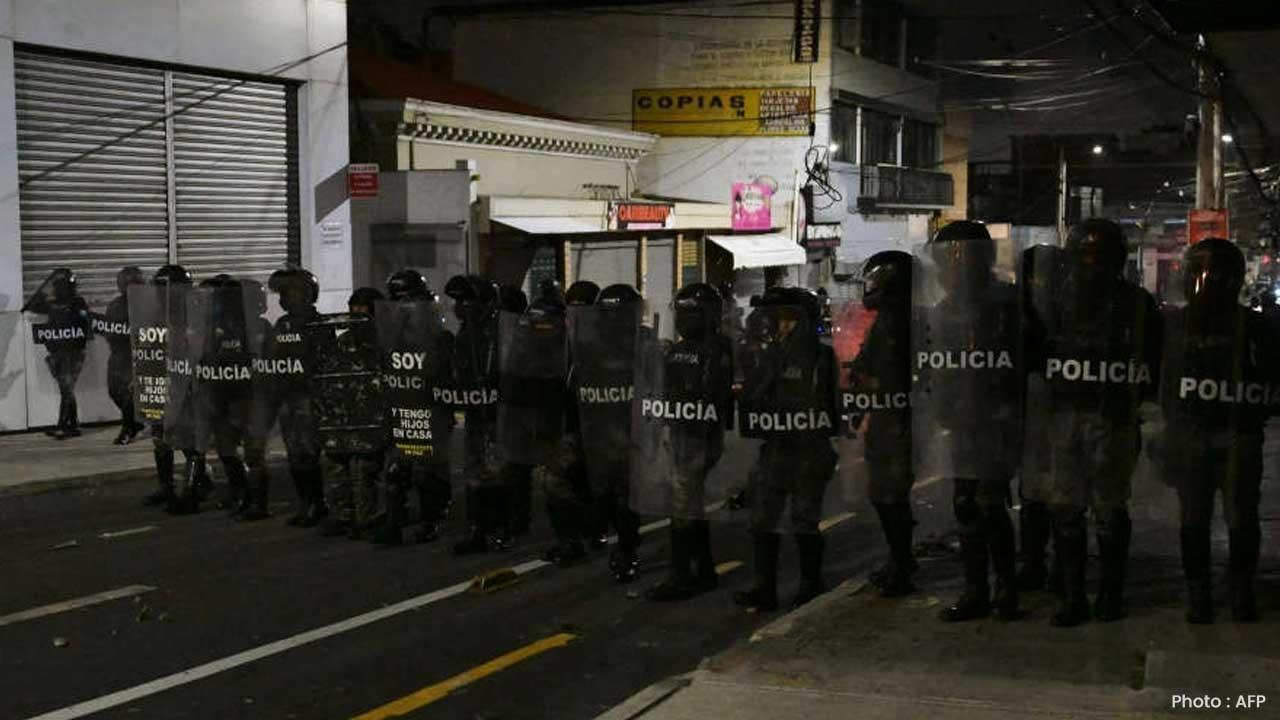
Local leaders reported a tragic death attributed to clashes with security forces and noted another protester was killed during last month's demonstrations. Further, indigenous groups reported at least 50 injuries, while the government acknowledged that 13 military personnel sustained injuries amid the conflicts.
In Guayaquil, President Noboa cautioned that criminal organizations are seeking to destabilize his administration and hinder progress toward addressing the needs of Ecuadorian citizens. It's worth mentioning that his convoy was targeted in a rural area last week when rocks were hurled at his vehicle.
These recent bridge attacks, coupled with ongoing strife involving indigenous communities, highlight the complex situation Ecuador faces as it juggles issues of security, economic interests, and societal needs while confronting organized crime.










PM Modi Pays Tribute to Mahatma Gandhi, Urges People to Support Khadi
PM Modi pays tribute to Mahatma Gandhi on Gandhi Jayanti and urges citizens to support Khadi and the

Amazon Seeks to Offload $8 Billion in Nvidia Chips to Investors
Amazon plans to move $8 billion in Nvidia chips to investors, using a new financing model to strengt

Samsung Raises Galaxy S26 Prices as Memory Chip Costs Rise
Samsung raises Galaxy S26 prices in South Korea as rising memory chip costs put pressure on smartpho

Lewis Hamilton Calls Singapore Grand Prix One of F1's Toughest Races
Lewis Hamilton discusses the demanding Singapore Grand Prix and brings Plus44 and Almave to Singapor

Denmark's Pandora Opens World's Largest Jewellery Factory in Vietnam
Pandora opens its largest jewellery factory in Vietnam, expanding global production, strengthening s

Gautam Gambhir Questions Batting-Friendly Pitches After India's Record ODI Chase
Gautam Gambhir questions batting-friendly ODI pitches after India’s record chase, calling for a bett

