
You have not yet added any article to your bookmarks!
Join 10k+ people to get notified about new posts, news and tips.
Do not worry we don't spam!
Post by : Samjeet Ariff
Experiencing Sudden Hair Loss? 7 Daily Habits That May Be Hurting Your Hair
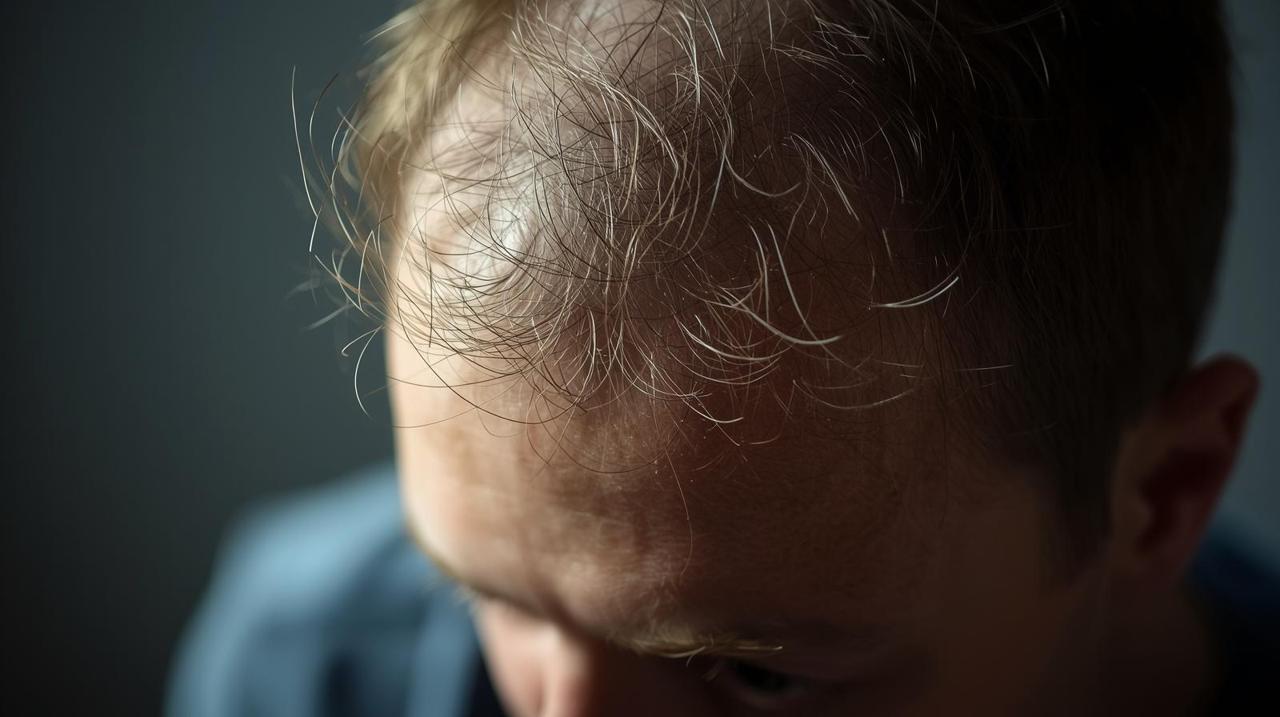
Sudden hair loss can be alarming, particularly when the cause isn’t clear. While many attribute this issue to genetics or stress, it’s often hidden habits that silently compromise hair health. The good news is that by identifying these unintentional habits, you can reverse damage and restore your hair’s vitality.
Here are 7 daily habits that may be contributing to hair loss and tips on how to address them.
A common misconception is that daily washing keeps your scalp clean. However, over-washing depletes natural oils, making the scalp dry and weakening hair.
This can lead to:
Increased breakage
Frizz
Weakened scalp barrier
Solution: Limit washes to 2–3 times per week and opt for sulfate-free shampoo.
While high ponytails, tight braids, and sleek buns can look stylish, they tug at hair follicles, potentially leading to traction alopecia over time.
Signs may include:
Thinning around the hairline
Sore scalp
Breakage at the roots
Solution: Embrace looser styles and minimize pulling.
Heat tools like straighteners and curling irons can severely damage hair cuticles if not used with heat protectants.
The aftermath often includes:
Split ends
Dry hair
Increased breakage rate
Solution: Always apply heat-protection spray and decrease the frequency of heat styling.
Wet hair is delicate and easily damaged. A wrong brushing technique can cause breakage.
Common errors include:
Brushing from the roots
Using an inappropriate brush
Hastily tackling tangles
Solution: Start detangling from the ends with a wide-tooth comb after gently towel drying.
Many people prioritize hair strands but forget that a healthy scalp is crucial. A dirty or flaky scalp may lead to:
Weak hair roots
Excessive hair shedding
Slowing hair growth
Solution: Incorporate mild exfoliating scalp scrubs or clarifying shampoos every other week.
Hair consists of protein, and lacking proper nutrients can weaken it. Deficiencies in iron, Vitamin D, zinc, and protein often contribute to sudden hair loss.
Solution: Include eggs, nuts, fish, leafy greens, fruits, and maintain hydration of 2–3 liters daily.
Stress can push hair into a “shedding phase” without you realizing it. Even if you seem calm, your body may exhibit symptoms like:
Poor sleep quality
Low energy levels
Increased irritability
Solution: Practicing deep breathing, enjoying regular walks, journaling, and ensuring 7–8 hours of sleep can help.
Most triggers of hair loss can be easily addressed. By correcting these 7 habits, you may soon notice:
Reduced shedding
Stronger strands
Healthier scalp
Increased hair volume
Be patient, as consistency is vital; your hair will take time to regain its strength, but the results are undoubtedly worth it.
This article is purely informational and does not substitute for medical advice. Sudden or severe hair loss might indicate underlying health concerns such as hormonal imbalances, thyroid issues, or nutritional deficiencies. If hair thinning persists despite lifestyle alterations, please consult a dermatologist or healthcare expert for an accurate diagnosis and guidance.









Hyundai raises profit target, expands hybrid lineup in the US
Hyundai hybrid cars get a major boost as the automaker raises its profit margin target and plans new

Josh Kerr and Jakob Ingebrigtsen Set for 1,500m Rivalry Rematch
Josh Kerr and Jakob Ingebrigtsen will renew their 1,500m rivalry at the Ultimate Championship in Bud

PSG Coach Luis Enrique Urges Players to Step Outside Comfort Zone
PSG coach Luis Enrique says players must leave their comfort zone and keep improving as the club tar

China’s Tiangong Sets New 400m Record at Robot Olympics
China’s Tiangong robot sets a new 400m record at the Robot Olympics, beating a South African robot i

George Russell Wins Dutch GP Sprint, Boosts Mercedes Morale
George Russell wins the Dutch GP Sprint from pole as Mercedes teammate Kimi Antonelli extends his F1

Australia 50/3 After Bangladesh Bowled Out for 64 in Second Test
Australia reached 50/3 after Bangladesh were bowled out for 64 in the second Test, with Mitchell Sta

