
You have not yet added any article to your bookmarks!
Join 10k+ people to get notified about new posts, news and tips.
Do not worry we don't spam!
Post by : Anis Farhan
For decades, people trusted everyday products without a second thought. A cough syrup meant relief. An antibiotic meant cure. Clean water meant safety. Fresh air meant life. But slowly, silently, these assumptions have begun to crack.
Across continents, reports now show growing resistance to antibiotics, cases of contaminated medicines, cancer-linked air, and food carrying chemicals once never meant for human systems. What once protected us is now quietly threatening us.
These dangers don’t arrive with alarms. They enter daily life without visible warning. A child’s medicine bottle. A city commute. A vegetable plate. A packet of processed food. Each looks familiar — but underneath sits invisible risk.
This is not about panic. It is about awareness.
Because the most dangerous threats today are not dramatic. They are routine.
Antibiotics changed history. Before them, small infections killed. A cut could be fatal. Pneumonia was a death sentence.
Then antibiotics arrived — and death retreated.
But success created carelessness.
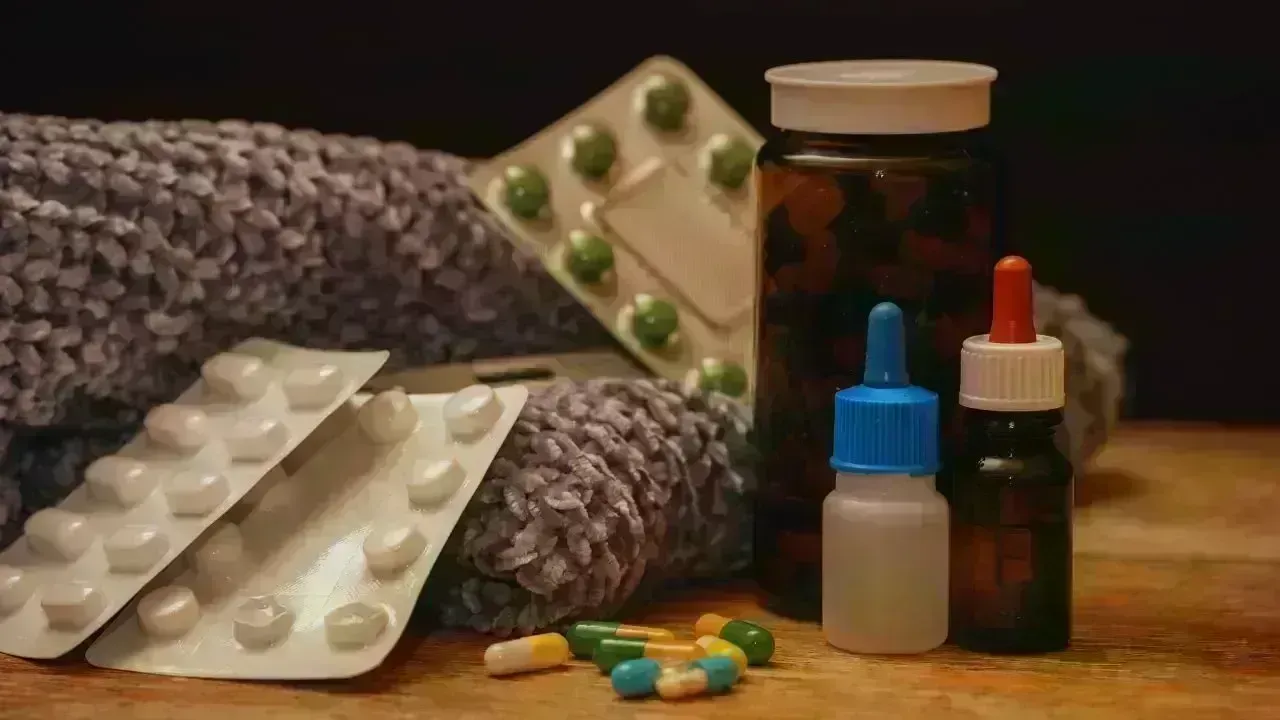
These life-saving drugs began getting used like simple painkillers — taken without prescription, stopped halfway, swallowed for viral infections where they don’t work, fed into animals to make meat grow faster.
Little by little, bacteria adapted.
Today, the world faces a health threat no one can see but everyone will face — antibiotic resistance.
This means infections no longer respond to normal medicines. Strong drugs fail. Recovery slows. Death risks rise.
Hospitals now see cases where:
Simple wounds refuse to heal
Normal fevers turn fatal
Minor surgeries become dangerous
Infections return repeatedly
The rise of resistance is no accident.
It is the result of overuse, misuse, and misunderstanding.
India uses more antibiotics than any country in the world.
Many medicine stores sell antibiotics without requiring prescriptions. Online consultation culture encourages quick antibiotic use instead of tests. Livestock farming often feeds animals antibiotic-laced food.
But bacteria do not care about convenience.
They mutate fast.
And India, with dense cities and rising disease burden, has become an epicenter of drug-resistant infections.
Hospitals now depend on last-grade antibiotics — medicines so strong that they were once reserved only for dying patients.
When those fail, there is nowhere left to escalate.
But instead, it brought tragedy.
Several countries recently reported child deaths linked to contaminated cough syrups.
What killed the children?
Industrial chemicals never meant for human consumption.
These substances — used in machinery and manufacturing — entered medicine through failed quality control and cost-cutting shortcuts.
In medicine manufacturing:
Substitutes were used in liquid medicines
Chemical testing was skipped
Suppliers were not verified
Oversight was ignored
Children swallowed poison — unknowingly.
Parents trusted labels.
Factories betrayed that trust.
The pharmaceutical supply chain is massive.
Multiple middlemen.
Global sourcing.
Cross-border materials.
Private testing labs.
Where systems weaken, safety leaks in.
In many developing nations:
Testing capacity is limited
Regulation enforcement is delayed
Whistleblowers fear retaliation
Profit pressures override caution
This is not a “bad factory” problem.
It is a broken safety ecosystem problem.
Drug safety is only as strong as enforcement.
And enforcement costs money, manpower, and political will.
Systems collapse when:
Inspections are rare
Licenses aren’t revoked
Punishments are soft
Testing is optional
Companies self-certify
Trust collapses when government oversight disappears.
Children’s bodies are not small adults.
They:
Absorb chemicals faster
Break toxins slowly
Have weaker detox pathways
Develop faster — and damage disrupts development
A chemical amount safe for adults can kill an infant.
That is why contaminated syrup tragedies shook parents globally.
Because childhood is supposed to be safe.
If toxic medicine is visible, air pollution is invisible.
Yet it kills more people every year than war, natural disasters, and accidents combined.
Cities across Asia, Africa, and parts of Europe now regularly report air quality levels unsafe for human lungs.
Particles so small they pass through lungs into bloodstreams.
Pollution doesn’t knock.
It enters quietly.
Bad air does not stay in your lungs.
It:
Enters bloodstream
Affects heart rhythm
Raises blood pressure
Weakens immune system
Increases cancer risk
Triggers asthma in children
Accelerates aging
Air pollution isn’t causing irritation.
It is shortening lives.
Indian cities rank among the world’s most polluted.
The causes:
Traffic exhaust
Coal power plants
Waste burning
Construction dust
Industrial emissions
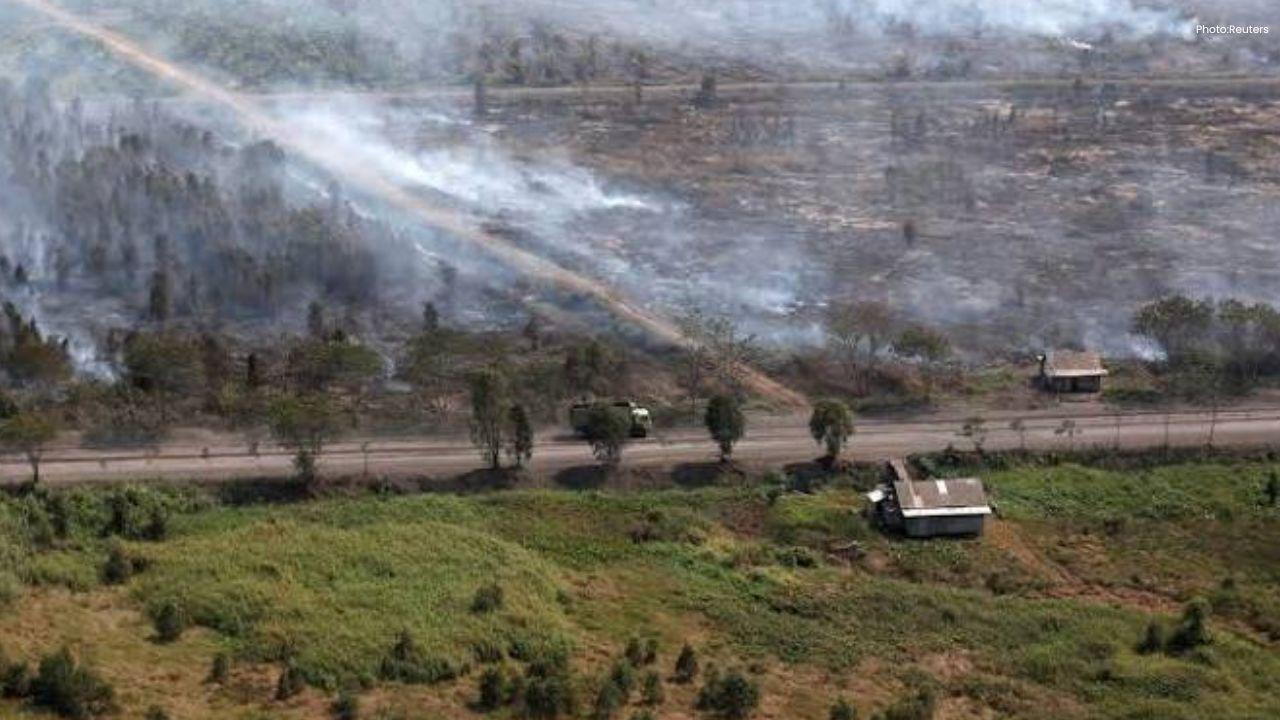
Crop stubble fires
But the victims are widespread.
Children developing asthma at age four.
Adults suffering heart attacks at thirty-five.
Elders battling lung disease without smoking a cigarette ever.
Vegetables sprayed.
Fruits waxed.
Fish contaminated.
Milk adulterated.
Food, too, is becoming a risk carrier.
Chemicals meant to grow crops faster now contaminate the dinner plate.
Washing is no longer protection.
Cooking cannot neutralize all toxins.
Because pesticides enter tissues — not skin.
Modern supply chains cross countries.
Ingredients from one nation get processed in another and sold globally.
When rules differ:
Safety weakens
Accountability disappears
Documentation gets blurred
Quality slips through cracks
No authority controls the entire chain.
Everyone controls a fragment.
And fragments fail collectively.
Health oversight bodies exist.
Governments inspect factories.
Labs test samples.
But limited staff and overwhelming volume make enforcement selective.
Automation is scarce.
Funding is often low.
Penalties minimal.
Regulation often responds to tragedy instead of preventing it.
Never self-prescribe.
Never stop antibiotics early.
Never reuse leftover prescriptions.
Never pressure doctors for quick pills.
Improper storage destroys medicine quality.
Heat can damage syrups.
Moisture can spoil tablets.
Do not accept antibiotics over the counter.
Responsible pharmacists matter.
Air purifiers where possible.
Open windows at safe hours.
Dust daily, especially if you live near traffic.
Say no to burning waste.
Plastic smoke poisons lungs for decades.
Boiling reduces microbes.
Filters reduce heavy metals.
Bad water equals slow poisoning.
Fewer processed foods.
More natural grains.
Better food sourcing.
Children breathe faster.
They eat smaller portions with greater toxin impact.
Their protection matters most.
Science does not fail.
Systems do.
Markets fail.
Oversight fails.
Discipline fails.
Education fails.
And families pay the price invisibly.
Health safety today is no longer guaranteed by labels.
It is earned by vigilance.
People now:
Fear medicines
Distrust labels
Question food quality
Worry about air
This fear damages mental health too.
You begin questioning what once protected you.
The damage is not just physical.
It is emotional.
Healthcare systems cannot remain reactive.
They must:
Expand drug testing
Upgrade labs
Increase surprise inspections
Enforce price control
Ban hazardous chemicals
Penalize defaulters heavily
Public health must come before private profit.
There is no compromise here.
Ethics must not be optional.
Encouraging speed over safety invites disaster.
Profits earned through compromised health are not revenue.
They are blood money.
Consumers must not accept:
Fake labels
Cheap shortcuts
Unknown brands
Illegal imports
When buyers demand safety, suppliers adapt.
There are no explosions.
No warnings.
No evacuations.
Just slow damage.
Daily.
Silent.
Accumulated.
We now live in a world where:
Medicine can kill
Food can poison
Air can restrict life
Trust needs proof
This is not a dystopia.
It’s reality.
But it can change.
If families stay alert.
If governments stay accountable.
If corporations stay ethical.
The future of health does not depend on test tubes.
It depends on responsibility.
Disclaimer:
This article is for general awareness and informational purposes only. It does not replace medical advice, diagnosis, or treatment. Readers should consult qualified healthcare professionals before making health-related decisions.








Josh Kerr and Jakob Ingebrigtsen Set for 1,500m Rivalry Rematch
Josh Kerr and Jakob Ingebrigtsen will renew their 1,500m rivalry at the Ultimate Championship in Bud

PSG Coach Luis Enrique Urges Players to Step Outside Comfort Zone
PSG coach Luis Enrique says players must leave their comfort zone and keep improving as the club tar

China’s Tiangong Sets New 400m Record at Robot Olympics
China’s Tiangong robot sets a new 400m record at the Robot Olympics, beating a South African robot i

George Russell Wins Dutch GP Sprint, Boosts Mercedes Morale
George Russell wins the Dutch GP Sprint from pole as Mercedes teammate Kimi Antonelli extends his F1

Australia 50/3 After Bangladesh Bowled Out for 64 in Second Test
Australia reached 50/3 after Bangladesh were bowled out for 64 in the second Test, with Mitchell Sta

Jordan Burroughs Returns to Wrestling with 2028 Olympic Dream
Jordan Burroughs returns to wrestling with Real American Freestyle as the Olympic champion eyes a po

