You have not yet added any article to your bookmarks!
Join 10k+ people to get notified about new posts, news and tips.
Do not worry we don't spam!
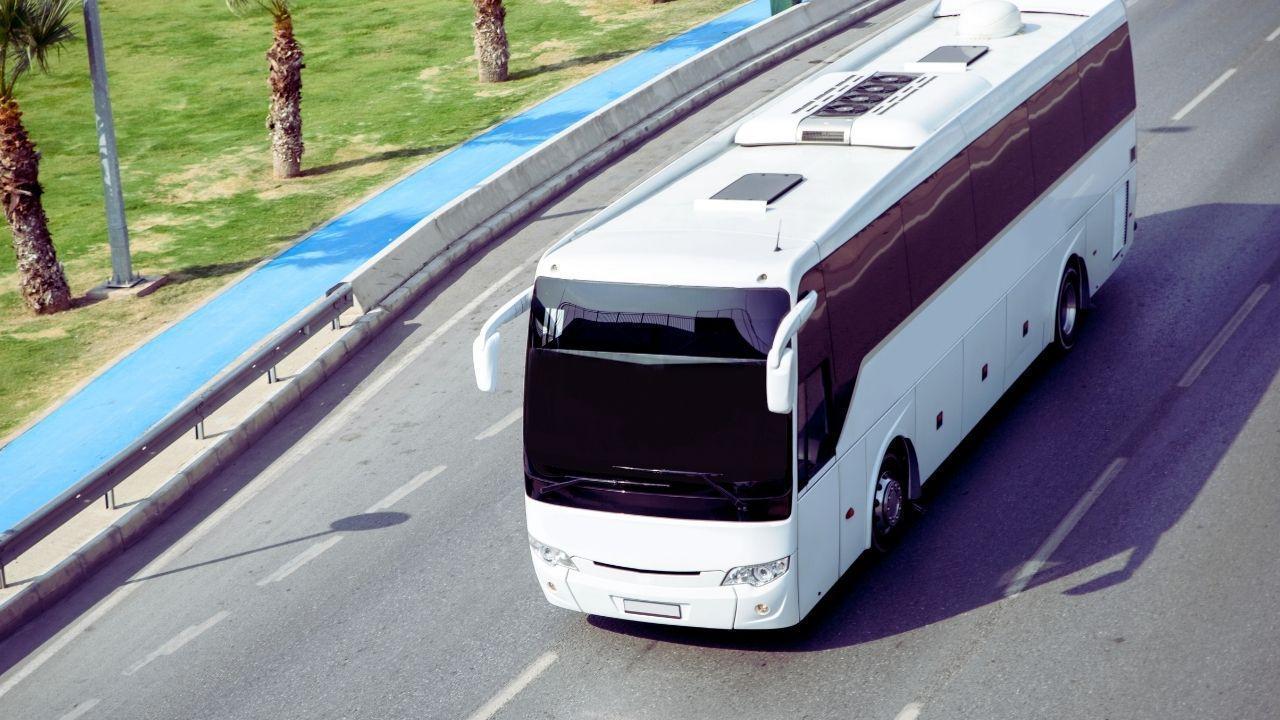
Post by : Anis Farhan
Across Europe, the concept of public transportation is undergoing a remarkable transformation. With urban populations expanding and sustainability becoming a pressing priority, cities are turning toward innovative solutions that balance efficiency, safety, and environmental responsibility. Among the most promising developments is the integration of self-driving buses into daily life. Once dismissed as a science fiction concept, autonomous buses are now becoming a reality on European streets.
From pilot projects in smaller towns to large-scale rollouts in capital cities, these driverless vehicles are being tested, refined, and prepared for widespread adoption. Europe, with its advanced regulatory systems, strong commitment to sustainability, and highly developed transport networks, is emerging as a leader in this transport revolution.
The journey toward self-driving buses did not happen overnight. For over a decade, European tech companies, universities, and transport authorities have been experimenting with automation. The introduction of autonomous shuttles in places like Helsinki, Paris, and Berlin has shown that the technology is not only feasible but also beneficial.
These early trials revealed how automation can enhance existing transport systems. By running on pre-mapped routes and using advanced sensors, buses could operate efficiently in busy urban environments. Unlike personal self-driving cars, autonomous buses serve the collective, reducing congestion and ensuring broader accessibility.
Self-driving buses rely on a combination of advanced technologies to function safely. Sensors, including LiDAR, radar, and cameras, continuously scan the surroundings to detect pedestrians, cyclists, and other vehicles. Artificial intelligence processes this data in real-time, enabling the bus to make decisions about speed, lane changes, and braking.
GPS systems combined with detailed maps ensure accurate navigation, while vehicle-to-infrastructure communication allows buses to interact with traffic lights, road signals, and control centers. This integration makes autonomous buses more than just vehicles—they are part of a connected, intelligent transport ecosystem.
One of the key advantages of autonomous technology is consistency. Unlike human drivers, self-driving systems do not get tired, distracted, or make emotional decisions. This consistency contributes to safety and reliability, making them an attractive solution for large-scale adoption.
Several European cities are already showcasing the potential of autonomous buses. In Finland, Helsinki has been conducting trials with autonomous shuttles that ferry passengers along short urban routes. Paris has introduced driverless buses along specific lanes to test how automation integrates with conventional traffic. Meanwhile, Germany’s strong engineering sector has enabled pilot projects in Berlin and Hamburg, where passengers have experienced first-hand the future of public mobility.
Scandinavian nations, with their focus on sustainability, are investing heavily in these projects. Sweden, for example, has rolled out autonomous buses powered by renewable energy sources, combining green transport with cutting-edge technology. The UK is also catching up, with trials in cities like London and Oxford aimed at gathering data on passenger experiences and safety standards.
The introduction of autonomous buses brings several advantages that make them appealing to European governments and citizens alike.
Safety:
Human error is responsible for the majority of road accidents. Autonomous buses reduce this risk by relying on AI and sensors that react faster than human drivers.
Efficiency:
Self-driving buses can optimize routes, adjust speeds, and avoid traffic bottlenecks more effectively than conventional vehicles.
Accessibility:
Autonomous buses open up new possibilities for underserved areas, particularly late-night services or routes with fewer passengers where driver costs may be prohibitive.
Environmental Impact:
Many of these buses are electric, aligning with Europe’s climate goals and helping to cut urban emissions.
Cost-Effectiveness:
Although initial investments are high, long-term savings on fuel, labor, and maintenance could make them cheaper than conventional buses.
Despite the promise, the journey to fully autonomous public transport is not without obstacles. Safety remains the most critical concern—ensuring that buses can handle unpredictable situations, such as jaywalking pedestrians or unusual weather conditions, is a complex task.
Infrastructure also needs significant upgrades. Roads must be equipped with smart signals, dedicated lanes, and digital monitoring systems to fully support driverless vehicles. Additionally, regulatory frameworks vary across Europe, making it difficult to implement a uniform system. Public acceptance is another challenge—many passengers remain hesitant about trusting machines over human drivers.
Finally, the question of employment looms large. Bus drivers form an essential part of Europe’s workforce, and widespread automation could disrupt livelihoods. Policymakers will need to balance innovation with strategies for reskilling and employment transition.
Autonomous buses align strongly with Europe’s commitment to sustainability. Most fleets being tested are electric, reducing carbon footprints and contributing to cleaner air. By improving route efficiency, these buses can also reduce congestion and cut down on wasted fuel.
Socially, self-driving buses offer inclusivity. For elderly passengers or those with disabilities, the consistent service of autonomous buses can enhance mobility and independence. With voice-assist features and AI-driven support systems, these buses could become more accessible than traditional ones.
For self-driving buses to succeed, they must earn the trust of the people who use them. Passenger experiences during trial runs have shown mixed reactions—some find the rides smooth and futuristic, while others express anxiety about the lack of a driver.
Transport authorities are addressing this by including attendants or remote supervisors in trial buses, bridging the gap between human reassurance and technological innovation. Over time, as people grow accustomed to the reliability of autonomous systems, acceptance is likely to increase.
Looking ahead, Europe’s transport landscape is poised for significant change. By 2030, it is possible that self-driving buses will become a common feature in many cities, particularly in urban centers where traffic congestion and emissions are major concerns. Integration with smart city initiatives, renewable energy grids, and AI-powered infrastructure will create a seamless ecosystem.
As technology matures, autonomous buses may even expand beyond cities, connecting suburban and rural areas with efficient, low-cost transport options. Combined with Europe’s strong commitment to sustainability, the shift toward autonomous buses could serve as a global model for green, intelligent mobility.
This article is intended for informational purposes only. It highlights current trends and future possibilities in European public transport but does not serve as official policy or investment advice. Readers are encouraged to follow official government announcements and transport authorities for the latest updates.







Jordan Burroughs Returns to Wrestling with 2028 Olympic Dream
Jordan Burroughs returns to wrestling with Real American Freestyle as the Olympic champion eyes a po

Lamborghini Catches Fire on Singapore's ECP, Causing Heavy Traffic
A Lamborghini caught fire on Singapore's ECP, causing heavy traffic and bus delays. No injuries were

Bangkok Airport Duty-Free Area Flooded by Pipe Burst
A burst water pipe flooded the duty-free shopping area at Bangkok's Suvarnabhumi Airport on July 16,

Nine Monks Killed in Thailand Pickup Truck Tragedy
An 11-year-old boy driving a pickup truck crashed into monks during a pilgrimage in northeastern Tha

Anwar Congratulates Xi on CPC's 105th Anniversary
Malaysia reaffirms strong ties with China as PM Anwar Ibrahim sends a congratulatory letter to Presi

Thai Agriculture Team Reviews 2026 Farm Development Plans
Agriculture Ministry officials inspected livestock and organic rice projects in Nakhon Sawan to moni