You have not yet added any article to your bookmarks!
Join 10k+ people to get notified about new posts, news and tips.
Do not worry we don't spam!

Post by : Anis Farhan
Education in Asia has long been a cornerstone of cultural and social development. Rooted in philosophies such as Confucian values in China, Buddhist learning traditions in Southeast Asia, and a deep reverence for scholars across India and the Middle East, the system has always emphasized discipline, respect, and intellectual pursuit. Today, however, these time-honored practices face unprecedented challenges from global influences, digital technologies, and the evolving demands of the workforce. Balancing respect for tradition with the need for modernization has become one of the most pressing concerns for educators, policymakers, and parents alike.
Asian education systems have historically prioritized memorization, rigorous examinations, and hierarchical classroom structures. These approaches were not only academic methods but also reflections of societal structures, emphasizing respect for elders, obedience, and diligence. For generations, they produced disciplined individuals with strong foundations in literacy, mathematics, and cultural knowledge.
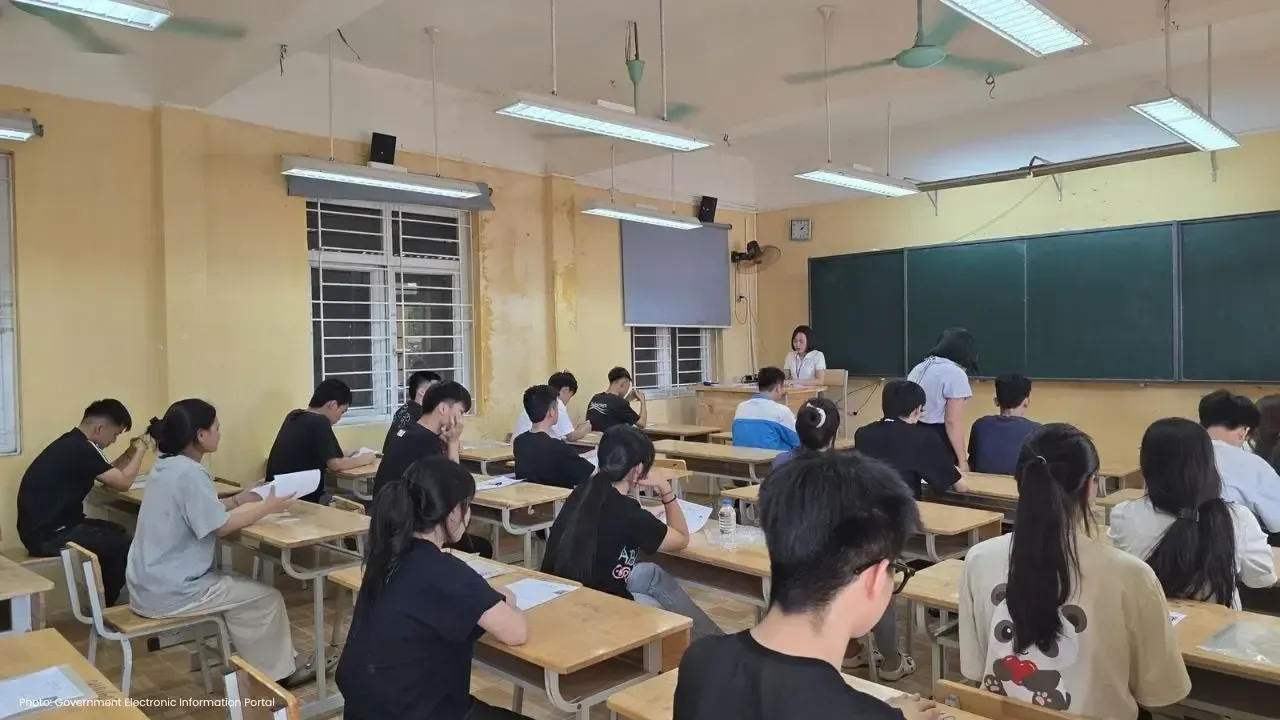
This legacy still carries weight. Parents across Asia often push their children to excel academically, viewing education as the primary pathway to social mobility. Competitive entrance exams, from India’s IIT-JEE to China’s Gaokao, remain gateways to prestigious universities and careers. Yet, the emphasis on rote learning has also drawn criticism, particularly as the modern economy values creativity, problem-solving, and adaptability—skills that traditional systems sometimes struggle to cultivate.
Globalization has accelerated the shift in how Asian education is perceived and delivered. Exposure to Western educational models, student exchanges, and international rankings has brought new expectations. Parents and students are now more aware of holistic education, where extracurricular activities, critical thinking, and innovation matter as much as grades.
International schools are booming across Asia, catering to families who want their children to experience global curricula such as the International Baccalaureate or Cambridge programs. Similarly, governments are introducing reforms to make their systems more flexible, skill-based, and in line with international standards. The challenge, however, is to strike a balance between adopting global practices and maintaining the cultural identity embedded in traditional systems.
One of the most dramatic changes in Asian education is the rise of technology. Online platforms, digital classrooms, and artificial intelligence tools are reshaping the way students learn. The COVID-19 pandemic accelerated this trend, pushing millions of students into virtual learning environments almost overnight.
In countries like Singapore, South Korea, and China, governments invested heavily in digital infrastructure, ensuring students could adapt quickly. Meanwhile, in rural parts of India, Indonesia, and the Philippines, connectivity issues created stark inequalities. Technology has also raised questions about accessibility, with concerns that disadvantaged students may fall further behind.
At the same time, technology offers opportunities for personalized learning. Students can now learn at their own pace, access global knowledge, and build digital literacy skills critical for modern jobs. However, the dependence on digital platforms risks diminishing traditional teacher-student interactions and community-based learning experiences that have been the hallmark of Asian education for centuries.
Asia’s rapid economic growth has transformed job markets, pushing education systems to adapt. Today’s employers prioritize creativity, communication skills, and the ability to work in multicultural environments. Traditional methods of drilling and standardized testing may no longer be sufficient to prepare students for these realities.
Countries like Japan and South Korea have recognized the dangers of overemphasis on exams, where students face intense pressure and high stress levels. Efforts are underway to introduce project-based learning, reduce homework loads, and encourage students to pursue their passions. In India, the new National Education Policy emphasizes vocational training, flexibility in subjects, and multidisciplinary approaches to better align with future job needs.
Balancing these modern demands with traditional expectations remains difficult. Parents and societies still equate academic excellence with success, often resisting reforms that shift focus away from exams and grades.
One of the most important aspects of Asian education is the preservation of cultural heritage. Many countries are concerned that rapid modernization and global influences could dilute their identity. Language, history, and philosophy remain integral parts of school curricula, ensuring students remain connected to their roots.
For instance, in China, students are required to study classical literature and moral teachings alongside modern sciences. In Japan, the values of harmony, respect, and collective responsibility are still emphasized in classrooms. Across Southeast Asia, local languages and cultural studies are promoted alongside international programs.
The challenge is ensuring these traditions remain relevant and engaging for younger generations, who are increasingly exposed to global media and cultures through digital platforms. Education systems must find creative ways to integrate traditional values with contemporary subjects, ensuring students embrace both heritage and progress.
Teachers remain the backbone of education in Asia, but their role is evolving rapidly. No longer limited to being authoritative figures delivering lectures, teachers are now expected to act as mentors, facilitators, and even innovators.
Professional development programs are being introduced across the region to help teachers integrate digital tools, encourage critical thinking, and promote inclusive classrooms. However, many educators face challenges, including large class sizes, lack of resources, and societal expectations to maintain traditional roles. Striking a balance between innovation and tradition is just as important for teachers as it is for students.
In Asia, education is not only about schools but also about family and societal expectations. Parents play a central role, often making sacrifices to secure better opportunities for their children. This strong involvement has been both a strength and a source of stress.
Parents push for high grades, tutoring, and prestigious institutions, creating immense pressure on children. Yet, many are also realizing the importance of nurturing creativity and well-being alongside academics. The shift in mindset among parents is crucial for reforms to succeed. Without societal acceptance, efforts by governments and educators may struggle to achieve their intended impact.
Looking ahead, education in Asia will likely continue its delicate balancing act between tradition and modernity. The future will demand systems that can produce individuals who are globally competitive while deeply rooted in their cultural identities.
Blended learning models, combining traditional classroom teaching with digital tools, may emerge as the norm. Curricula will evolve to include soft skills, global perspectives, and sustainability while maintaining cultural studies and moral teachings. Collaborative approaches between governments, educators, parents, and communities will be critical in shaping a resilient and adaptable education system.
Education in Asia is navigating one of the most transformative periods in its history. The tension between preserving tradition and embracing modernity is not a conflict to be solved but a balance to be maintained. By respecting cultural heritage while equipping students with modern skills, Asia has the potential to create education systems that are not only effective but also uniquely reflective of its values.
As societies evolve, the ability to strike this balance will determine whether Asia’s students emerge as leaders of innovation who remain connected to their roots. The path is complex, but it offers a unique opportunity for Asia to set a global example in education.
This article is an editorial analysis intended for informational purposes only. It explores the dynamics of education in Asia without representing any official educational body or government policy.








Lamborghini Catches Fire on Singapore's ECP, Causing Heavy Traffic
A Lamborghini caught fire on Singapore's ECP, causing heavy traffic and bus delays. No injuries were

Bangkok Airport Duty-Free Area Flooded by Pipe Burst
A burst water pipe flooded the duty-free shopping area at Bangkok's Suvarnabhumi Airport on July 16,

Nine Monks Killed in Thailand Pickup Truck Tragedy
An 11-year-old boy driving a pickup truck crashed into monks during a pilgrimage in northeastern Tha
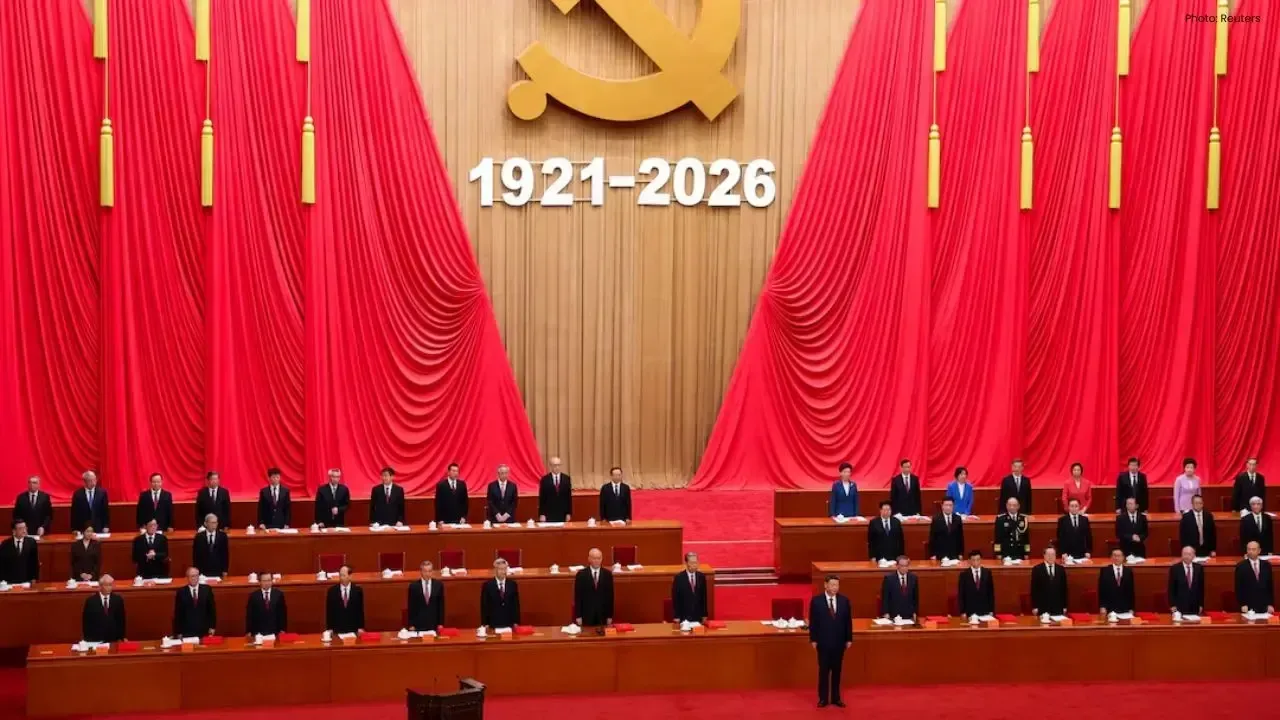
Anwar Congratulates Xi on CPC's 105th Anniversary
Malaysia reaffirms strong ties with China as PM Anwar Ibrahim sends a congratulatory letter to Presi
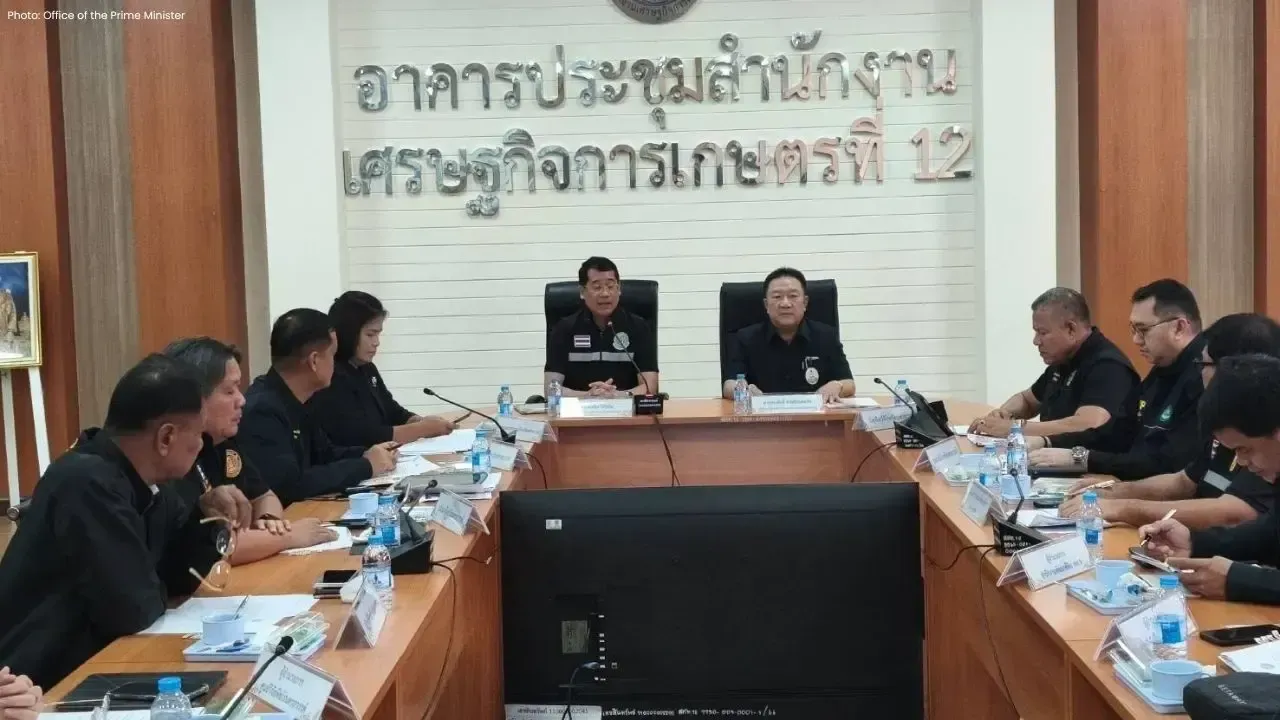
Thai Agriculture Team Reviews 2026 Farm Development Plans
Agriculture Ministry officials inspected livestock and organic rice projects in Nakhon Sawan to moni

Thailand, Canada Boost Ties in PM-Level Phone Talks
Thailand and Canada agreed to strengthen trade, security, OECD cooperation and ASEAN-Canada FTA talk