
You have not yet added any article to your bookmarks!
Join 10k+ people to get notified about new posts, news and tips.
Do not worry we don't spam!
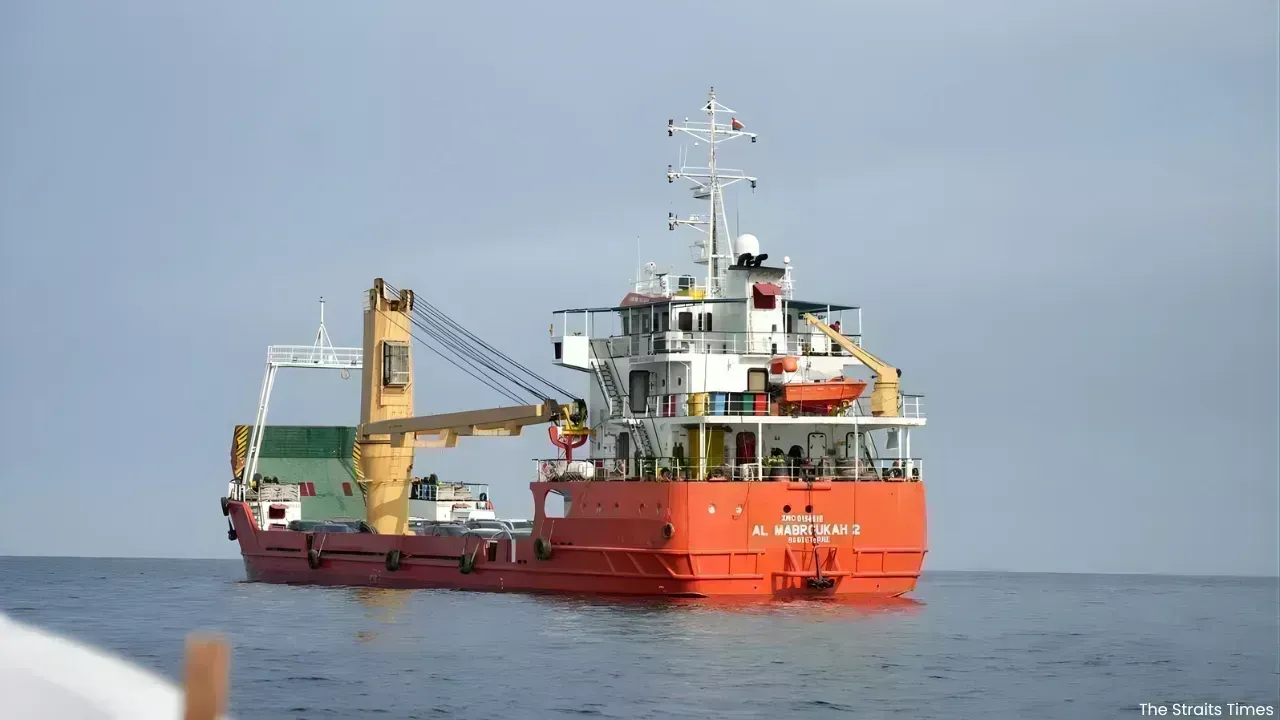
Post by : Abhinav Rana
The conflict between Iran and the United States has intensified as the US has launched a significant blockade of Iranian ports, leading to a swift response from global shipping and energy sectors. This strategic move is particularly alarming, given the existing pressures on international trade networks, marking a notable moment in the ongoing geopolitical tensions.
The blockade is interpreted as a deliberate effort to curtail Iran's oil trade, aiming to exert economic pressure without escalating to a broader conflict. By targeting vital ports and shipping corridors, the US aims to create disruptions in a framework critical to Iran's economic viability, underscoring a strategy where maritime control influences geopolitical power.
Yet, this bold approach carries substantial risks. The Strait of Hormuz is a critical maritime route, and any disturbance here could trigger severe consequences for global energy supplies, positioning the blockade as a matter of international significance rather than merely a regional dilemma.
In an unexpected development, global oil prices have softened despite the rising tensions, suggesting cautious optimism that diplomatic remedies may still take shape. Markets appear not to be anticipating a prolonged conflict, leaning instead towards potential negotiations that could ease the current strain.
The transportation industry has found some temporary relief, as lower fuel prices alleviate some operational pressures for airlines and shipping companies. However, this optimistic outlook is overshadowed by the ever-present threat of escalating tensions that could quickly overturn the current favorable conditions.
Maritime logistics are feeling the immediate impact, with shipping firms investigating alternate routes, which could lead to increased costs and transit times. The risk exposure is pushing insurance premiums for vessels in the area to new heights.
Beyond delays, the implications for global supply chains are significant. Various sectors, especially manufacturing and automotive, could experience disruptions that extend far beyond logistical challenges. Ports outside the conflict zone might also face congestion as traffic dynamics shift, complicating further logistics management.
The aviation sector is also facing challenges as airspace restrictions and security complications result in rerouted flights, increased fuel usage, and extended travel durations, adding layers of complexity to worldwide transportation networks.
This blockade encapsulates the larger geopolitical rivalry for influence and stability in the Middle East. While this hardline strategy is evident, the parallel softening of oil prices indicates that behind-the-scenes diplomatic channels remain active. This juxtaposition of military posturing and negotiation efforts contributes to an unpredictable environment for global economic players.
Additionally, this situation emphasizes the critical nature of maritime strategy in contemporary global politics. With international trade increasingly reliant on sea routes, dominance over these maritime pathways is now a central component of geopolitical relations. The US-Iran blockade is a chilling reminder of how swiftly geopolitical friction can escalate into economic and logistical complications.
As developments unfold, decisions made in the near future may have lasting effects on global trade and transport dynamics. Should diplomacy succeed, the blockade might represent a fleeting moment that underscores the significance of negotiation. Conversely, if tensions escalate, the industry could be preparing for an extended disruption characterized by fluctuating markets and transformed trade routes.
For stakeholders in transportation and logistics, the ability to adapt will be essential. Entities that can swiftly respond to evolving conditions, diversify their transport routes, and manage risks effectively will be well-positioned to navigate the challenges ahead. Ultimately, this scenario serves as a potent reminder that in an interconnected global framework, the flow of goods, energy, and people is intrinsically tied to the currents of geopolitical power.
#Israel Iran conflict #Iran Blockade #Global Shipping #Oil Market #Maritime Trade #Logistics Disruption










PM Modi Pays Tribute to Mahatma Gandhi, Urges People to Support Khadi
PM Modi pays tribute to Mahatma Gandhi on Gandhi Jayanti and urges citizens to support Khadi and the

Amazon Seeks to Offload $8 Billion in Nvidia Chips to Investors
Amazon plans to move $8 billion in Nvidia chips to investors, using a new financing model to strengt

Samsung Raises Galaxy S26 Prices as Memory Chip Costs Rise
Samsung raises Galaxy S26 prices in South Korea as rising memory chip costs put pressure on smartpho

Lewis Hamilton Calls Singapore Grand Prix One of F1's Toughest Races
Lewis Hamilton discusses the demanding Singapore Grand Prix and brings Plus44 and Almave to Singapor

Denmark's Pandora Opens World's Largest Jewellery Factory in Vietnam
Pandora opens its largest jewellery factory in Vietnam, expanding global production, strengthening s

Gautam Gambhir Questions Batting-Friendly Pitches After India's Record ODI Chase
Gautam Gambhir questions batting-friendly ODI pitches after India’s record chase, calling for a bett

