You have not yet added any article to your bookmarks!
Join 10k+ people to get notified about new posts, news and tips.
Do not worry we don't spam!
Post by : Maya Rahman
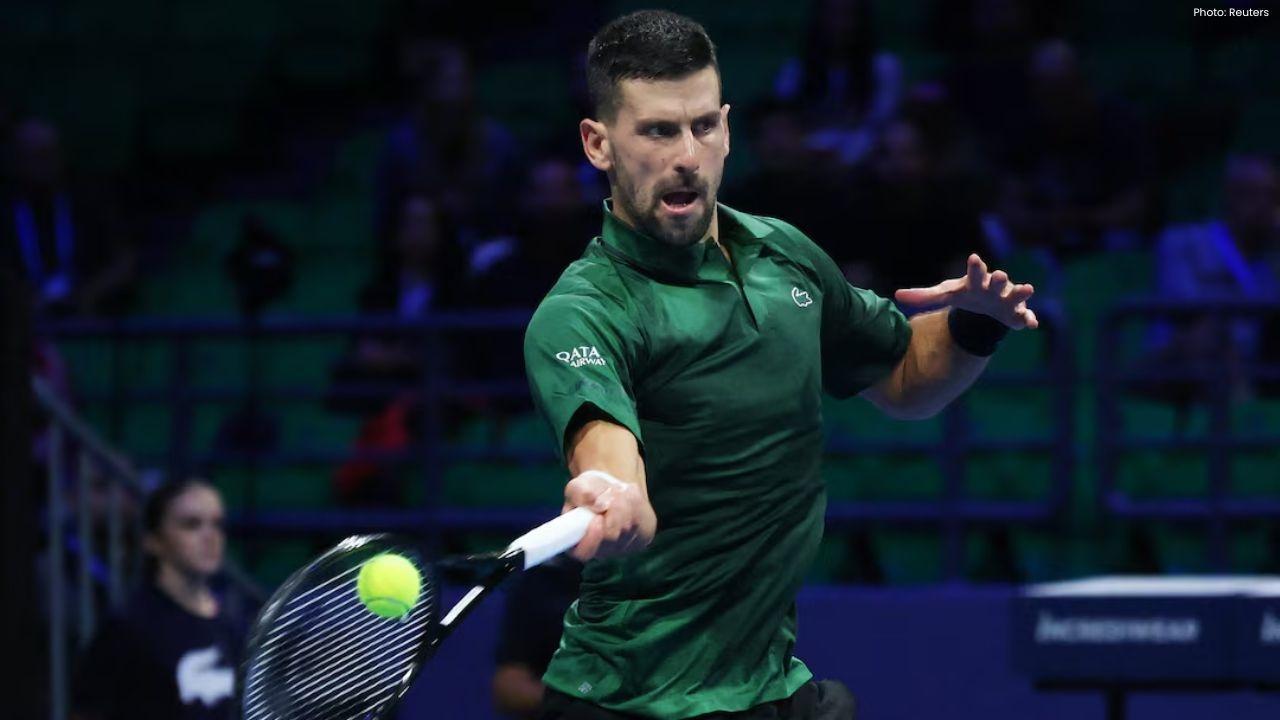
Novak Djokovic has candidly addressed Jannik Sinner’s recent doping situation, labeling the brevity and timing of the suspension as “quite strange.” The Serbian tennis player expressed that, while he doesn’t suspect Sinner of intentional doping, this incident will continue to shadow the Italian’s athletic journey.
Sinner received a three-month suspension this year after reaching an agreement with the World Anti-Doping Agency (WADA). The agency accepted that the anabolic substance clostebol inadvertently entered his body during massage treatments from his physiotherapist at the Indian Wells tournament in March 2024.
Djokovic clarified that he doesn't believe Sinner acted with malice. Nonetheless, he pointed out that such occurrences leave a lasting impression on a player’s reputation. He related the issue to his own experience in 2022 when he faced deportation from Australia for opting against the COVID-19 vaccine.
“He will carry that stigma, just as the COVID situation will be part of my career story,” Djokovic remarked in an interview with Piers Morgan. “It’s a significant event that may fade over time, but it won’t completely vanish.”
The 24-year-old Italian made his return to competition in May 2024, effectively not missing any Grand Slam events due to his suspension. Djokovic questioned the fairness and consistency regarding how anti-doping violations are treated.
He noted that lesser-known athletes often face much harsher penalties for similar inadvertent doping infractions. According to Djokovic, there’s a notion that more prominent players might receive lighter treatment.
Djokovic criticized the perceived “lack of transparency” surrounding Sinner’s case, asserting that the timing of the ban—positioned between critical tournaments—seemed dubious to many in the sport.
“There’s an evident lack of clarity, inconsistency, and selective convenience in the way the ban was administered,” Djokovic pointed out. “It fell between the Slams, allowing him to avoid missing any of them. It’s very peculiar.”
He also shared that several players, both male and female, have voiced their frustrations regarding this matter. “Many have similar experiences and feel their cases weren't managed in the same manner. Some even labeled it preferential treatment,” he remarked.
Despite the surrounding controversy, the International Tennis Integrity Agency (ITIA) has defended its choice. It claimed that all doping cases are processed fairly, grounded solely in evidence without bias influenced by a player’s status, nationality, or reputation.
Moreover, the ITIA emphasized that Sinner’s suspension complied with WADA’s anti-doping regulations, proving that the substance was truly introduced into his system unintentionally.
Djokovic took this opportunity to highlight broader concerns within professional tennis regarding fairness and consistency in the treatment of players. He asserted that while Sinner’s situation may have been accidental, the response from tennis authorities should ensure equal treatment for each athlete, irrespective of their fame.
He also acknowledged how these controversies can significantly impact a player’s public image and mental well-being. “Even if Sinner had no intention to do this, the public will frequently bring it up,” Djokovic cautioned. “Some will keep revisiting it over and over.”
Since his return to the circuit in May, Sinner has regained his competitive form, bagging various ATP Tour titles and excelling in significant tournaments. His strong resurgence has begun to restore his image in the eyes of fans and analysts, although the doping narrative remains a topic of discussion concerning his career.
Djokovic commended Sinner for his perseverance, stating, “He’s a phenomenal player with immense potential. What transpired was unfortunate, but he has managed it admirably and demonstrated remarkable strength.”
This incident has sparked renewed debates around doping regulations in tennis. Some experts argue for more precise guidelines on unintentional contamination, while others contend that athletes must assume complete responsibility for what enters their system.
Djokovic expressed his hope that this case inspires the sport to embrace more transparent procedures. “Tennis must ensure that every player, irrespective of their stature, is treated fairly,” he suggested. “That’s the only way to maintain trust in the system.”







Lamborghini Catches Fire on Singapore's ECP, Causing Heavy Traffic
A Lamborghini caught fire on Singapore's ECP, causing heavy traffic and bus delays. No injuries were

Bangkok Airport Duty-Free Area Flooded by Pipe Burst
A burst water pipe flooded the duty-free shopping area at Bangkok's Suvarnabhumi Airport on July 16,

Nine Monks Killed in Thailand Pickup Truck Tragedy
An 11-year-old boy driving a pickup truck crashed into monks during a pilgrimage in northeastern Tha
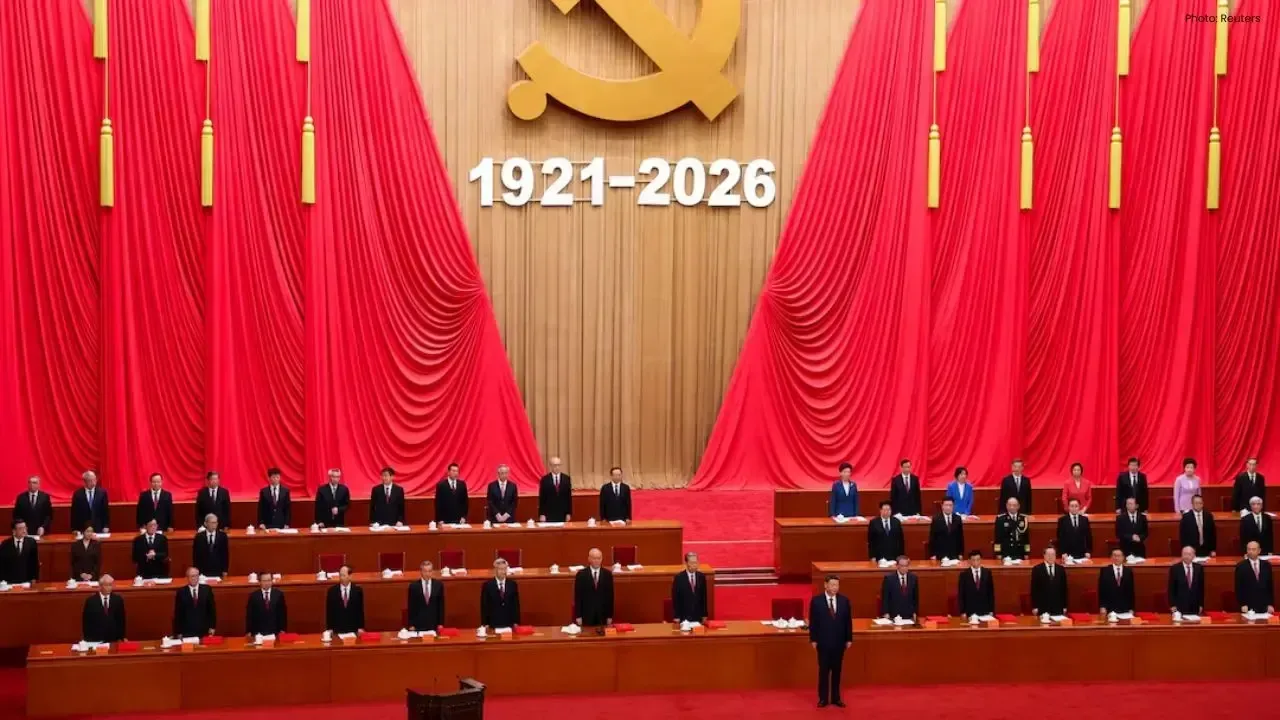
Anwar Congratulates Xi on CPC's 105th Anniversary
Malaysia reaffirms strong ties with China as PM Anwar Ibrahim sends a congratulatory letter to Presi
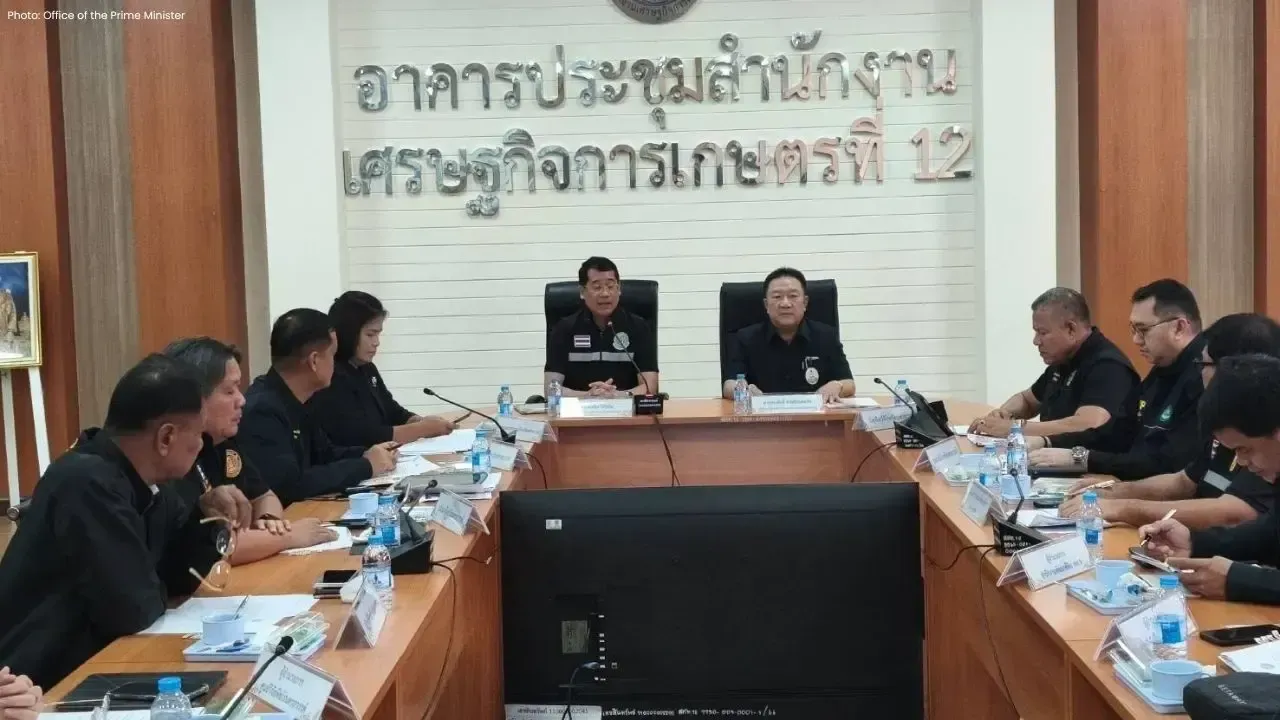
Thai Agriculture Team Reviews 2026 Farm Development Plans
Agriculture Ministry officials inspected livestock and organic rice projects in Nakhon Sawan to moni
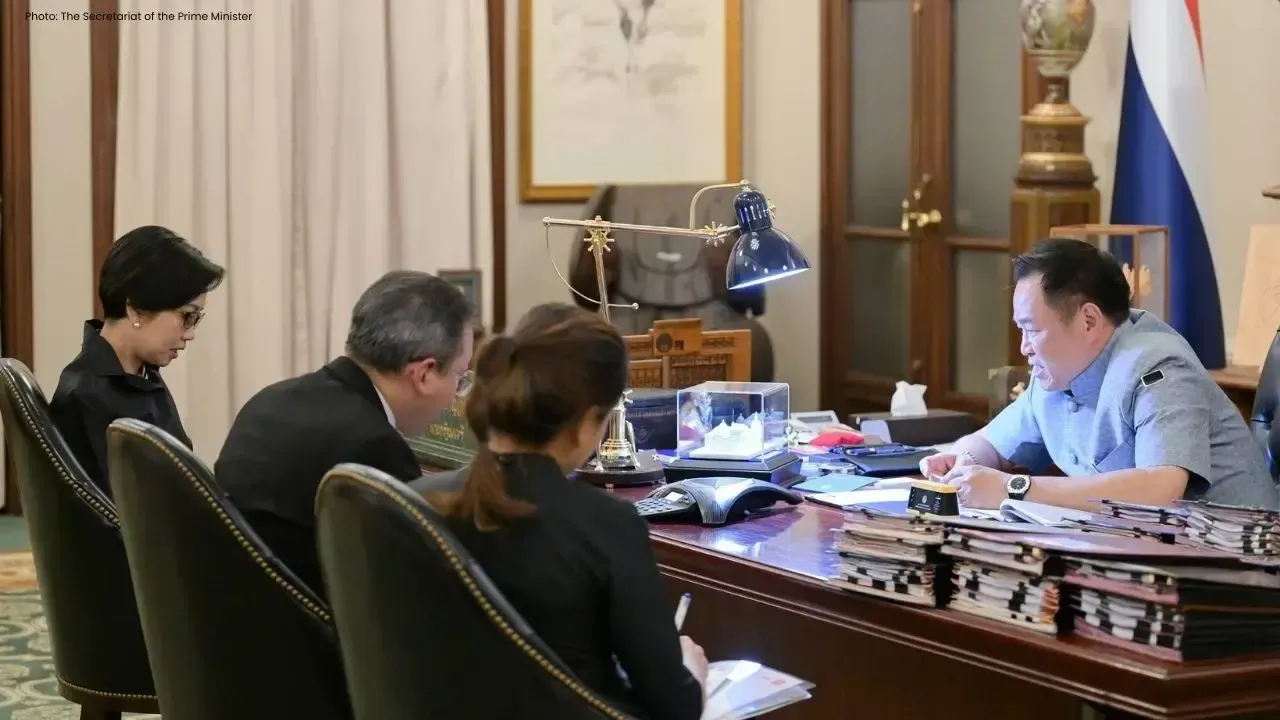
Thailand, Canada Boost Ties in PM-Level Phone Talks
Thailand and Canada agreed to strengthen trade, security, OECD cooperation and ASEAN-Canada FTA talk