You have not yet added any article to your bookmarks!
Join 10k+ people to get notified about new posts, news and tips.
Do not worry we don't spam!
Post by : Anis Farhan
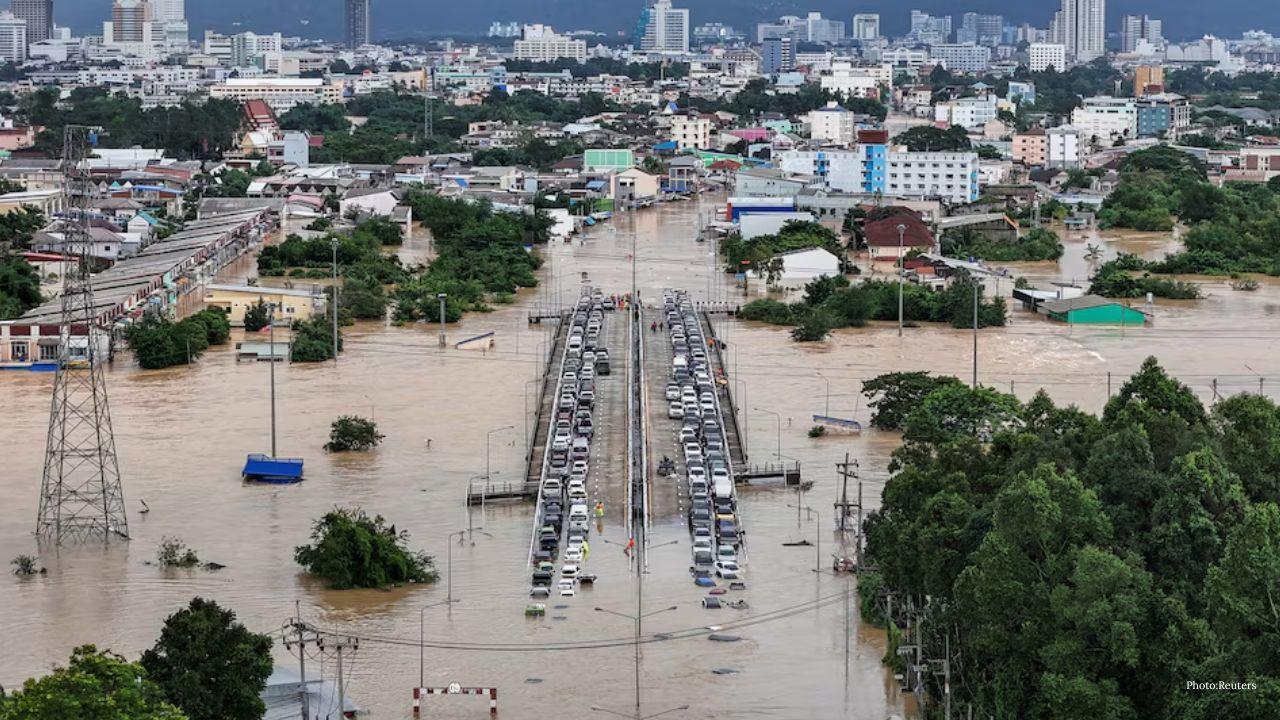
Asia has long been vulnerable to natural disasters. From the devastating 2004 Indian Ocean tsunami to annual monsoon floods in South Asia and typhoons battering Southeast Asia, the region faces recurring crises that test resilience. Climate change has amplified these threats, making storms stronger, floods more frequent, and droughts more severe. The economic and human costs are immense, with millions displaced annually and billions lost in infrastructure damage. Against this backdrop, governments, organizations, and local communities are turning to technology and grassroots networks to prepare better, respond faster, and recover stronger.
One of the most effective tools in disaster preparedness is early warning. Countries like Japan, the Philippines, and India have invested heavily in satellite-based monitoring, seismic sensors, and real-time communication platforms.
For example, Japan’s earthquake early warning system can alert citizens seconds before tremors reach urban areas, allowing trains to stop and factories to shut down critical processes. Similarly, India’s cyclone forecasting system has improved dramatically over the past decade, reducing casualties by issuing timely warnings and guiding evacuations.
Mobile apps, SMS alerts, and social media are becoming central to disseminating critical information. In rural areas with limited connectivity, community radio and loudspeaker announcements remain crucial, blending technology with traditional communication channels.
Infrastructure plays a pivotal role in disaster preparedness. Countries across Asia are now embedding resilience into urban planning and construction. Coastal cities like Jakarta and Manila are investing in seawalls, flood drainage systems, and elevated roads to counter rising sea levels.
Smart cities like Singapore are integrating sensors into drainage networks to monitor water levels in real time, enabling authorities to react quickly to flash floods. Meanwhile, earthquake-prone regions like Nepal and Japan enforce strict building codes, ensuring structures can withstand tremors and protect lives.
The integration of renewable energy also strengthens resilience. Solar-powered microgrids, for instance, keep communities connected even when central power systems fail during storms.
Technology alone cannot save lives—communities remain the backbone of disaster response. Local networks, often organized through NGOs or village committees, are critical in ensuring preparedness. They conduct mock drills, maintain evacuation routes, and organize shelter facilities.
The Philippines offers a prime example, where barangay (village) councils train residents in first aid, search-and-rescue, and evacuation protocols. Similarly, in Bangladesh, community-led cyclone preparedness programs have drastically reduced death tolls compared to past decades.
These local efforts complement national strategies, ensuring that when disaster strikes, people on the ground are ready to act immediately while awaiting external assistance.
Emerging technologies are revolutionizing disaster management. Artificial Intelligence (AI) is being used to predict cyclone paths with greater accuracy, while drones survey damage in inaccessible areas after floods or earthquakes. Big data analytics helps governments identify high-risk zones and prioritize resources for vulnerable communities.
For instance, Indonesia uses drone mapping to monitor volcanic activity and potential lava flows, while India deploys AI models to predict flood patterns in major river basins. These innovations speed up response times and enable better decision-making, saving lives and resources.
Preparedness is not only about infrastructure and technology—it’s also about people knowing what to do. Schools across Asia are incorporating disaster awareness into their curriculum, teaching children evacuation drills and safety practices.
Public awareness campaigns, often run by governments and NGOs, emphasize practical steps such as storing emergency kits, securing important documents, and knowing evacuation routes. These campaigns foster a culture of readiness that can make the difference between chaos and coordinated response during disasters.
Despite progress, Asia faces major hurdles in ensuring equitable preparedness. Rural and marginalized communities often lack access to technology, resilient infrastructure, or timely alerts. For instance, while urban residents may receive mobile app notifications, remote villages may still rely on delayed word-of-mouth warnings.
Economic disparities also limit resilience. Wealthier families can rebuild faster after disasters, while poorer households may be pushed into long-term poverty. Bridging these gaps requires inclusive policies that prioritize vulnerable populations in disaster planning and response.
Disasters rarely respect national boundaries, making regional cooperation vital. Platforms like the ASEAN Coordinating Centre for Humanitarian Assistance (AHA Centre) and the South Asian Association for Regional Cooperation (SAARC) Disaster Management Centre facilitate knowledge-sharing, resource pooling, and joint response drills.
Japan frequently provides technical expertise and funding for disaster resilience projects in neighboring countries. Similarly, India has positioned itself as a first responder in the Indian Ocean, providing aid and relief during regional cyclones and earthquakes. Such collaborations strengthen collective resilience and ensure faster, more coordinated responses to large-scale crises.
The future of disaster preparedness in Asia lies in balancing cutting-edge technology with strong community networks. Investments in AI, drones, and resilient infrastructure must go hand-in-hand with education, training, and grassroots empowerment.
As climate change intensifies risks, the need for proactive strategies is greater than ever. A resilient Asia will depend on how effectively governments, businesses, and communities can collaborate to anticipate disasters, minimize damage, and recover stronger. The goal is not only to survive disasters but to adapt and thrive in an increasingly uncertain environment.
This article provides an overview of disaster preparedness efforts across Asia and the role of technology and communities. Newsible Asia does not provide emergency services or official disaster guidance. Readers should follow official government advisories during crises.




Jordan Burroughs Returns to Wrestling with 2028 Olympic Dream
Jordan Burroughs returns to wrestling with Real American Freestyle as the Olympic champion eyes a po

Lamborghini Catches Fire on Singapore's ECP, Causing Heavy Traffic
A Lamborghini caught fire on Singapore's ECP, causing heavy traffic and bus delays. No injuries were

Bangkok Airport Duty-Free Area Flooded by Pipe Burst
A burst water pipe flooded the duty-free shopping area at Bangkok's Suvarnabhumi Airport on July 16,

Nine Monks Killed in Thailand Pickup Truck Tragedy
An 11-year-old boy driving a pickup truck crashed into monks during a pilgrimage in northeastern Tha

Anwar Congratulates Xi on CPC's 105th Anniversary
Malaysia reaffirms strong ties with China as PM Anwar Ibrahim sends a congratulatory letter to Presi
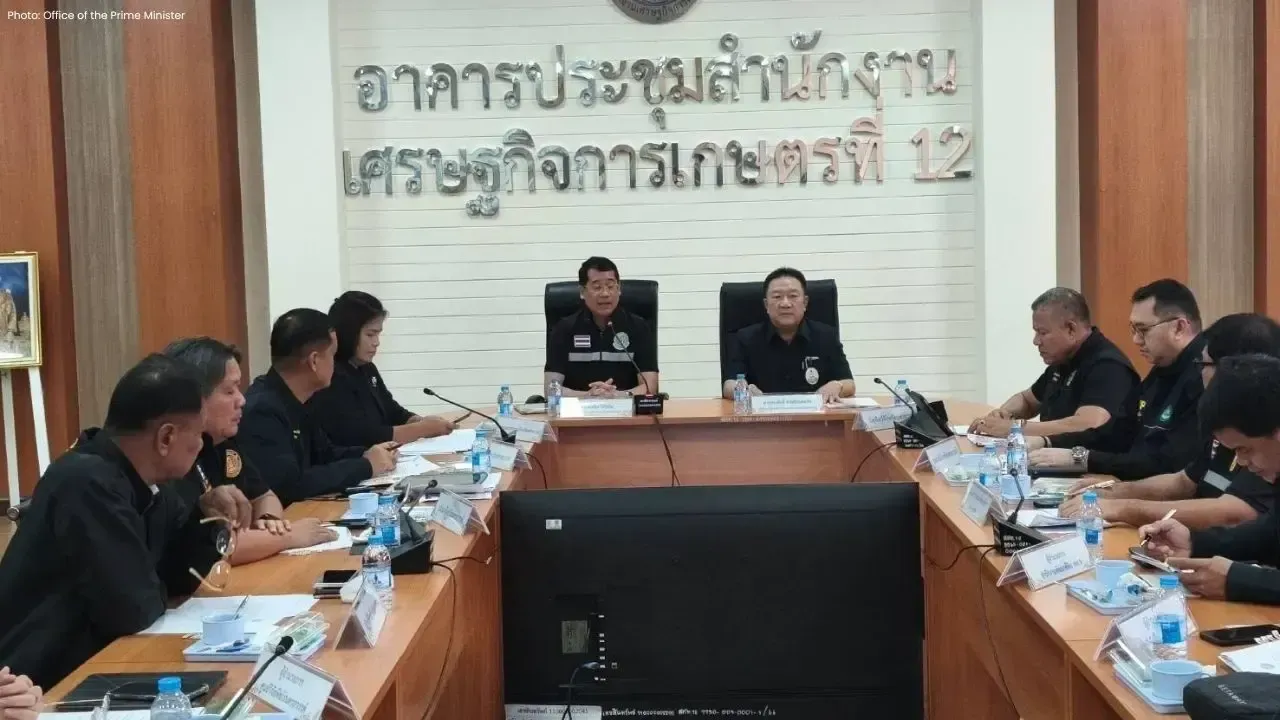
Thai Agriculture Team Reviews 2026 Farm Development Plans
Agriculture Ministry officials inspected livestock and organic rice projects in Nakhon Sawan to moni