You have not yet added any article to your bookmarks!
Join 10k+ people to get notified about new posts, news and tips.
Do not worry we don't spam!

Post by : Anis Farhan
For years, global headlines have been dominated by stories of conflict, unrest, and political division. Yet, beneath the noise, diplomacy has been quietly reshaping the international order. The latest Global Peace Index (GPI) has recorded its highest rating in over a decade, a sign that the world may finally be inching toward greater stability.
The milestone comes after a series of landmark diplomatic breakthroughs that have reduced regional tensions, eased military confrontations, and improved cooperation between countries long at odds. While challenges remain, the new index provides cautious optimism that peace, once elusive, is finding firmer ground in international affairs.
The Global Peace Index, published annually, is one of the most comprehensive measures of global stability. It considers 23 indicators across categories such as:
Ongoing Domestic and International Conflict
Societal Safety and Security
Militarization and Defense Spending
Scores are compiled to rank countries from most to least peaceful, offering policymakers, analysts, and citizens a snapshot of global harmony—or its absence.
This year’s report reveals a surprising trend: despite ongoing conflicts in several hotspots, the overall index has improved dramatically, signaling a global tilt toward diplomacy and conflict resolution.
Several major developments in the past two years have contributed to this decade-high rating:
Middle East Truce Agreements: Ceasefires between long-feuding nations in the Middle East have reduced hostilities, allowing humanitarian aid and reconstruction to take precedence.
Normalization of Relations: Diplomatic normalization between previously adversarial states has reopened embassies, reestablished trade, and encouraged cultural exchange.
African Peace Talks: Mediation efforts in East and Central Africa have ended long-standing civil conflicts, easing refugee crises and promoting stability.
Asian Cooperation: Neighboring powers in Asia have lowered border tensions, shifting focus to trade partnerships and climate cooperation.
Global Treaties: Renewed commitments to arms control and climate accords have shown that multilateralism, once waning, is regaining momentum.
These breakthroughs underscore the power of negotiation over confrontation, where dialogue has succeeded where military strategies often failed.
The improvements reflected in the GPI are not evenly distributed. Some regions have witnessed remarkable transformation, while others remain mired in instability.
The Middle East and North Africa (MENA): Although historically ranked low on the peace index, this region has seen modest yet meaningful gains. Reduced airstrikes, lower cross-border clashes, and joint economic projects have contributed to incremental stability.
Sub-Saharan Africa: Peace talks have helped reduce armed insurgencies in several nations, though pockets of violence persist.
Europe: Already among the most peaceful regions, Europe strengthened its score further through expanded diplomatic cooperation on energy and migration.
Asia-Pacific: Despite ongoing flashpoints, improved cross-border communication has prevented escalation, earning higher peace rankings for key nations.
Diplomatic breakthroughs do not occur in isolation; they are driven by leadership, vision, and persistence. In the past year, several world leaders prioritized negotiation over confrontation, reshaping foreign policies to emphasize peacebuilding.
Multilateral institutions like the United Nations and African Union have reasserted their roles as mediators, while smaller neutral nations have successfully hosted peace talks that brought adversaries to the table.
This collective shift toward negotiation suggests that global leadership is increasingly aware that the cost of war far outweighs the dividends of peace.
Peace is not only a moral or political achievement—it carries enormous economic significance. Countries scoring higher on the peace index tend to experience:
Higher Foreign Investment: Investors prefer stable environments where risks of disruption are low.
Tourism Growth: Nations with improved security attract international travelers, boosting local economies.
Reduced Military Spending: Lower conflict means fewer resources diverted to defense, freeing budgets for healthcare, education, and infrastructure.
Trade Expansion: Peaceful regions foster stronger cross-border trade ties, stimulating economic interdependence.
The latest GPI highlights that countries improving their peace rankings have also reported healthier GDP growth, a link that underscores the tangible rewards of diplomacy.
Despite the positive momentum, the Global Peace Index also warns against complacency. Several pressing challenges remain:
Ongoing Conflicts: Civil wars and border disputes still simmer in parts of the Middle East, Africa, and Eastern Europe.
Terrorism Threats: Extremist groups, though weakened, continue to destabilize certain regions.
Political Instability: Fragile democracies remain vulnerable to coups, unrest, and populist movements that erode peace.
Climate Migration: Environmental crises are creating new security risks, forcing mass displacement that can spark tensions.
These unresolved issues highlight that while global peace has improved, it remains fragile.
Numbers and rankings tell only part of the story. On the ground, improved peace translates into profound human benefits:
Children Returning to School: Ceasefires allow education systems to resume, restoring hope for the next generation.
Reunification of Families: Refugees displaced by conflict are able to return home, rebuilding communities torn apart.
Mental Health Relief: Living without the constant threat of violence reduces stress and trauma, improving overall well-being.
Opportunities for Women: Peace agreements often open the door for greater participation of women in politics, business, and community leadership.
These stories humanize the index, reminding us that peace is not an abstract concept but a lived reality.
Interestingly, global surveys accompanying the GPI show that public optimism about peace is on the rise. A majority of respondents expressed belief that diplomacy is more effective than military confrontation, a marked shift in global attitudes.
This perception matters: public opinion influences governments, pressuring them to sustain peace efforts rather than resort to aggression.
To sustain this momentum, experts argue that peacebuilding must become a permanent priority rather than a temporary response to crises. Key recommendations include:
Strengthening International Institutions: Empowering bodies like the UN to enforce resolutions more effectively.
Investing in Education and Dialogue: Promoting cross-cultural understanding to reduce prejudice and hostility.
Climate Diplomacy: Tackling environmental issues as a shared global challenge rather than a source of conflict.
Digital Diplomacy: Using technology to promote transparency, accountability, and cross-border communication.
Inclusive Peace Processes: Ensuring marginalized communities, women, and youth are represented in negotiations.
The Global Peace Index reaching a decade-high is not merely a statistic—it is a sign that diplomacy, patience, and collaboration can reshape the world for the better. From ceasefires in the Middle East to reconciliation in Africa, the tide is slowly turning toward dialogue over violence.
The path forward will not be without challenges, but this milestone is a reminder that peace, while fragile, is achievable when nations choose cooperation over confrontation. In a world long overshadowed by conflict, the rise of peace offers a rare and welcome sense of hope.
This article provides an editorial perspective on the Global Peace Index’s latest findings. It is intended for informational purposes only and should not be interpreted as an official policy report.





Jordan Burroughs Returns to Wrestling with 2028 Olympic Dream
Jordan Burroughs returns to wrestling with Real American Freestyle as the Olympic champion eyes a po

Lamborghini Catches Fire on Singapore's ECP, Causing Heavy Traffic
A Lamborghini caught fire on Singapore's ECP, causing heavy traffic and bus delays. No injuries were

Bangkok Airport Duty-Free Area Flooded by Pipe Burst
A burst water pipe flooded the duty-free shopping area at Bangkok's Suvarnabhumi Airport on July 16,
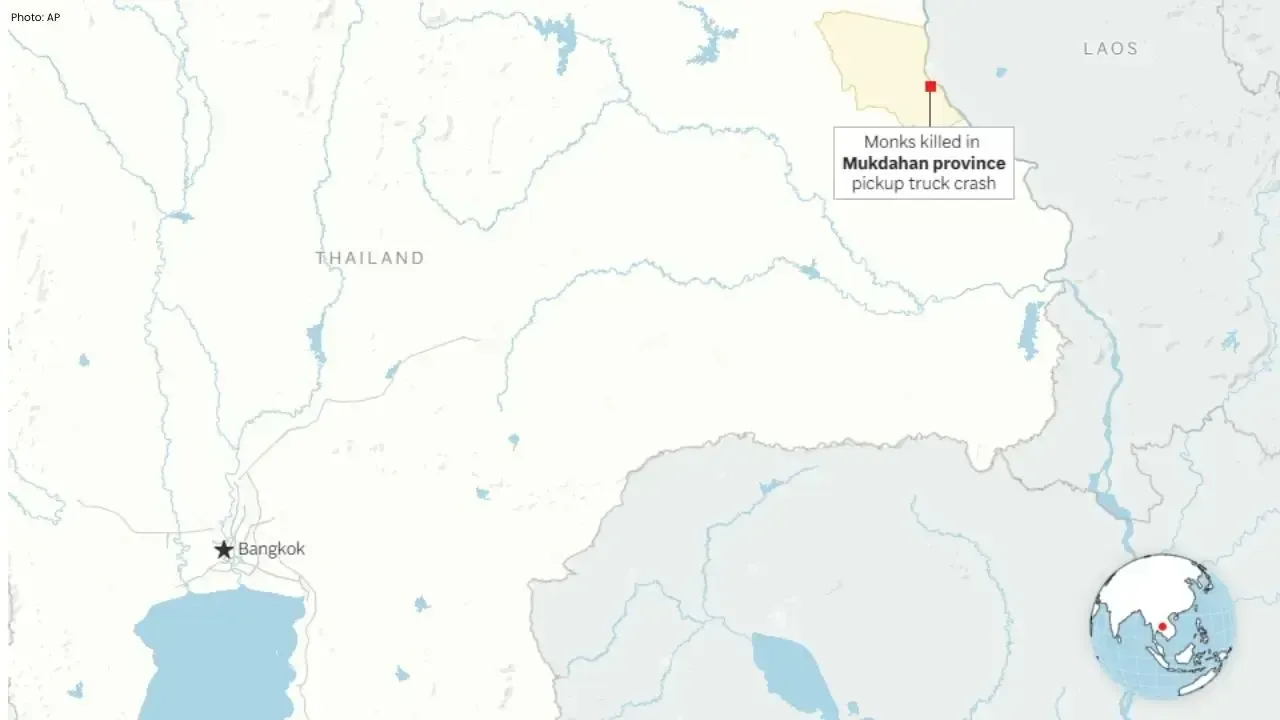
Nine Monks Killed in Thailand Pickup Truck Tragedy
An 11-year-old boy driving a pickup truck crashed into monks during a pilgrimage in northeastern Tha
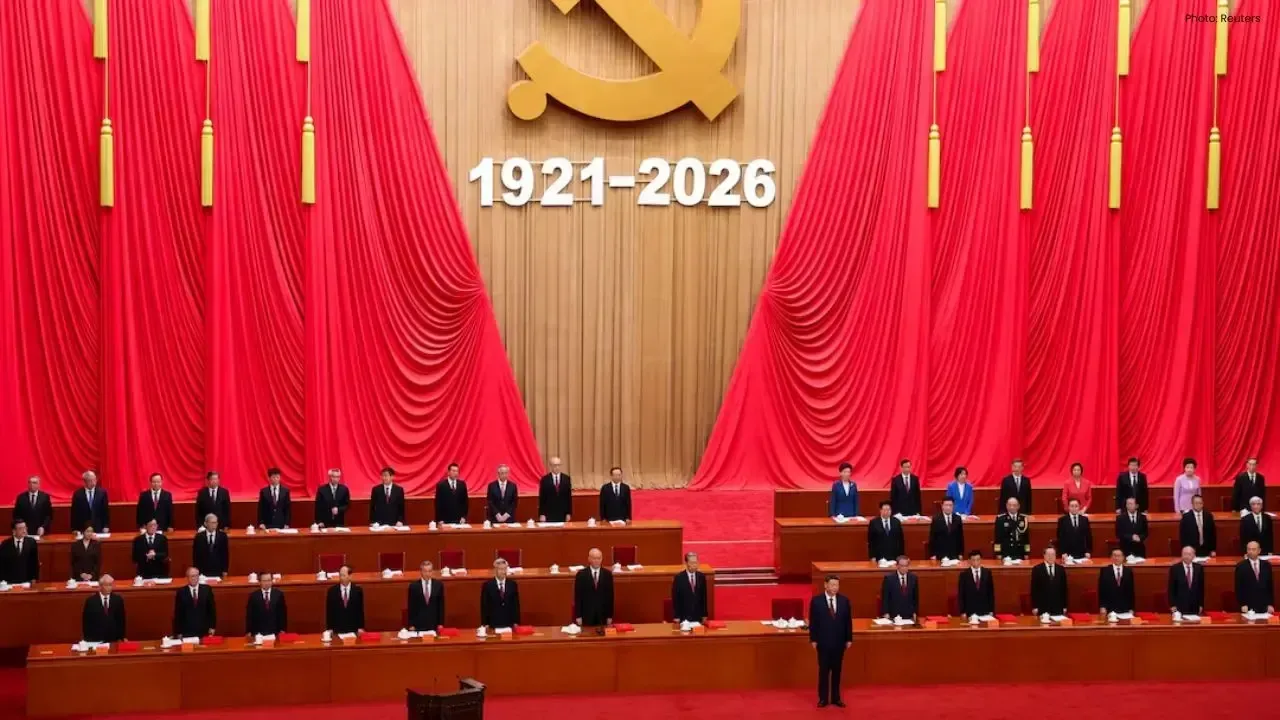
Anwar Congratulates Xi on CPC's 105th Anniversary
Malaysia reaffirms strong ties with China as PM Anwar Ibrahim sends a congratulatory letter to Presi
Thai Agriculture Team Reviews 2026 Farm Development Plans
Agriculture Ministry officials inspected livestock and organic rice projects in Nakhon Sawan to moni