You have not yet added any article to your bookmarks!
Join 10k+ people to get notified about new posts, news and tips.
Do not worry we don't spam!

Post by : Anis Farhan
The education sector has entered an era of profound transformation. Once defined by physical classrooms, lecture halls, and traditional academic systems, higher education is now undergoing a digital revolution. Asia, with its rapidly growing youth population, innovative technology ecosystem, and demand for affordable education, has emerged as the focal point of this shift. From Singapore to India and China to Indonesia, online university models are disrupting conventional learning pathways. These models are not only changing how students learn but also redefining what it means to access quality education in the 21st century.
Across Asia, online universities are no longer a niche experiment; they have become a mainstream force. Countries like India, China, Malaysia, and the Philippines are embracing digital-first universities that offer full-fledged degree programs accessible entirely online. Governments and private players alike are investing heavily in digital platforms that rival traditional institutions in terms of scale and reach.
In India, platforms such as IGNOU Online and new university-affiliated portals are enabling millions of students to pursue higher education without the barriers of location or cost. China, already a leader in digital adoption, has developed massive online learning hubs tied to top universities, offering courses that attract both domestic and international students. Southeast Asia too is catching up quickly, with Malaysia and Singapore investing in hybrid and fully digital university infrastructures.
Several factors explain the rapid adoption of online university models in Asia:
Demographic Demand – Asia has the world’s largest youth population. Traditional universities cannot physically accommodate the demand, making digital models necessary.
Affordability – Many students come from middle-income or rural households. Online universities offer reduced tuition fees compared to traditional institutions, making education more affordable.
Technological Readiness – With widespread internet access, smartphone penetration, and investments in edtech platforms, the infrastructure for online learning is already strong.
Globalization of Education – Employers now recognize online degrees from credible institutions, pushing universities to adapt to global standards.
Traditional higher education has long been criticized for its rigid structures—fixed schedules, physical presence requirements, and long program durations. Online universities are turning this model upside down. Students can now learn at their own pace, take classes at flexible hours, and often balance work, internships, or family responsibilities alongside their studies.
For example, many digital universities in Asia are offering modular degrees, allowing students to take shorter certification programs that can later be stacked into a complete degree. This “learn as you go” model resonates deeply with working professionals and lifelong learners.
The digital disruption in higher education wouldn’t be possible without advanced technologies. Artificial intelligence, machine learning, and big data are being deployed to personalize learning experiences. AI tutors, virtual labs, and adaptive assessments are now standard features in many Asian online universities.
Virtual reality (VR) and augmented reality (AR) are also entering classrooms, enabling simulations for subjects such as medicine, architecture, and engineering. Cloud-based learning management systems ensure scalability, allowing millions of students to log in simultaneously without disrupting the quality of experience.
Despite rapid growth, online universities face several challenges:
Digital Divide: Rural students still face connectivity issues, especially in countries with uneven infrastructure.
Perception: Online degrees are not universally accepted in all industries or by all employers.
Quality Assurance: With so many platforms emerging, ensuring high academic standards is a concern.
Student Engagement: Retaining attention and preventing dropout rates in online courses remains a major challenge.
These issues require both government regulation and institutional innovation to ensure long-term credibility.
Asia’s online universities are not just serving local students—they are increasingly competing on a global stage. International learners, especially from Africa and the Middle East, are enrolling in Asian digital universities because of lower costs and high-quality instruction. Countries like Singapore and India are actively marketing online university models as exportable education products, strengthening their global influence.
This cross-border learning ecosystem also creates cultural exchanges, with students from different backgrounds connecting virtually. The result is a truly international classroom experience without geographic limitations.
The rise of online universities poses both a challenge and an opportunity for traditional institutions. Many established universities in Asia are adopting hybrid models, combining digital and on-campus experiences to attract students. Some are even collaborating with edtech firms to digitize their courses.
Traditional institutions risk becoming obsolete if they do not adapt. Students are increasingly valuing skill-based, flexible learning pathways over rigid four-year degrees. Online universities’ ability to provide industry-relevant, updated curricula gives them a competitive edge.
Looking ahead, Asia is set to lead the global transformation of higher education. By 2030, it is likely that more students in Asia will be enrolled in online or hybrid university programs than in traditional ones. Governments are already drafting policies to regulate and encourage this shift. For example, India’s National Education Policy has explicitly pushed for digital learning integration, while China’s Ministry of Education continues to invest in large-scale online platforms.
The focus will be on blending technology, accessibility, and global standards to create a robust and future-ready education ecosystem. As online universities become more sophisticated, they may even surpass traditional institutions in terms of prestige and recognition.
The digital disruption of higher education is not a temporary trend—it is a structural shift that is redefining the future of learning. Asia’s online universities are at the center of this change, setting the stage for how the world will educate the next generation. By making education more inclusive, affordable, and globally connected, these models are not only transforming individual lives but also shaping the future of economies and societies.
The classroom of tomorrow is no longer bound by walls. It is a digital, borderless, and flexible learning environment—one that Asia is pioneering with determination and vision.
This article is for informational and editorial purposes only. It highlights current trends in online education across Asia and does not promote or endorse any specific university or platform. Readers are encouraged to verify information independently before making academic or professional decisions.









Lamborghini Catches Fire on Singapore's ECP, Causing Heavy Traffic
A Lamborghini caught fire on Singapore's ECP, causing heavy traffic and bus delays. No injuries were

Bangkok Airport Duty-Free Area Flooded by Pipe Burst
A burst water pipe flooded the duty-free shopping area at Bangkok's Suvarnabhumi Airport on July 16,
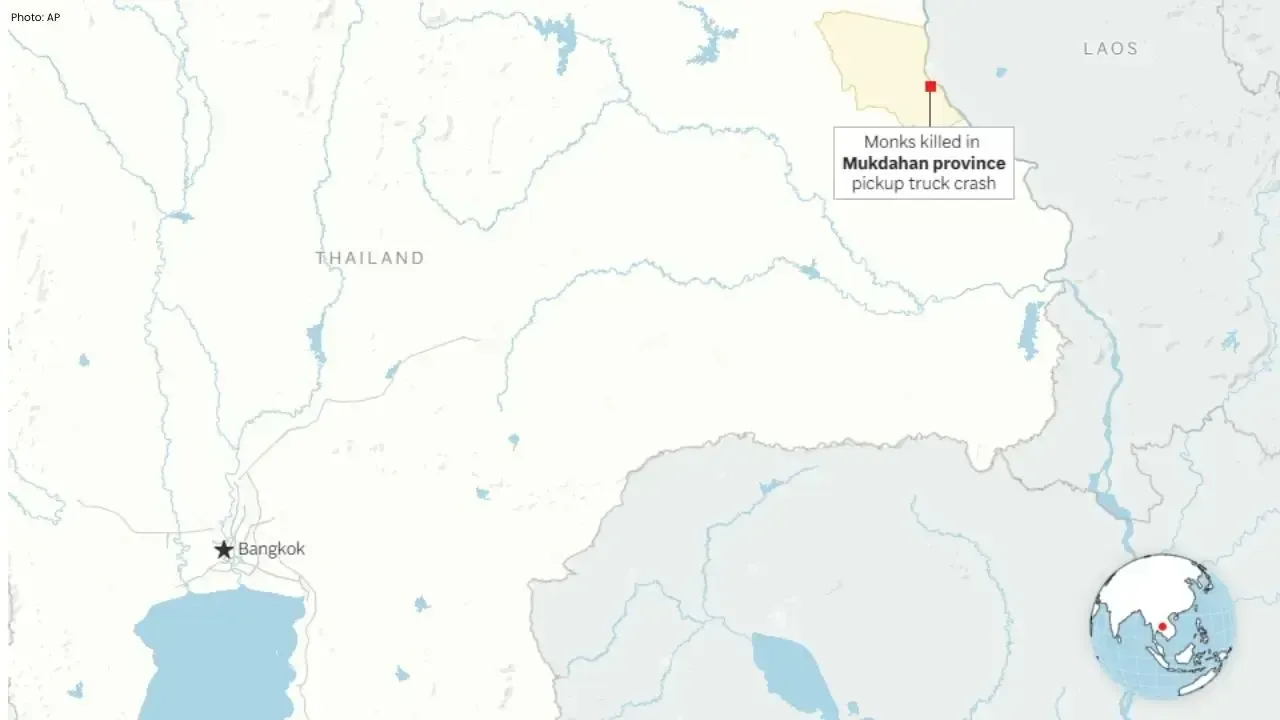
Nine Monks Killed in Thailand Pickup Truck Tragedy
An 11-year-old boy driving a pickup truck crashed into monks during a pilgrimage in northeastern Tha
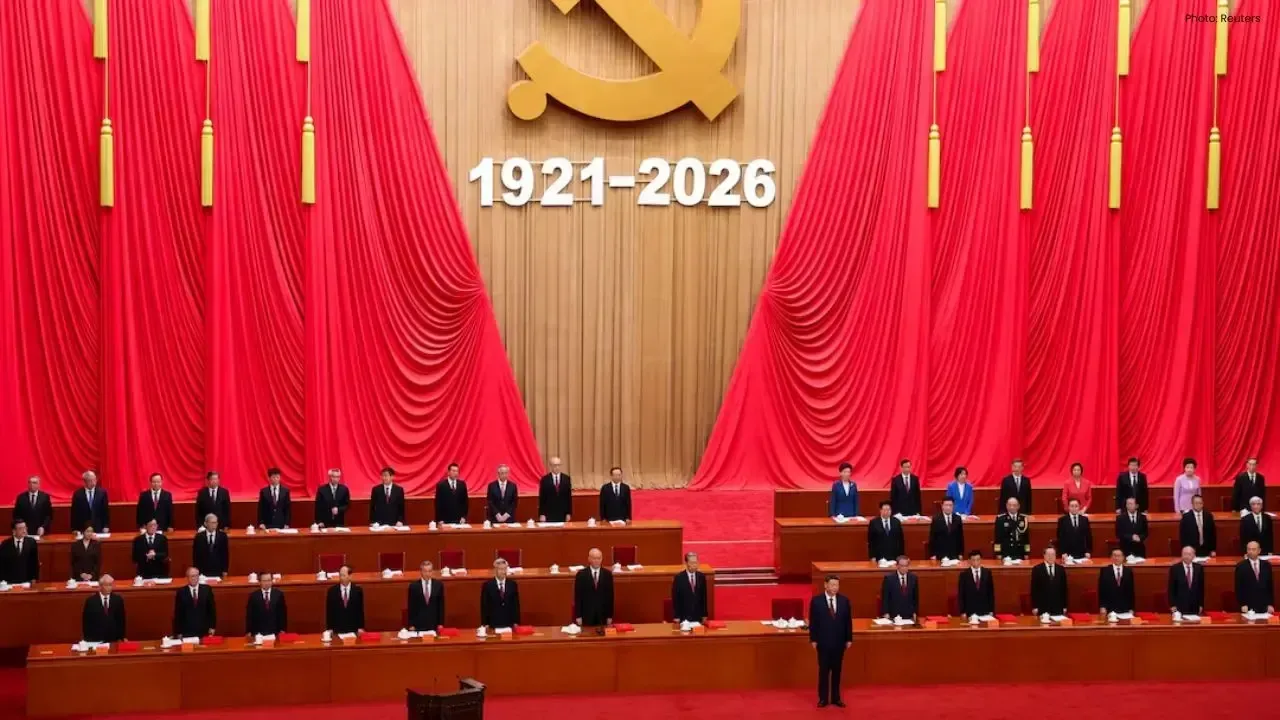
Anwar Congratulates Xi on CPC's 105th Anniversary
Malaysia reaffirms strong ties with China as PM Anwar Ibrahim sends a congratulatory letter to Presi

Thai Agriculture Team Reviews 2026 Farm Development Plans
Agriculture Ministry officials inspected livestock and organic rice projects in Nakhon Sawan to moni

Thailand, Canada Boost Ties in PM-Level Phone Talks
Thailand and Canada agreed to strengthen trade, security, OECD cooperation and ASEAN-Canada FTA talk