You have not yet added any article to your bookmarks!
Join 10k+ people to get notified about new posts, news and tips.
Do not worry we don't spam!
Post by : Anis Farhan
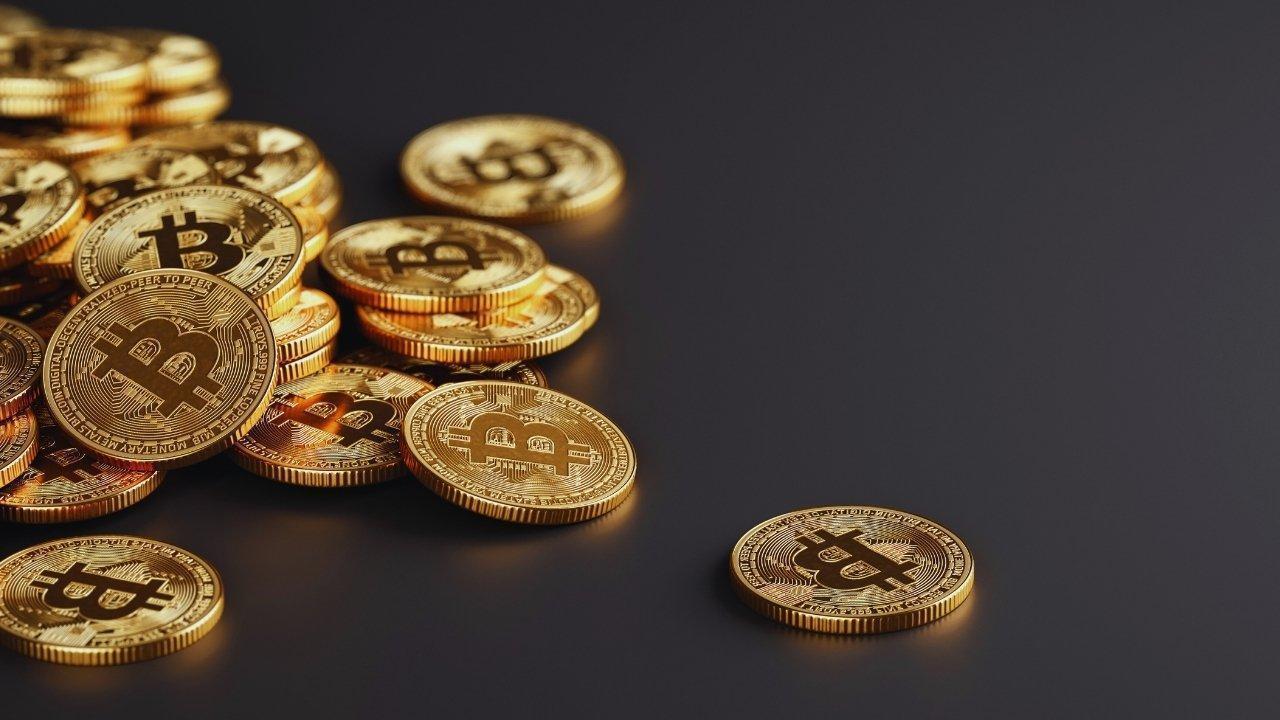
Finance has always evolved with technology. From the invention of paper money to electronic trading, each innovation has expanded market participation and efficiency. In 2025, the most groundbreaking shift is happening through decentralized finance (DeFi) and tokenization. These systems remove intermediaries, improve accessibility, and unlock new ways to invest in real-world assets.
Unlike the speculative hype that drove early crypto booms, today’s conversation is grounded in utility. DeFi platforms are no longer experimental side projects; they are developing into robust financial ecosystems that can tokenize everything from real estate and commodities to intellectual property. For investors, this evolution means more than just cryptocurrency speculation—it signals a structural rethinking of global finance.
DeFi refers to financial services built on blockchain networks without centralized intermediaries such as banks or brokers. Transactions are executed through smart contracts—self-executing codes that automatically enforce agreements.
The significance of DeFi lies in its inclusivity. Traditional financial systems are often exclusionary, requiring credit histories, institutional connections, or geographic privileges. DeFi breaks these barriers by offering borderless, transparent, and efficient services. Anyone with internet access and a digital wallet can participate.
From lending and borrowing to derivatives and insurance, DeFi replicates and innovates on traditional finance. Its main advantage is programmability—allowing financial products to be automated and customized without needing an institution’s approval.
At the core of the new financial revolution is tokenization—the process of converting rights to a real-world asset into a digital token stored on the blockchain. These tokens can represent tangible assets like real estate, gold, or art, as well as intangible ones like intellectual property or carbon credits.
The appeal of tokenization lies in liquidity and accessibility. High-value assets that were once limited to institutional investors can now be fractionalized. A luxury apartment or fine art piece can be divided into thousands of digital tokens, enabling retail investors to purchase small shares. This democratization of investment expands participation and potentially increases overall market efficiency.
Real-world asset tokenization has emerged as one of the most promising applications of blockchain in 2025. Unlike speculative crypto coins, RWAs provide intrinsic value by linking directly to physical or legal assets. This reduces volatility and makes them appealing to traditional investors who were once skeptical of crypto markets.
Examples include:
Real Estate Tokens: Allowing investors to own fractional shares of commercial properties.
Commodities Tokens: Backed by gold, oil, or agricultural products, offering stability in volatile markets.
Debt & Bonds Tokens: Transforming government and corporate bonds into blockchain-based instruments for faster settlement.
Private Equity Tokens: Giving retail investors access to early-stage funding opportunities once reserved for venture capitalists.
By bridging traditional finance and blockchain, RWA token markets are not only expanding investment opportunities but also reshaping global capital flows.
For years, the crypto world operated on the fringes of mainstream finance. In 2025, however, institutional adoption has accelerated. Banks, asset managers, and hedge funds are now experimenting with tokenized products. BlackRock and other financial giants have already launched tokenized bond and money market funds, signaling that tokenization is moving from theory to practice.
Regulators, once hostile, are now cautiously supportive. Governments are drafting frameworks to ensure investor protection while encouraging innovation. The EU’s MiCA regulation, the U.S. exploration of stablecoin laws, and Asia’s sandbox models all point toward a regulated but thriving tokenized economy. The result is increased investor confidence, which is essential for long-term growth.
For investors, DeFi and tokenization offer several clear opportunities:
Accessibility – Retail investors can access previously exclusive markets.
Liquidity – Tokenized assets can be traded on secondary markets with greater ease.
Diversification – Investors can diversify across asset classes at lower entry points.
Transparency – Blockchain-based records ensure immutability and trust.
Yield Opportunities – DeFi lending platforms offer returns often higher than traditional savings products.
The expanding ecosystem also fosters innovation. Hybrid products that combine stablecoins, tokenized bonds, and decentralized lending pools are emerging, providing investors with new avenues for returns.
Despite the potential, DeFi and tokenization are not without risks.
Regulatory Uncertainty: While progress is being made, differences in global regulation create risks for cross-border investors.
Smart Contract Vulnerabilities: Bugs in code can lead to hacks and losses.
Liquidity Risks: Although tokenization improves access, secondary markets may not always guarantee quick sales.
Valuation Complexity: Pricing tokenized assets requires accurate linking to real-world valuations, which can be difficult for illiquid assets.
Market Volatility: While RWAs reduce speculative swings, broader crypto market fluctuations still affect sentiment and pricing.
Investors must weigh these risks carefully and diversify their strategies rather than going all-in.
The most exciting trend in 2025 is the convergence of DeFi with traditional finance. Banks are beginning to integrate blockchain settlement layers into their operations, while central banks explore central bank digital currencies (CBDCs) that could interact with tokenized markets.
This convergence suggests that the future of finance is not a competition between traditional and decentralized systems, but a synthesis. DeFi provides innovation and accessibility, while traditional finance brings stability, scale, and regulatory oversight. Together, they can form a hybrid financial system that is more efficient and inclusive.
By 2030, tokenization is expected to reach trillions in market capitalization. Real estate, carbon credits, intellectual property rights, and even personal data are likely to be tokenized. DeFi platforms will mature, integrating stronger security measures and compliance tools.
The coming years will test how well global regulators, institutions, and innovators can collaborate to balance growth with security. Investors who position themselves early in this transition stand to benefit the most, provided they remain mindful of risks.
DeFi, tokenization, and real-world asset markets are not just trends; they represent the foundation of the next era of global finance. By merging blockchain technology with tangible assets, these innovations promise to democratize investment, improve efficiency, and reshape global capital markets. For investors, the opportunity is massive, but so are the risks. Navigating this landscape requires knowledge, caution, and a willingness to adapt to a financial world that is rapidly transforming.
This article is for informational purposes only and does not constitute financial advice. Readers are encouraged to conduct independent research and consult financial professionals before making investment decisions.








Jordan Burroughs Returns to Wrestling with 2028 Olympic Dream
Jordan Burroughs returns to wrestling with Real American Freestyle as the Olympic champion eyes a po

Lamborghini Catches Fire on Singapore's ECP, Causing Heavy Traffic
A Lamborghini caught fire on Singapore's ECP, causing heavy traffic and bus delays. No injuries were

Bangkok Airport Duty-Free Area Flooded by Pipe Burst
A burst water pipe flooded the duty-free shopping area at Bangkok's Suvarnabhumi Airport on July 16,

Nine Monks Killed in Thailand Pickup Truck Tragedy
An 11-year-old boy driving a pickup truck crashed into monks during a pilgrimage in northeastern Tha
Anwar Congratulates Xi on CPC's 105th Anniversary
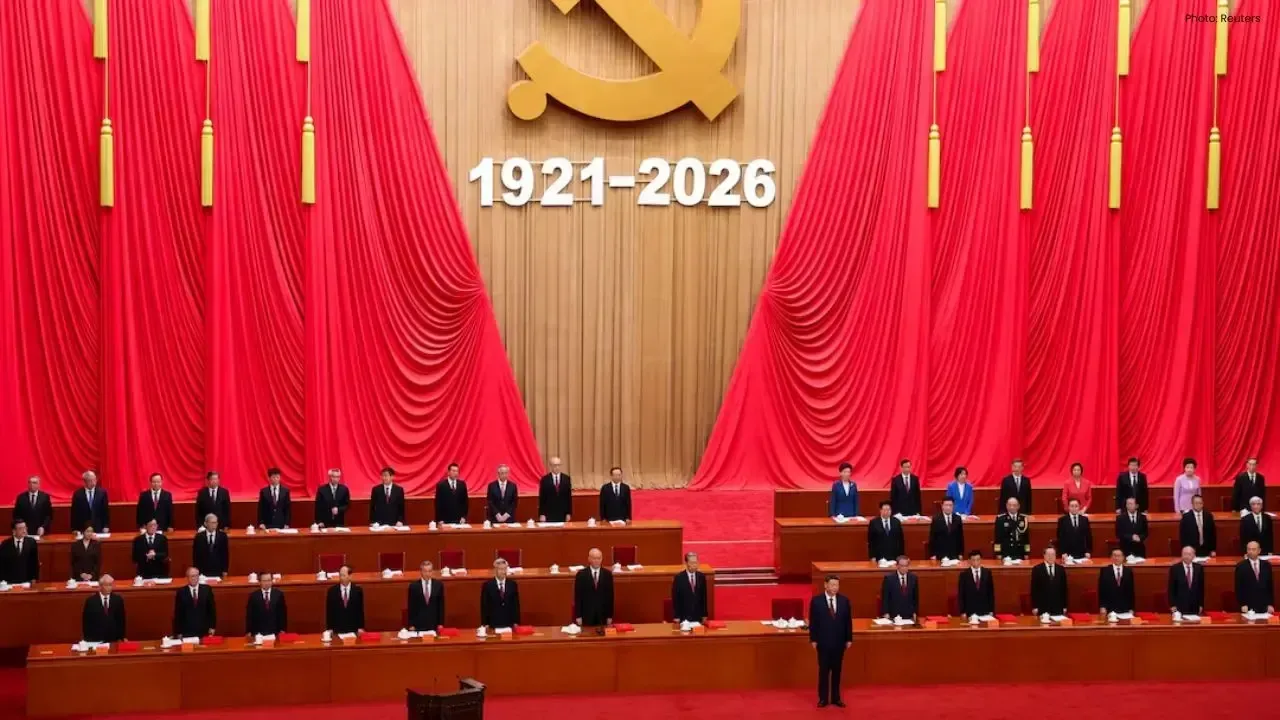
Malaysia reaffirms strong ties with China as PM Anwar Ibrahim sends a congratulatory letter to Presi

Thai Agriculture Team Reviews 2026 Farm Development Plans
Agriculture Ministry officials inspected livestock and organic rice projects in Nakhon Sawan to moni