You have not yet added any article to your bookmarks!
Join 10k+ people to get notified about new posts, news and tips.
Do not worry we don't spam!

Post by : Vansh
Cultural tourism has become one of the most enriching ways to explore the world. Unlike traditional travel that often focuses on leisure or sightseeing, cultural tourism allows travelers to connect with the soul of a destination. By experiencing heritage, customs, and traditions firsthand, visitors gain deeper insights into the history and values of communities around the globe. In an age where authenticity is treasured, cultural tourism bridges the gap between past and present, offering journeys that are as educational as they are memorable.
At the heart of cultural exploration lies heritage tourism, which emphasizes the preservation and appreciation of historical landmarks, monuments, and ancient sites. Tourists who engage in heritage tourism often find themselves standing in awe before centuries-old temples, forts, or museums that narrate untold stories of civilizations. Whether it is walking through the ruins of Machu Picchu, marveling at the Taj Mahal, or exploring the castles of Europe, heritage tourism is about reliving history. It also contributes significantly to the preservation of cultural landmarks, as revenue from tourism often supports conservation projects that protect these treasures for future generations.
When we speak of cultural tourism, we cannot overlook the role of traditions. These are not merely customs frozen in time but living practices that communities continue to embrace. Festivals, rituals, dances, and local crafts provide travelers with opportunities to immerse themselves in authentic cultural settings. For instance, attending Diwali celebrations in India, participating in Japanese tea ceremonies, or observing flamenco performances in Spain can turn a trip into a life-changing experience. Such interactions not only entertain but also educate visitors about the values and beliefs that define a community’s identity.
One of the primary reasons people are drawn to cultural tourism is the pursuit of authentic experiences. Modern travelers no longer seek generic itineraries; they crave genuine connections with the places they visit. Authentic travel experiences include staying in traditional homes, trying local cuisines prepared by families, learning indigenous art forms, or even joining community farming practices. These experiences go beyond the superficial and allow travelers to engage with locals in meaningful ways. For many, it is these moments that leave lasting impressions, far more valuable than a simple sightseeing tour.
The information provided in this article is intended for general awareness and educational purposes related to cultural tourism. Readers are encouraged to verify details and use their discretion before making travel decisions. Newsableasia news is not responsible for any personal choices, financial losses, or travel-related concerns arising from the use of this content.










Jordan Burroughs Returns to Wrestling with 2028 Olympic Dream
Jordan Burroughs returns to wrestling with Real American Freestyle as the Olympic champion eyes a po

Lamborghini Catches Fire on Singapore's ECP, Causing Heavy Traffic
A Lamborghini caught fire on Singapore's ECP, causing heavy traffic and bus delays. No injuries were

Bangkok Airport Duty-Free Area Flooded by Pipe Burst
A burst water pipe flooded the duty-free shopping area at Bangkok's Suvarnabhumi Airport on July 16,
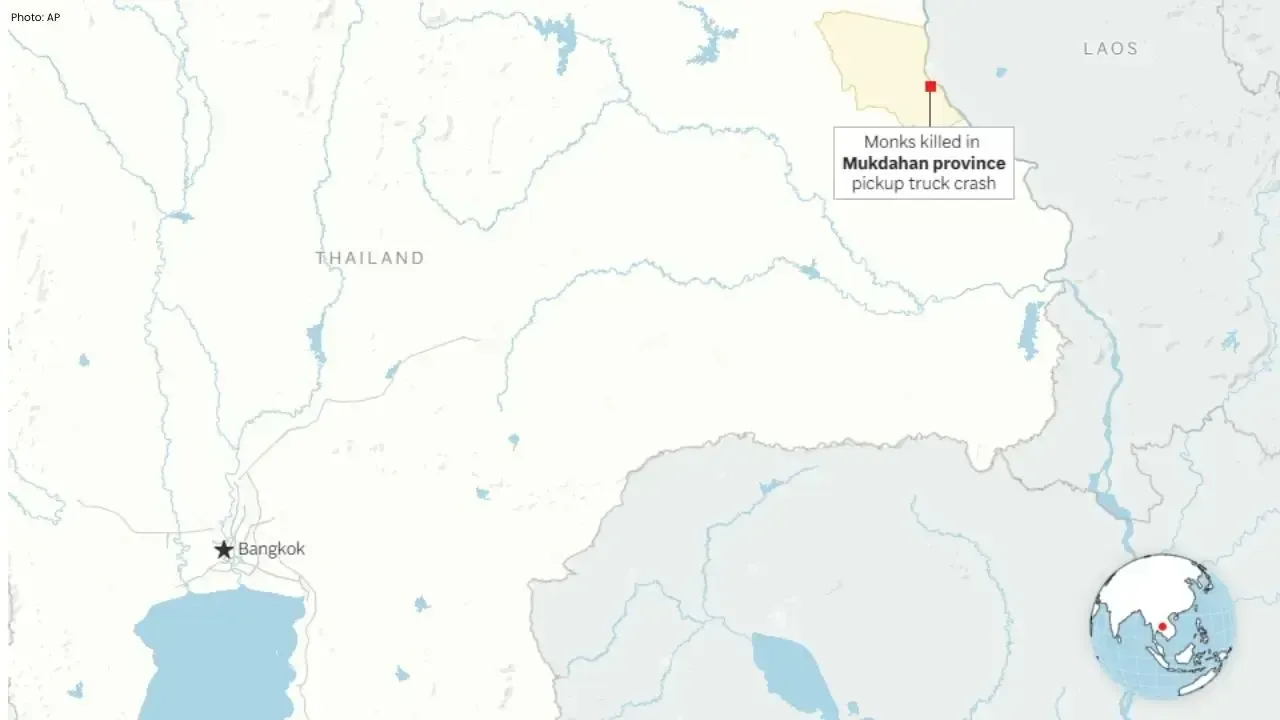
Nine Monks Killed in Thailand Pickup Truck Tragedy
An 11-year-old boy driving a pickup truck crashed into monks during a pilgrimage in northeastern Tha

Anwar Congratulates Xi on CPC's 105th Anniversary
Malaysia reaffirms strong ties with China as PM Anwar Ibrahim sends a congratulatory letter to Presi
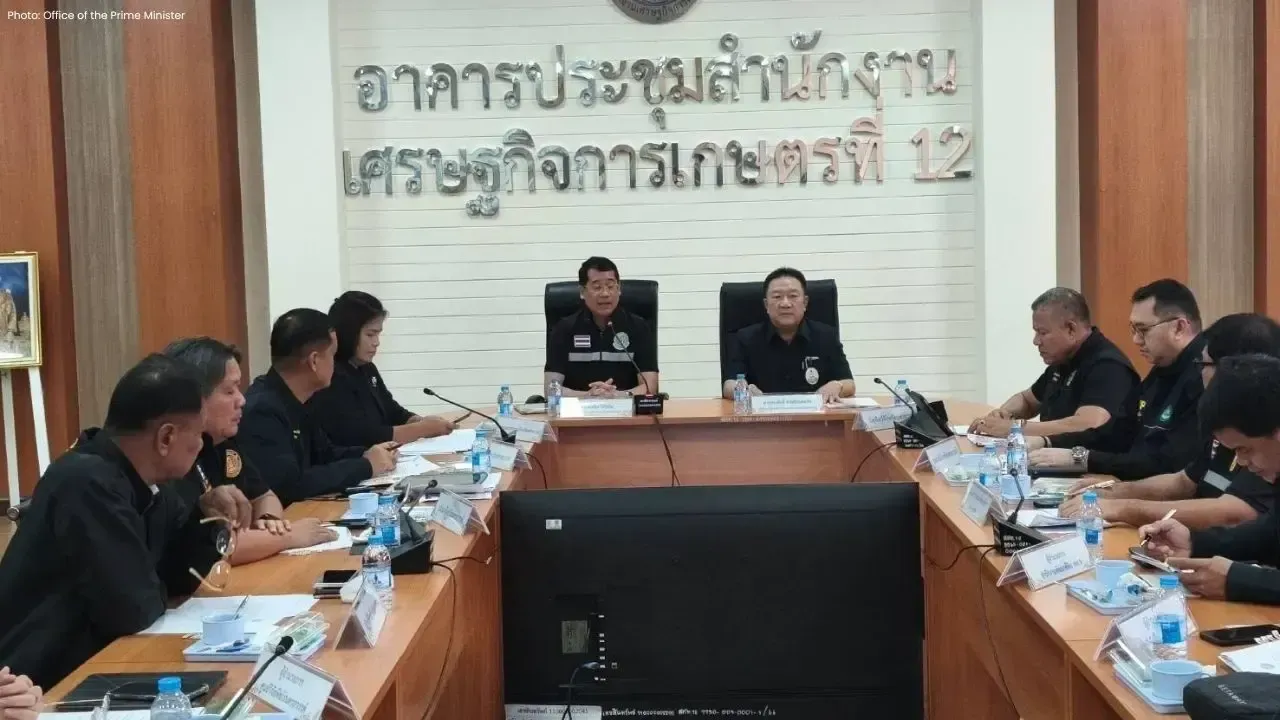
Thai Agriculture Team Reviews 2026 Farm Development Plans
Agriculture Ministry officials inspected livestock and organic rice projects in Nakhon Sawan to moni