You have not yet added any article to your bookmarks!
Join 10k+ people to get notified about new posts, news and tips.
Do not worry we don't spam!
Post by : Anis Farhan
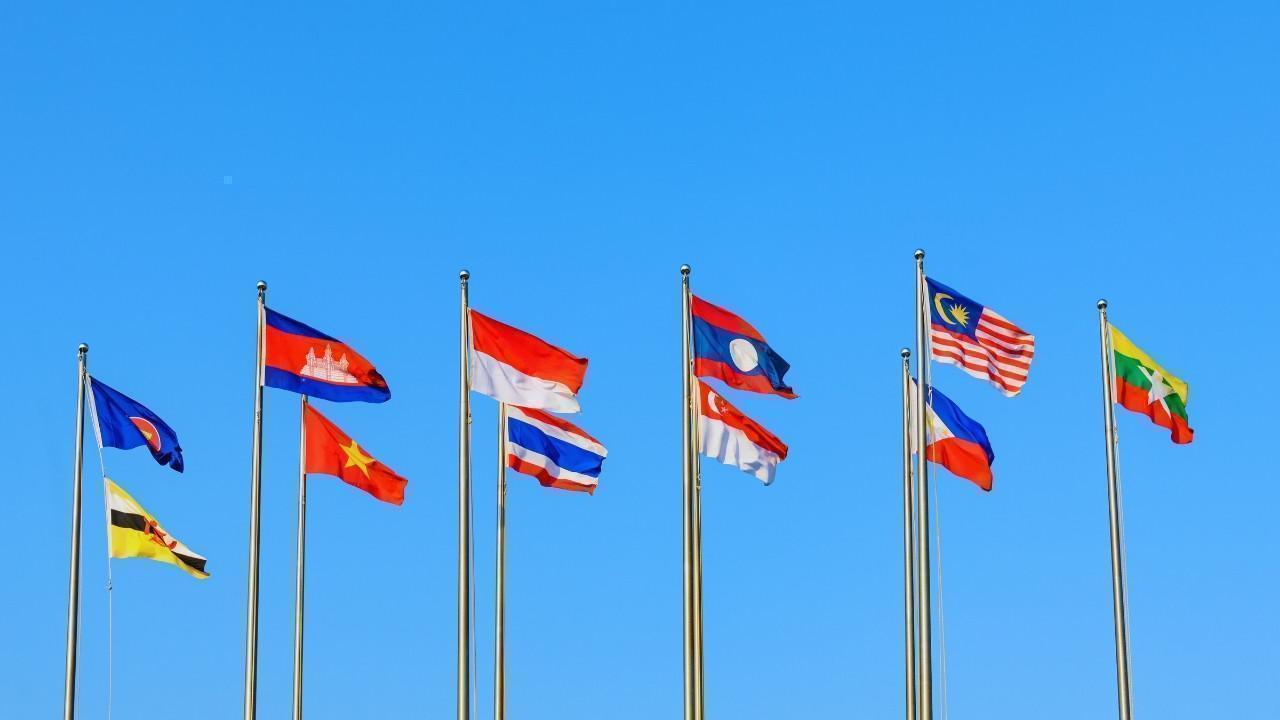
Plastic pollution has become one of the most urgent environmental issues in Southeast Asia, a region home to fast-growing economies, sprawling coastlines, and some of the world’s largest contributors to marine plastic waste. While each country has launched initiatives to curb domestic consumption and waste, the challenge has now spilled across national borders. Plastic waste dumped or mismanaged in one country easily makes its way to neighboring waters, undermining individual efforts. This cross-border nature of the problem has led to increasing calls for collective ASEAN enforcement. Yet, the question remains: is the region truly ready to work as one in confronting this escalating crisis?
Studies estimate that more than half of the world’s plastic entering the ocean originates from just five countries, four of which are in Southeast Asia. Nations like Indonesia, the Philippines, Vietnam, and Thailand continue to struggle with inadequate waste management systems and rising plastic consumption driven by urbanization and e-commerce. Even as these countries pledge reforms, the reality on the ground is complicated.
Plastic debris does not recognize political boundaries. Ocean currents carry it from the Philippines to Malaysia, from Indonesia to Singapore, and beyond. This interconnectedness means that a lack of coordinated regional action makes local policies far less effective, turning plastic pollution into a shared problem that no single nation can solve on its own.
The Association of Southeast Asian Nations has a history of collective approaches to environmental issues, most notably the 2002 ASEAN Agreement on Transboundary Haze Pollution. While this agreement was groundbreaking, enforcement has been inconsistent, and haze episodes continue to disrupt economies and health across the region.
Plastic waste now mirrors the haze crisis in many ways—spreading across borders and affecting millions of people. However, unlike haze, the plastic problem involves global players, since much of the region’s plastic imports and exports are tied to international trade. This makes ASEAN’s task even more complex.
One of the main barriers to a unified ASEAN strategy is the diversity of its member states. Countries differ in their economic development, governance systems, and waste management capacity. For example:
Singapore has advanced waste-to-energy facilities but limited land for disposal.
Indonesia and the Philippines face infrastructure deficits that leave large volumes of plastic uncollected.
Vietnam and Thailand remain heavily dependent on plastic packaging industries that resist strict regulations.
These disparities create difficulties in agreeing on shared policies and enforcement mechanisms. Wealthier countries may push for strict standards, while developing members argue for gradual implementation to protect industries and jobs.
ASEAN countries are not only victims of plastic waste—they are also part of global networks that both import and export it. After China banned foreign plastic waste imports in 2018, Southeast Asia became a dumping ground for waste from developed countries. Malaysia, Vietnam, and Thailand reported massive inflows of contaminated waste shipments.
While several governments have cracked down on illegal imports, weak enforcement and corruption often allow the trade to continue. This raises a pressing question: how can ASEAN enforce collective measures if illegal plastic movements still slip past individual governments?
Despite challenges, there are potential frameworks ASEAN could adapt:
Regional Bans on Single-Use Plastics: Aligning timelines for banning items like plastic straws, bags, and Styrofoam across all member states.
Shared Recycling Infrastructure: Pooling resources to build regional recycling hubs, reducing dependency on imports and exports of waste.
Joint Enforcement Task Forces: Similar to anti-piracy efforts in the Malacca Strait, a coordinated task force could monitor illegal plastic waste shipments.
Extended Producer Responsibility (EPR) at Regional Scale: Multinational corporations operating across Southeast Asia could be held accountable through region-wide EPR systems.
Such measures would strengthen ASEAN’s ability to tackle the issue collectively, but their success hinges on political will and funding.
One of the underappreciated aspects of collective enforcement is public participation. Local communities across Southeast Asia rely heavily on plastics for daily convenience and affordability. Shifting behavior requires widespread education, incentives for alternatives, and community-driven waste collection efforts.
Civil society organizations have already played a major role in exposing illegal dumping sites and pressuring governments into action. Expanding this engagement at a regional level could help hold leaders accountable and ensure enforcement does not remain only on paper.
ASEAN’s experience with the haze crisis shows that while collective agreements can be reached, enforcement is often uneven. Plastic pollution presents an even tougher test, given its ties to global trade and domestic consumer habits. Still, the urgency of the issue means that ASEAN cannot afford to delay.
If ASEAN can commit to binding agreements, invest in shared infrastructure, and establish strong monitoring systems, it has the potential to become a global leader in regional environmental governance. However, if it falls into the trap of vague commitments and weak enforcement, Southeast Asia risks remaining one of the world’s plastic pollution hotspots for decades to come.
This article is intended for informational and educational purposes only. The views expressed are based on current environmental and policy discussions and do not represent the official stance of ASEAN or its member governments.




Jordan Burroughs Returns to Wrestling with 2028 Olympic Dream
Jordan Burroughs returns to wrestling with Real American Freestyle as the Olympic champion eyes a po

Lamborghini Catches Fire on Singapore's ECP, Causing Heavy Traffic
A Lamborghini caught fire on Singapore's ECP, causing heavy traffic and bus delays. No injuries were

Bangkok Airport Duty-Free Area Flooded by Pipe Burst
A burst water pipe flooded the duty-free shopping area at Bangkok's Suvarnabhumi Airport on July 16,
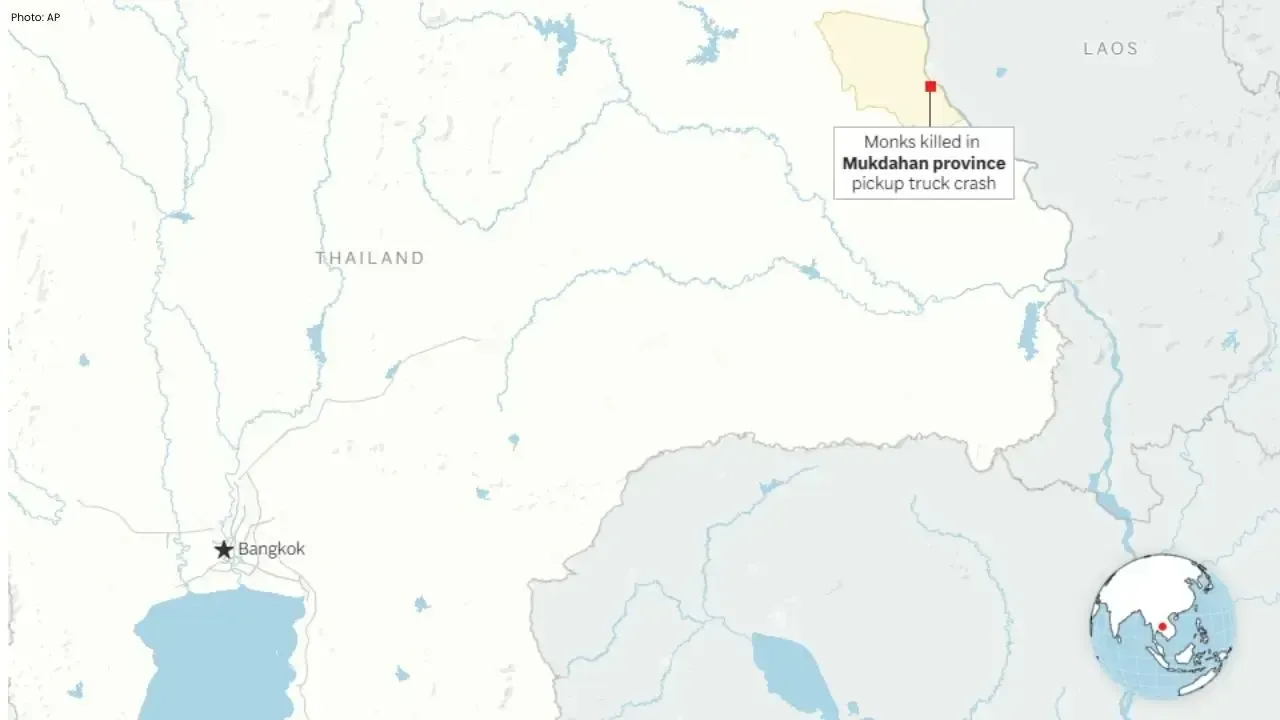
Nine Monks Killed in Thailand Pickup Truck Tragedy
An 11-year-old boy driving a pickup truck crashed into monks during a pilgrimage in northeastern Tha
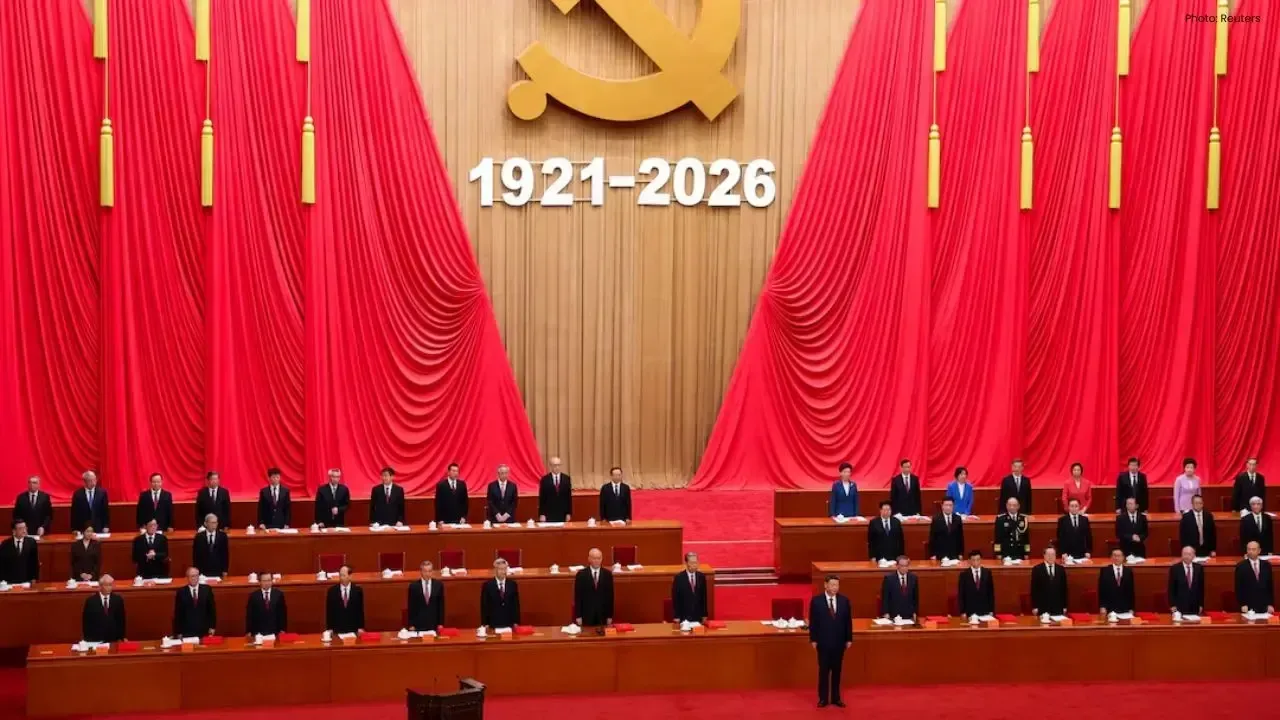
Anwar Congratulates Xi on CPC's 105th Anniversary
Malaysia reaffirms strong ties with China as PM Anwar Ibrahim sends a congratulatory letter to Presi
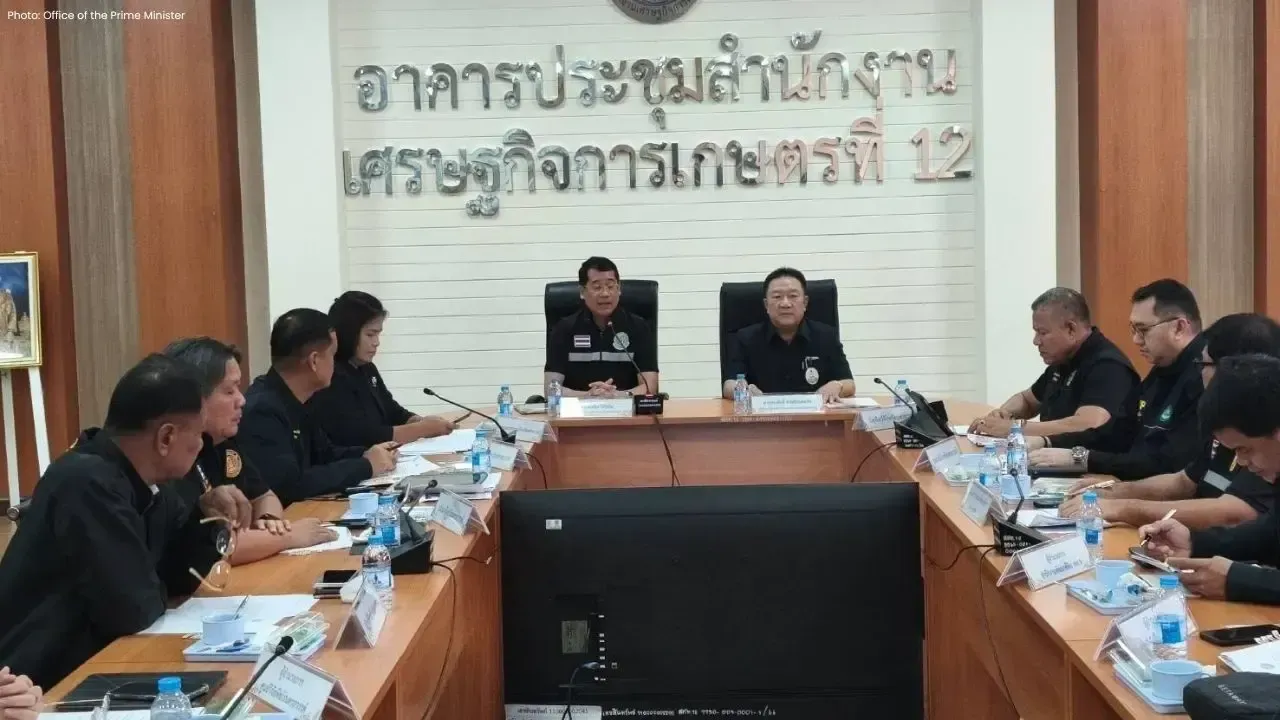
Thai Agriculture Team Reviews 2026 Farm Development Plans
Agriculture Ministry officials inspected livestock and organic rice projects in Nakhon Sawan to moni