You have not yet added any article to your bookmarks!
Join 10k+ people to get notified about new posts, news and tips.
Do not worry we don't spam!
Post by : Anis Farhan
Fitness in 2025 no longer lives solely in gyms or high-end wellness apps. From the muddy trails of Tamil Nadu’s villages to the breezy walkways of suburban Kuala Lumpur, community-driven fitness movements are transforming how people stay active. These hyperlocal wellness trends are organically emerging not from celebrity trainers or billion-dollar brands—but from neighbors, uncles, friends, and homemakers taking charge of their own health in collective, often improvised, ways.
This shift isn’t just about physical exercise. It’s a cultural reawakening that’s redefining how we think about health, social connection, affordability, and shared responsibility. With minimal infrastructure and maximum intent, communities are quietly building a wellness revolution that is more accessible, more relatable, and more sustainable than commercial health fads.
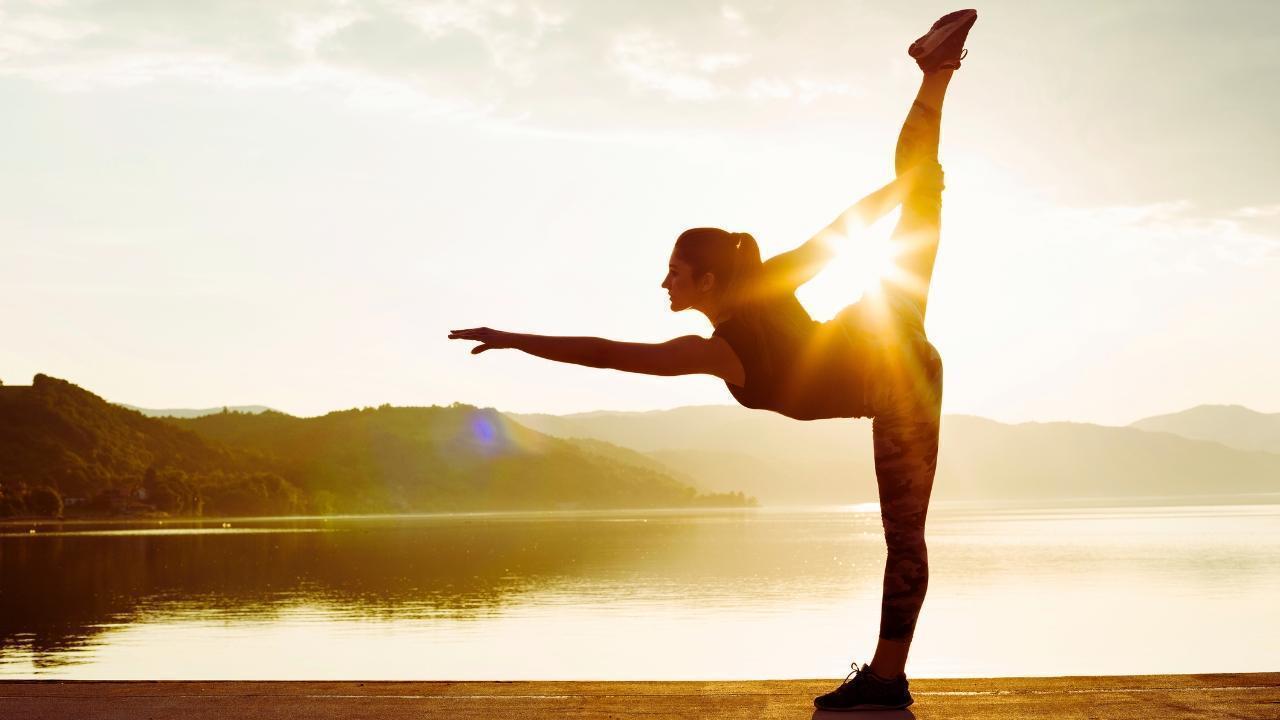
In rural parts of India, Indonesia, and even northern Thailand, yoga is undergoing a revival—not as a spiritual export for the West, but as a community wellness practice grounded in daily life. In many villages, early-morning sessions on temple grounds or schoolyards now attract a steady crowd of farmers, schoolteachers, and elderly residents.
These sessions are often led not by certified instructors but by seasoned practitioners from within the community—those who’ve learned yoga through practice, tradition, and informal mentorship. No one is turned away for lack of mats, gear, or technique. You might see someone stretching on a jute sack, another with a towel, others barefoot on the grass.
What makes it work is consistency and comfort. There’s no pressure to perform. For older residents, it's a way to manage joint pain and stay mobile. For younger ones, it’s a rare digital detox and a chance to reconnect with their roots.
In small towns and Tier‑2 cities like Bhopal, Da Nang, and Malacca, local running groups have begun to form organically. These aren’t marathon chasers or athletic elites—they’re school teachers, delivery workers, accountants, and homemakers who lace up and hit the road every morning before the heat kicks in.
Often, it starts with two or three individuals running together. A neighbor sees them, joins in. Within weeks, it becomes a ten-person group with a shared WhatsApp or Telegram channel. Some even start community events—like Sunday 5Ks or monthly hill climbs, followed by potluck breakfasts or chai meetups.
What’s key here is inclusivity. Pace doesn’t matter. Age doesn’t matter. The joy of shared routine, encouragement, and light-hearted banter keeps people coming back. Some groups use basic fitness bands to track steps; others do it purely by feel. In both cases, it's the social accountability that fuels consistency.
The beauty of community-driven fitness lies in its lack of dependency on commercial structures. You don’t need a gym membership. You don’t need expensive shoes. You don’t even need internet. Many of these groups repurpose public spaces—school grounds, empty lots, temple courtyards, or panchayat buildings—for workouts.
In towns across Kerala, for instance, women’s self-help groups have introduced 20-minute post-lunch stretches at community halls. In parts of Luzon, Philippines, farmers are adding tai chi and deep breathing routines to their break times between ploughing and planting. None of this is monetized or branded. It’s fitness in its rawest, most community-anchored form.
This grassroots approach is especially critical for older citizens or economically vulnerable households who can’t afford fitness gadgets or travel to distant centers. Instead, fitness comes to them—in familiar spaces, among familiar faces.
There’s another subtle but powerful undercurrent to these local fitness trends: community bonding. In a time when digital lives often replace real-world connection, these wellness routines are creating low-stakes, high-impact spaces for genuine human interaction.
Morning runs become therapy sessions. Yoga meetups become mini health camps, where people check in on each other’s blood pressure, food habits, or mental fatigue. In many areas, these groups are also informal support systems—helping members with grocery needs, medical emergencies, or family crises.
Fitness, thus, becomes more than physical. It becomes emotional insurance—something that’s hard to measure in steps or calories but deeply felt.
An inspiring trend is the role of young adults, especially in small towns, who are returning from cities or colleges and reviving wellness habits back home. They organize runs using free fitness apps, download YouTube videos for guided workouts in Hindi, Tamil, or Bahasa, and even coordinate clean-up drives before morning yoga begins.
In Rajasthan’s Chittorgarh, a 23-year-old engineering graduate started a "Sunrise Squad" that combines jogging with weekly blood donation awareness. In East Java, a teen group runs early-morning dance cardio for homemakers using a borrowed speaker and a playlist downloaded on Wi-Fi.
Youth-led enthusiasm ensures these movements aren’t stale or ceremonial. Instead, they’re adaptive, relevant, and buzzing with energy.
This people-powered momentum hasn’t gone unnoticed. In places like Surat, Penang, and Khon Kaen, local municipal bodies have begun to offer basic support—clearing park paths, installing water taps, or simply allowing public schoolyards to be used for fitness at dawn.
In some cases, health departments are collaborating with these informal fitness groups to disseminate nutrition tips, distribute free multivitamins, or promote awareness about diabetes and hypertension. The idea is simple: meet people where they are, rather than pull them into sterile clinics or impersonal campaigns.
These micro-collaborations show that community wellness doesn’t need large-scale investment. What it needs is trust, space, and a little help from the system.
Of course, the movement is not without hurdles. Rainy weather or extreme heat can stall outdoor sessions. Group fatigue or leadership burnout may cause drop-offs. And in more conservative areas, mixed-gender fitness groups sometimes face social resistance.
There are also issues of consistency—some members drop out, schedules clash, and not all groups are equipped to address injuries or health concerns. But even with these imperfections, the overarching trend is promising.
The more communities normalize wellness as a daily collective act, the less intimidating it becomes.
For the average working-class individual who cannot afford a fitness tracker, who doesn’t relate to urban wellness influencers, and who struggles to find time between work and family obligations—this grassroots wave is a lifeline.
It says: "You don’t need to be rich, tech-savvy, or young to be healthy." All you need is a group, a little space, and some momentum.
As more people adopt this mindset, health becomes less of a luxury and more of a collective lifestyle norm—woven into the rhythm of life rather than squeezed between appointments.
In the end, community fitness in 2025 is about more than pushups or calorie burn. It’s about reclaiming public spaces, rebuilding social bonds, and reimagining what health looks like when driven by people, not profit.
And as these groups grow—step by step, stretch by stretch—they aren’t just building stronger bodies. They’re building resilient, connected communities that walk, breathe, and move together toward a better, healthier tomorrow.
This article is based on social observations and fitness patterns emerging across Asia in 2025. The insights reflect informal practices and community-led initiatives and are not intended as medical advice. Consult a healthcare provider for personalized fitness plans.






Lamborghini Catches Fire on Singapore's ECP, Causing Heavy Traffic
A Lamborghini caught fire on Singapore's ECP, causing heavy traffic and bus delays. No injuries were

Bangkok Airport Duty-Free Area Flooded by Pipe Burst
A burst water pipe flooded the duty-free shopping area at Bangkok's Suvarnabhumi Airport on July 16,
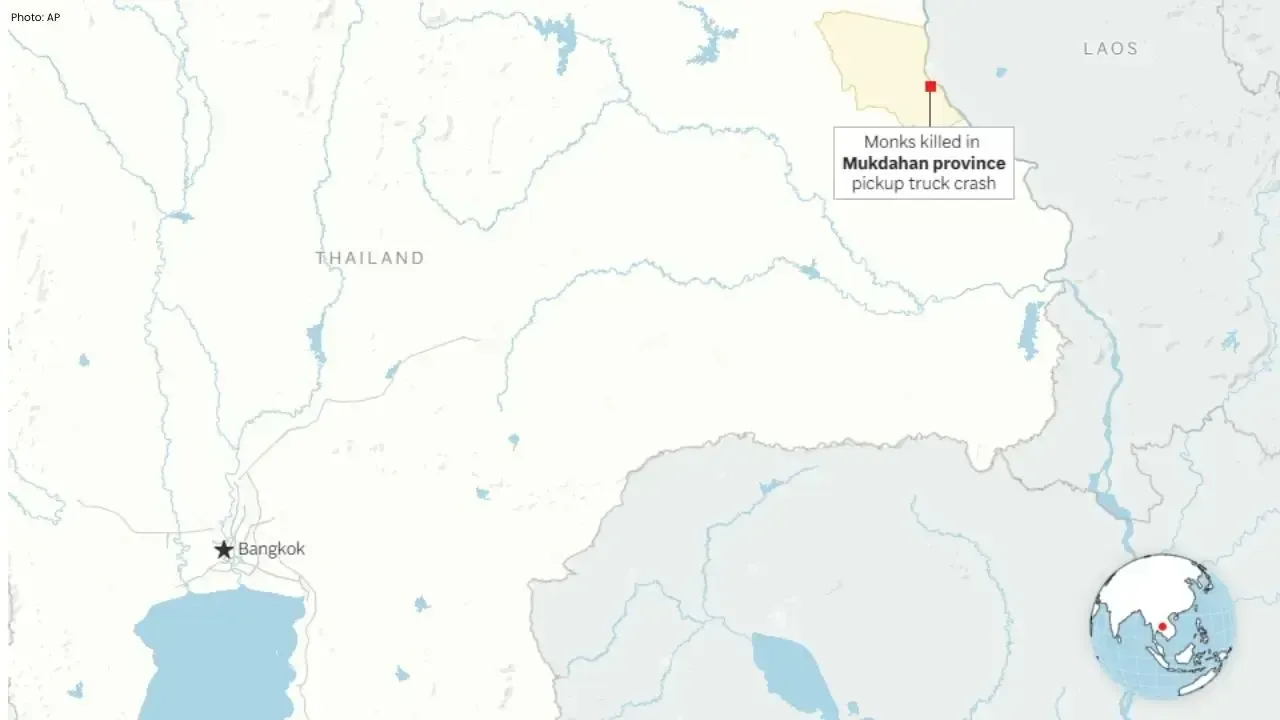
Nine Monks Killed in Thailand Pickup Truck Tragedy
An 11-year-old boy driving a pickup truck crashed into monks during a pilgrimage in northeastern Tha
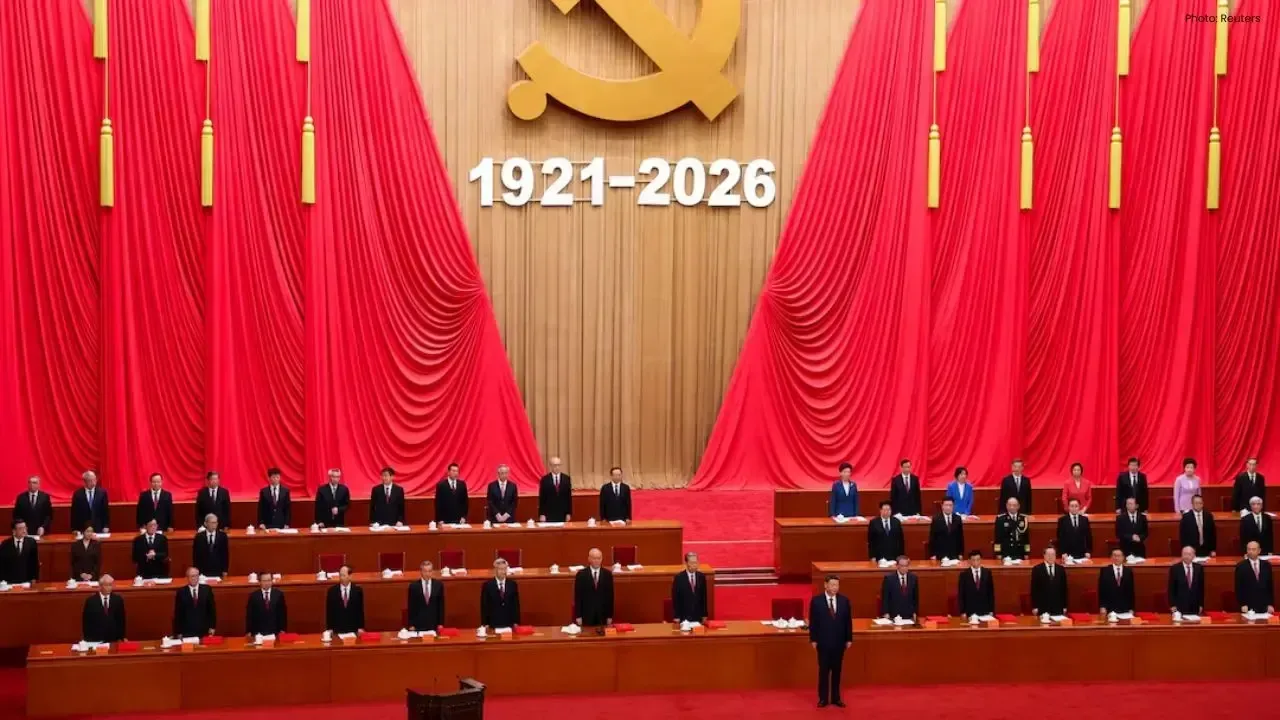
Anwar Congratulates Xi on CPC's 105th Anniversary
Malaysia reaffirms strong ties with China as PM Anwar Ibrahim sends a congratulatory letter to Presi
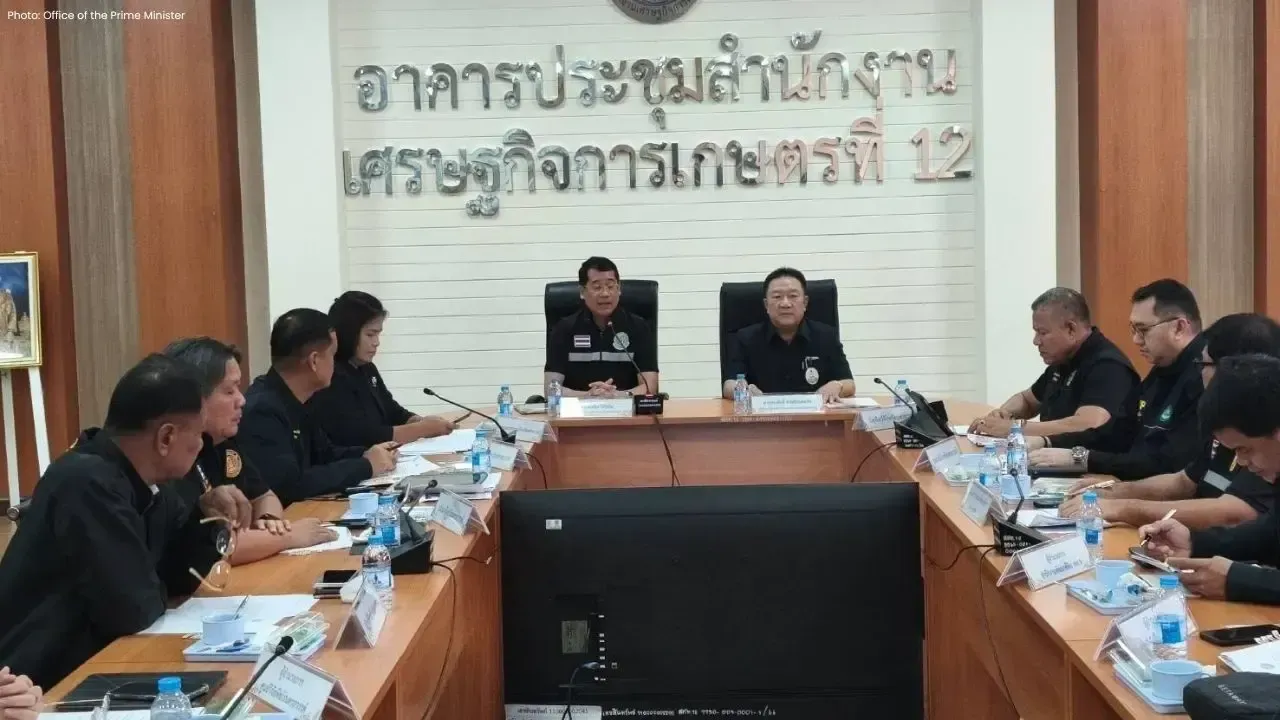
Thai Agriculture Team Reviews 2026 Farm Development Plans
Agriculture Ministry officials inspected livestock and organic rice projects in Nakhon Sawan to moni
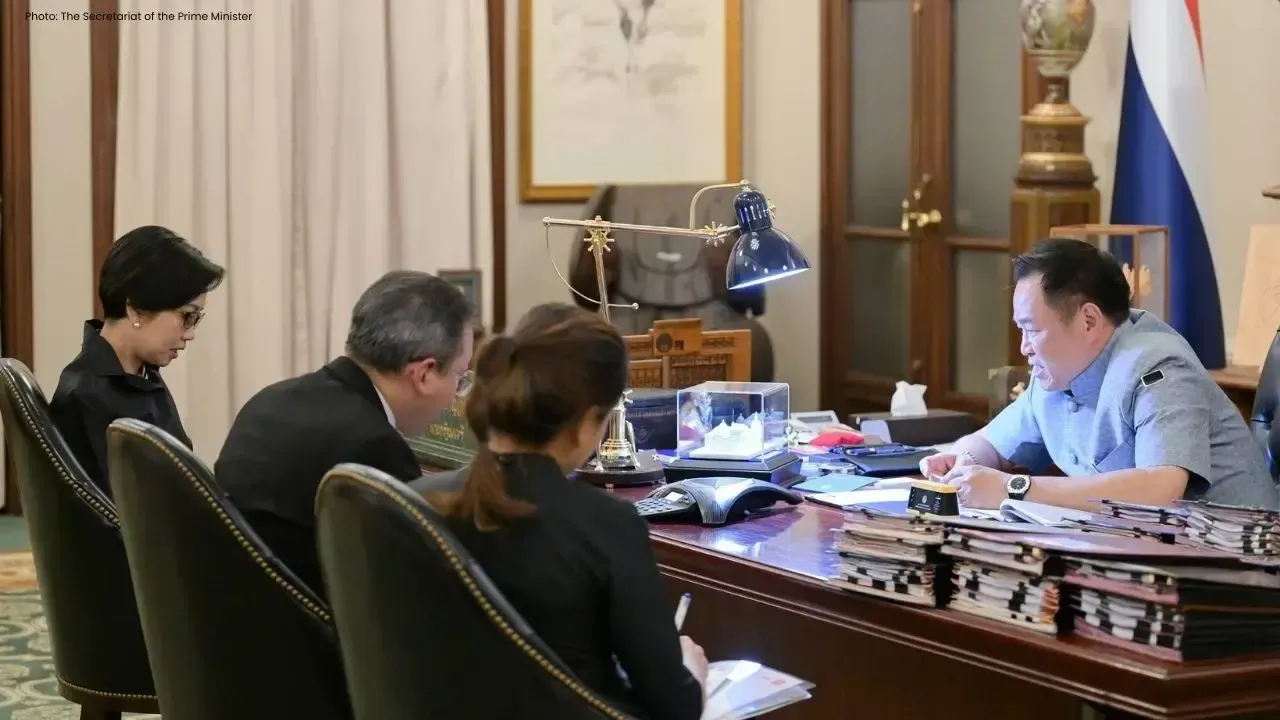
Thailand, Canada Boost Ties in PM-Level Phone Talks
Thailand and Canada agreed to strengthen trade, security, OECD cooperation and ASEAN-Canada FTA talk