
You have not yet added any article to your bookmarks!
Join 10k+ people to get notified about new posts, news and tips.
Do not worry we don't spam!
Post by : Rameen Ariff
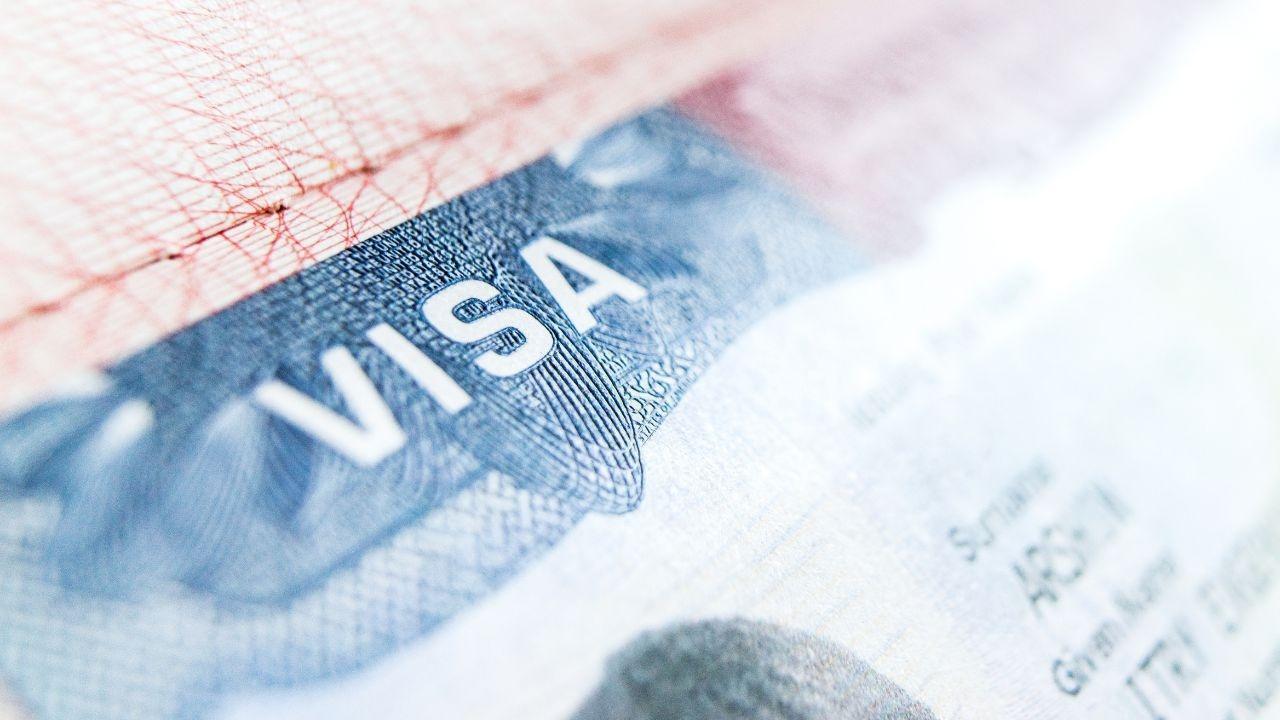
Beijing has launched its innovative K-visa program, strategically designed to bring in global science and technology experts to bolster its competitiveness against the United States. This initiative, which debuted last month, forms part of China's larger agenda to enhance its prowess in high-tech sectors, including artificial intelligence, robotics, and semiconductors.
The K-visa, often likened to the US H-1B visa, allows foreign talent to work in China without needing a job offer beforehand, marking a significant shift in existing visa regulations. This effort comes as the US tightens immigration policies, raising application fees for H-1B visas and creating uncertainty for many international professionals and students.
Vaishnavi Srinivasagopalan, an Indian IT professional with a background in both India and the United States, has shown interest in the K-visa, stating, “It provides a valuable opportunity for individuals like me to explore work abroad,” regarding the program as a gateway to China's booming tech landscape.
China has historically faced a talent drain, with many skilled individuals opting to remain in the US or Europe after their studies. With the K-visa's introduction, Beijing aims to attract engineers, AI experts, and researchers to address significant shortages within its domestic labor market.
Nonetheless, the initiative has ignited discussions domestically. Youth unemployment rates among those aged 16-24 are nearly 18% (not accounting for students), causing concerns among local job seekers who fear that an influx of foreign talent could exacerbate competition in an already constrained market. State-affiliated media, however, contend that foreign professionals will enhance local talent rather than replace it, spurring economic development and innovation.
Foreign applicants will still contend with challenges such as understanding China's language demands and navigating internet censorship restrictions. However, the K-visa has garnered notable attention from individuals in India and Southeast Asia, underscoring China's strengthening position as a technology destination.
Experts suggest that while the K-visa boosts China's strategy for attracting global talent, the US still presents a formidable challenge due to its extensive research infrastructure, dominant English language use, and better-defined paths to residency. Analysts believe China will need to offer more incentives beyond just visa policies to genuinely rival the American tech landscape.
The introduction of the K-visa marks a bold move by China towards securing international talent, demonstrating Beijing's commitment to closing its skills gap and enhancing its competitive edge in global technological innovation.










PM Modi Pays Tribute to Mahatma Gandhi, Urges People to Support Khadi
PM Modi pays tribute to Mahatma Gandhi on Gandhi Jayanti and urges citizens to support Khadi and the

Amazon Seeks to Offload $8 Billion in Nvidia Chips to Investors
Amazon plans to move $8 billion in Nvidia chips to investors, using a new financing model to strengt

Samsung Raises Galaxy S26 Prices as Memory Chip Costs Rise
Samsung raises Galaxy S26 prices in South Korea as rising memory chip costs put pressure on smartpho

Lewis Hamilton Calls Singapore Grand Prix One of F1's Toughest Races
Lewis Hamilton discusses the demanding Singapore Grand Prix and brings Plus44 and Almave to Singapor

Denmark's Pandora Opens World's Largest Jewellery Factory in Vietnam
Pandora opens its largest jewellery factory in Vietnam, expanding global production, strengthening s

Gautam Gambhir Questions Batting-Friendly Pitches After India's Record ODI Chase
Gautam Gambhir questions batting-friendly ODI pitches after India’s record chase, calling for a bett

