You have not yet added any article to your bookmarks!
Join 10k+ people to get notified about new posts, news and tips.
Do not worry we don't spam!
Post by : Anis Farhan
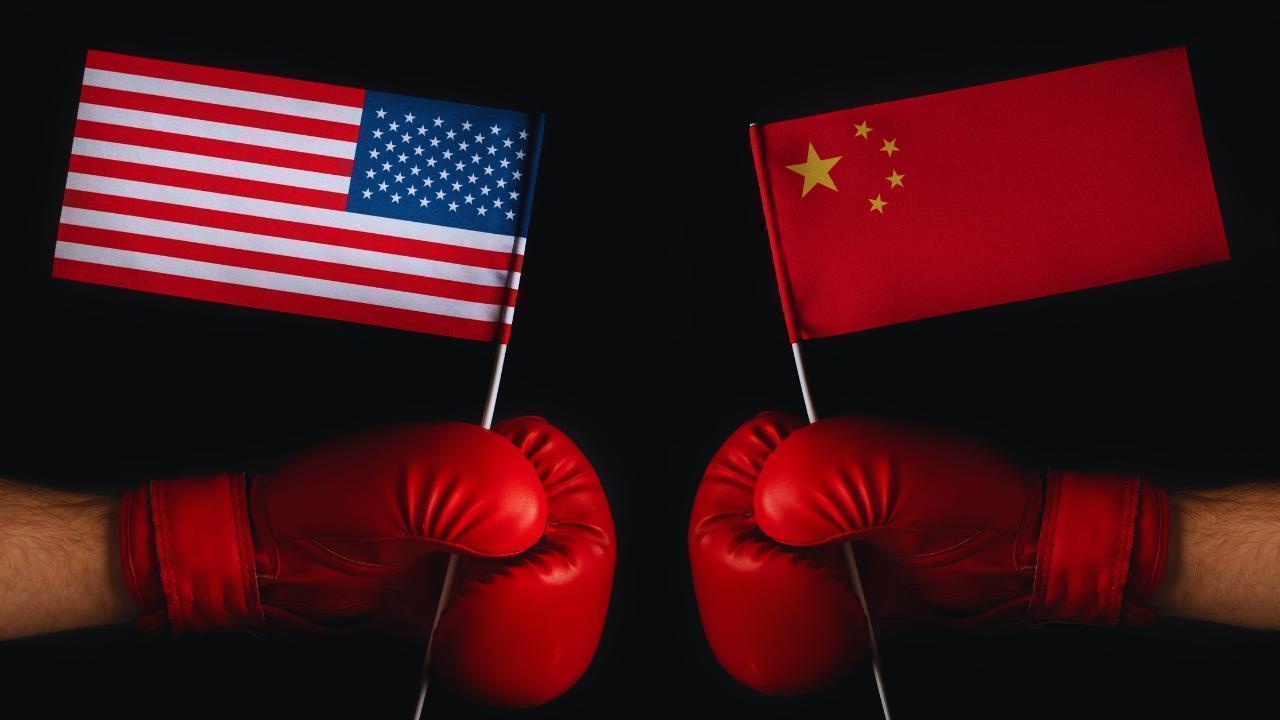
In a notable pivot from its once combative diplomatic stance, China is now on a full-fledged charm offensive. Whether it’s reopening lines of communication with Western powers, extending economic overtures to the Global South, or presenting itself as a global stabilizer in turbulent times, Beijing is rebranding. This recalibration comes amid mounting global trade friction, sluggish post-pandemic recovery, and increased scrutiny of China's economic practices. With stakes rising and global sentiment shifting, Beijing’s new tone marks a significant transformation in its foreign policy approach.
The fallout from the U.S.-China trade war left lasting scars on international markets, global supply chains, and bilateral trust. Tariff battles and tech decoupling led to a sharp downturn in trade volume between the two largest economies. But now, Beijing seems ready to rebuild. With a softened rhetoric and deliberate economic engagements, Chinese leaders have resumed high-level talks with Washington, signaling an intent to reduce friction without conceding core national interests. This recalibration is driven not only by economic pragmatism but also by the pressing need to revive investor confidence amid a slowing domestic economy.
One of the cornerstones of China’s new diplomatic push is its renewed investment in soft power. This involves a multifaceted strategy—from hosting cultural festivals and language programs to actively participating in global summits with a cooperative tone. Beijing’s diplomats are now echoing themes of mutual respect, peaceful development, and shared growth—language noticeably absent during previous years of "wolf warrior diplomacy." China’s state media outlets have also toned down nationalistic messaging, focusing more on global unity, climate cooperation, and development.
Relations with the European Union had hit a low point due to China's stance on Russia’s invasion of Ukraine and concerns about human rights in Xinjiang and Hong Kong. But recent months have seen a deliberate reset. Chinese Premier Li Qiang’s recent visits to Berlin and Paris focused heavily on rebuilding trade links, securing investment, and reassuring Europe about China’s long-term intentions. These meetings were accompanied by business forums and cultural exchanges designed to portray China as a stable partner, not a geopolitical rival. While underlying tensions persist, the shift in tone has been welcomed in parts of Europe dealing with their own economic headwinds.
Amid heightened rivalry with the West, China is intensifying efforts to deepen ties with Southeast Asian nations. From infrastructure investments under the Belt and Road Initiative (BRI) to digital and energy cooperation, Beijing is keen to cement its influence in the region. Diplomatic visits to Indonesia, Malaysia, and Thailand have seen renewed pledges of development assistance and regional security dialogues. These efforts are designed not only to counterbalance U.S. influence in Asia but also to stabilize crucial trade corridors and manufacturing hubs as China faces domestic production challenges.
Beyond political diplomacy, Beijing is targeting international businesses with promises of market access and regulatory reforms. Foreign direct investment has slumped recently amid fears of regulatory crackdowns and geopolitical risks. In response, Chinese authorities have rolled out incentives for tech firms, streamlined customs policies, and promised to enhance intellectual property protections. Global tech and automobile companies—once cautious—are slowly reconsidering their positions as China signals a return to business pragmatism. This economic diplomacy is not just about money—it’s a central pillar of China’s broader charm strategy.
Another significant component of China’s diplomatic overhaul is its reengagement with multilateral institutions. Recent speeches by Chinese delegates at the United Nations, World Economic Forum, and BRICS summits have emphasized cooperation over confrontation. Beijing is also pushing to elevate the BRICS bloc into a more formidable alternative to Western-led institutions like the G7. While its call for a multipolar world is not new, the framing has shifted—from asserting dominance to seeking partnerships. This softer tone is particularly resonant among developing nations looking for alternatives in global governance.
China’s shifting diplomatic posture isn’t just about global optics—it’s rooted in domestic economic pressures. Sluggish consumption, youth unemployment, and a troubled property sector have forced Beijing to look outward. Restoring international trade, attracting foreign investment, and avoiding further isolation are now economic imperatives. Leaders in Beijing understand that external stability is vital to managing internal challenges. Thus, the charm offensive is also a signal to domestic stakeholders that the country is not on a collision course with the world.
While Beijing is softening its stance on many fronts, Taiwan remains a red line. Any perceived move by foreign governments to support Taiwanese independence is still met with sharp rebukes. However, even here, tone matters. Recent statements from Chinese officials suggest a desire to reduce tensions and maintain the status quo—albeit firmly within the One China framework. Cross-strait business ties continue, and indirect dialogues through cultural and economic exchanges remain intact. It’s a delicate balancing act, but China appears more interested in stability than provocation—for now.
China’s charm offensive also involves careful management of global perception. International journalists are being granted selective access, while foreign influencers are being invited to promote positive stories about China. Simultaneously, state media has been told to reduce sensationalism and align narratives with diplomatic objectives. Social media platforms like TikTok, often criticized for opaque moderation policies, are also being deployed to shape international opinion subtly. It’s a digital soft power game, and Beijing is playing it with renewed sophistication.
Despite this renewed push, China’s charm offensive faces real limitations. Trust deficits, unresolved conflicts, and competing geopolitical interests mean that many countries will engage cautiously. The legacy of past aggression lingers, and economic enticements may not override political concerns. Moreover, Washington’s stance remains largely skeptical, with bipartisan U.S. consensus viewing China more as a strategic competitor than a cooperative partner. For China’s diplomatic pivot to truly succeed, actions will need to back the rhetoric consistently over time.
China’s global image has taken a beating in recent years. From pandemic fallout to security crackdowns in Hong Kong and aggressive rhetoric, rebuilding trust is a long-term project. But the new diplomatic tone—if sustained—marks a strategic attempt at narrative repair. The charm offensive is not about abandoning China’s core interests. Rather, it’s about making those interests more palatable to the world. If Beijing can maintain this balance between strength and civility, it could restore its global influence in a more stable and constructive manner.
This article is intended for informational purposes only and does not reflect any political endorsement or bias. All facts presented are based on current public knowledge and verified open-source information as of the date of writing.







Lamborghini Catches Fire on Singapore's ECP, Causing Heavy Traffic
A Lamborghini caught fire on Singapore's ECP, causing heavy traffic and bus delays. No injuries were

Bangkok Airport Duty-Free Area Flooded by Pipe Burst
A burst water pipe flooded the duty-free shopping area at Bangkok's Suvarnabhumi Airport on July 16,
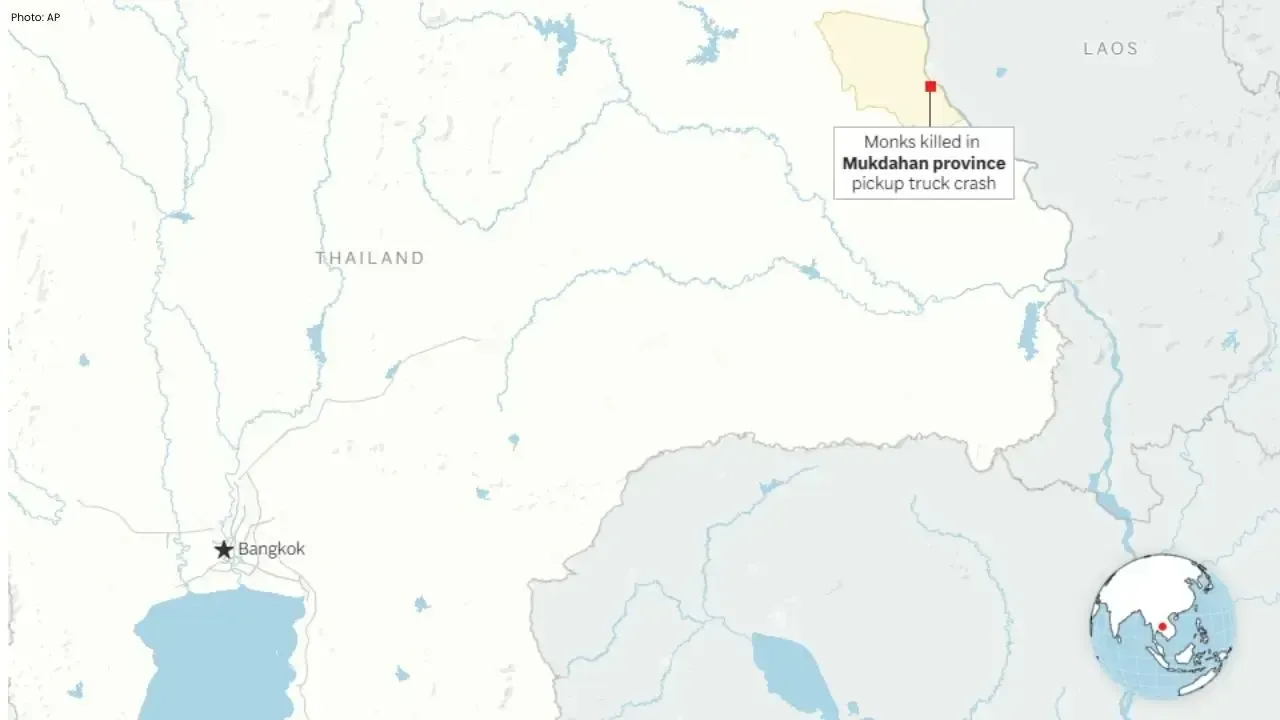
Nine Monks Killed in Thailand Pickup Truck Tragedy
An 11-year-old boy driving a pickup truck crashed into monks during a pilgrimage in northeastern Tha
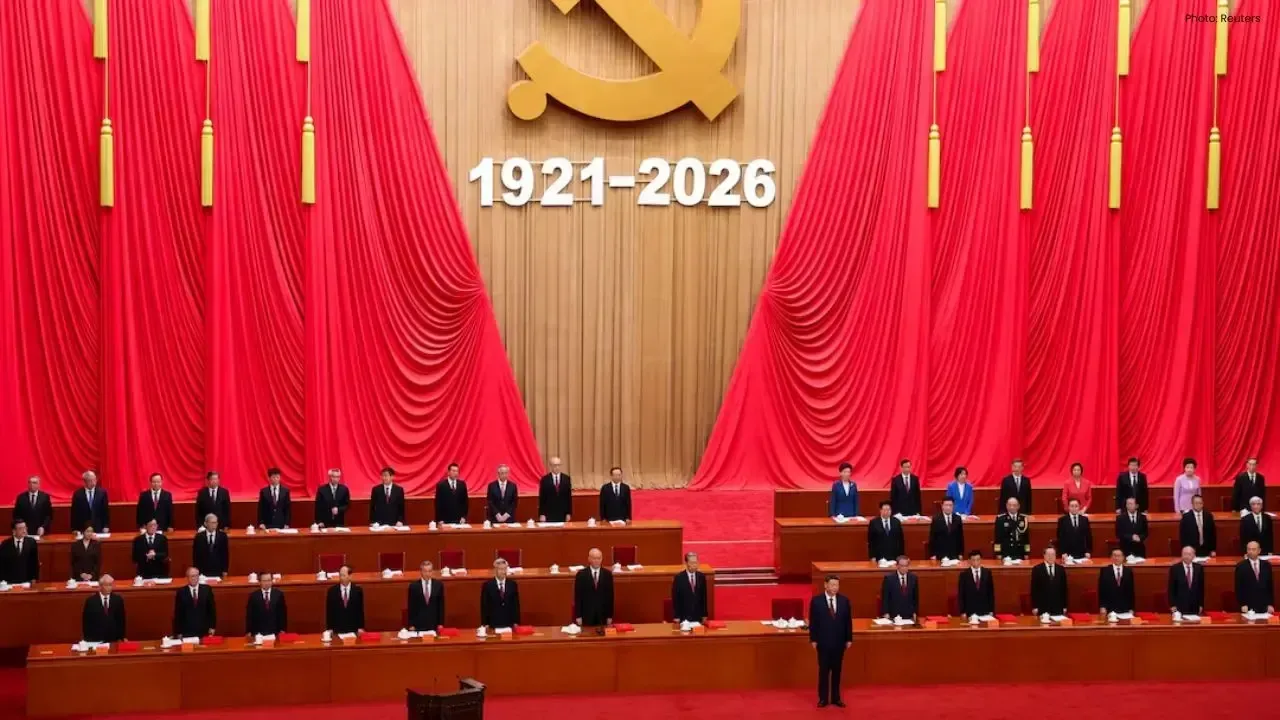
Anwar Congratulates Xi on CPC's 105th Anniversary
Malaysia reaffirms strong ties with China as PM Anwar Ibrahim sends a congratulatory letter to Presi
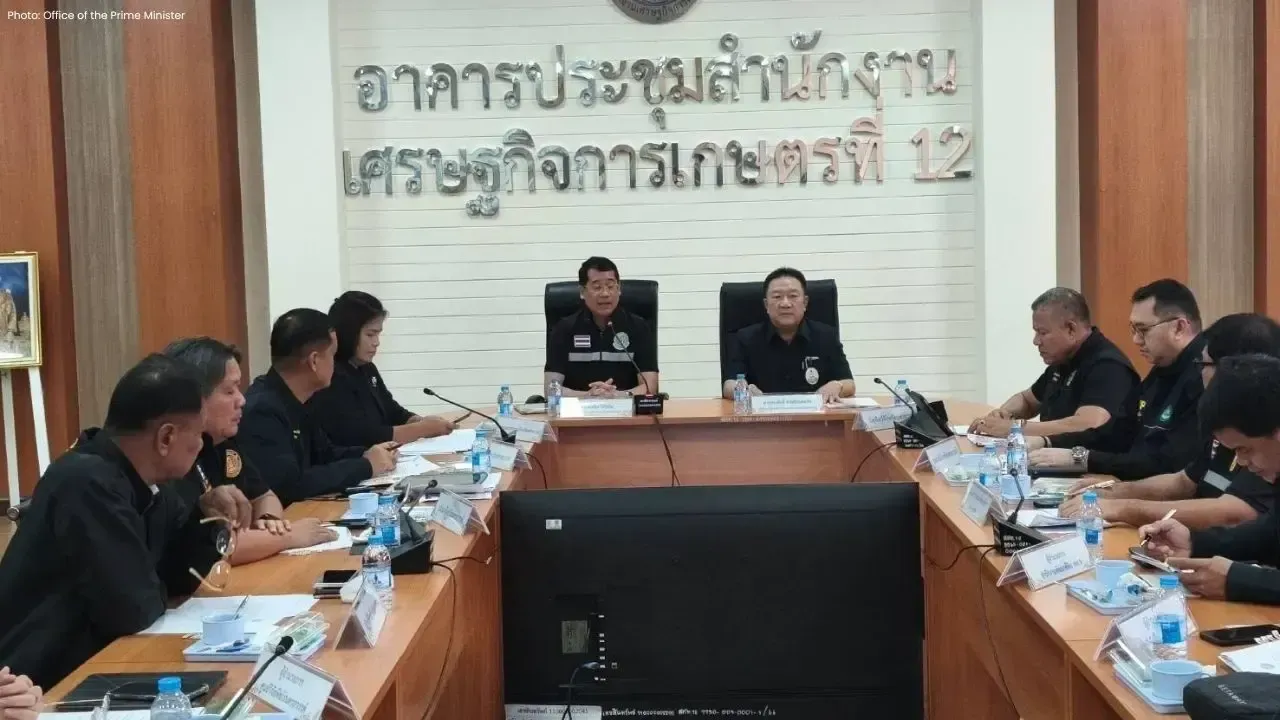
Thai Agriculture Team Reviews 2026 Farm Development Plans
Agriculture Ministry officials inspected livestock and organic rice projects in Nakhon Sawan to moni
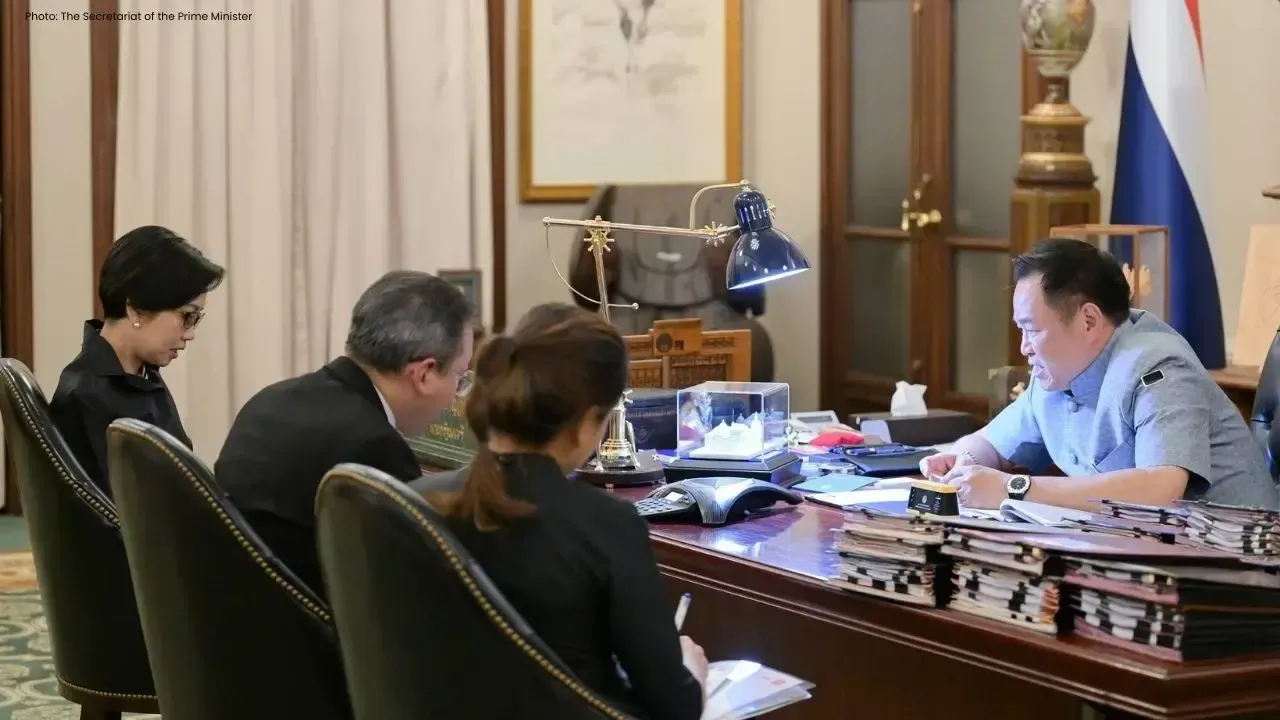
Thailand, Canada Boost Ties in PM-Level Phone Talks
Thailand and Canada agreed to strengthen trade, security, OECD cooperation and ASEAN-Canada FTA talk