You have not yet added any article to your bookmarks!
Join 10k+ people to get notified about new posts, news and tips.
Do not worry we don't spam!

Post by : Meena Ariff
In a significant diplomatic response, China has delayed the release of multiple Japanese films in its mainland cinemas, following remarks made by Japanese Prime Minister Sanae Takaichi regarding Taiwan. This decision comes in the wake of heightened tensions between the two countries, marking a notable clash in recent times.
The films impacted include titles like Crayon Shin-chan the Movie: Super Hot! Scorching Kasukabe Dancers and Cells at Work!, which were set to hit theaters shortly. Additionally, the animated blockbuster Demon Slayer: Infinity Castle has witnessed a drop in box office revenue, as Chinese audiences express their dissatisfaction. Distributors cited audience sentiment and market reactions as vital reasons for postponing these releases.
The situation escalated when Takaichi stated that a potential Chinese military action against Taiwan could threaten Japan's security, potentially triggering a military response from Tokyo. In light of these statements, Beijing urged its citizens to refrain from traveling to Japan, while Premier Li Qiang announced he would not engage in talks with Takaichi at the forthcoming G20 summit in South Africa.
Japanese business leaders are now voicing concerns about the economic consequences of this diplomatic strife. Leaders from Japan's three major business federations met with Takaichi, emphasizing the necessity of dialogue to defuse tensions. Yoshinobu Tsutsui, head of Japan's largest business federation, Keidanren, pointed out that "political stability is essential for economic exchange," warning that ongoing disputes could disrupt trade and investments between the nations.
Experts suggest that the decision to delay Japanese films in China highlights how quickly geopolitical tensions can affect cultural and economic relations. Japan is keen on mitigating the dispute, reiterating the importance of diplomatic dialogue to uphold stable relations.
This scenario illustrates the fragile dynamics in East Asia, where security apprehensions regarding Taiwan intersect with significant economic and cultural partnerships. For Japan's entertainment sector, China is a crucial market, and the postponement of these essential film releases could result in considerable financial repercussions. Observers anticipate that the forthcoming diplomatic interactions between Tokyo and Beijing will significantly impact the future release schedules of the delayed films.






Lamborghini Catches Fire on Singapore's ECP, Causing Heavy Traffic
A Lamborghini caught fire on Singapore's ECP, causing heavy traffic and bus delays. No injuries were

Bangkok Airport Duty-Free Area Flooded by Pipe Burst
A burst water pipe flooded the duty-free shopping area at Bangkok's Suvarnabhumi Airport on July 16,
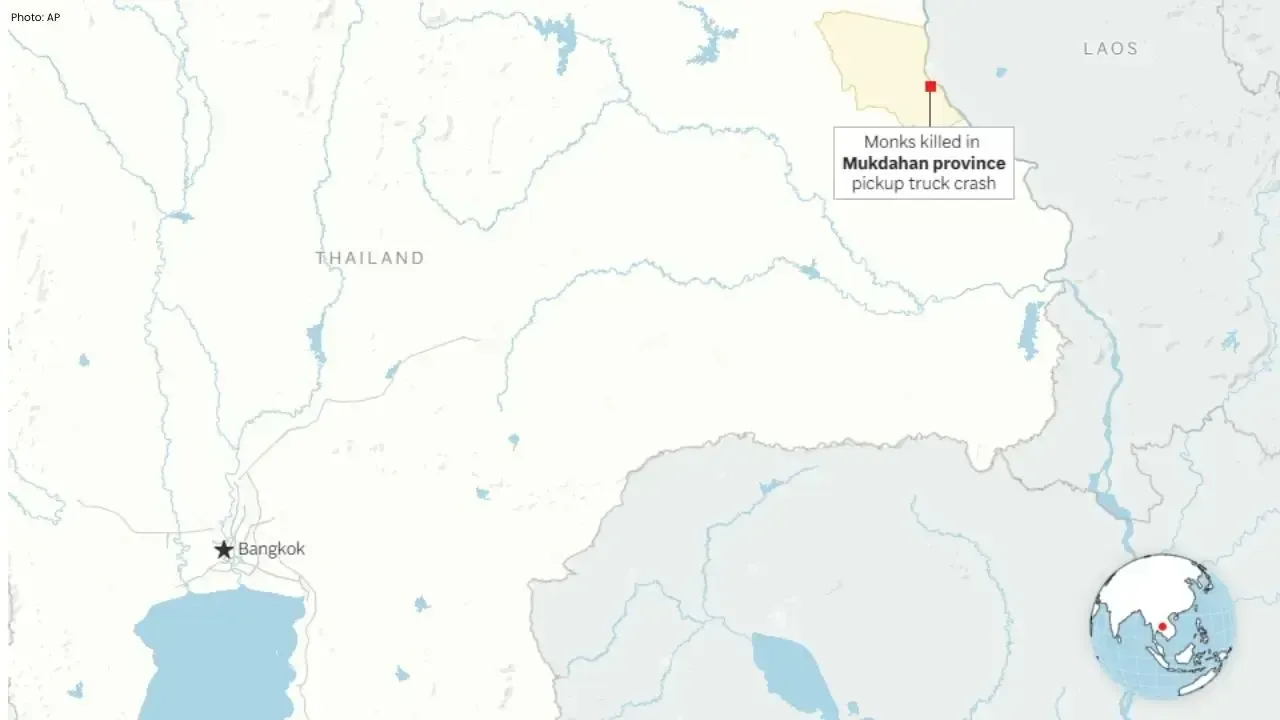
Nine Monks Killed in Thailand Pickup Truck Tragedy
An 11-year-old boy driving a pickup truck crashed into monks during a pilgrimage in northeastern Tha
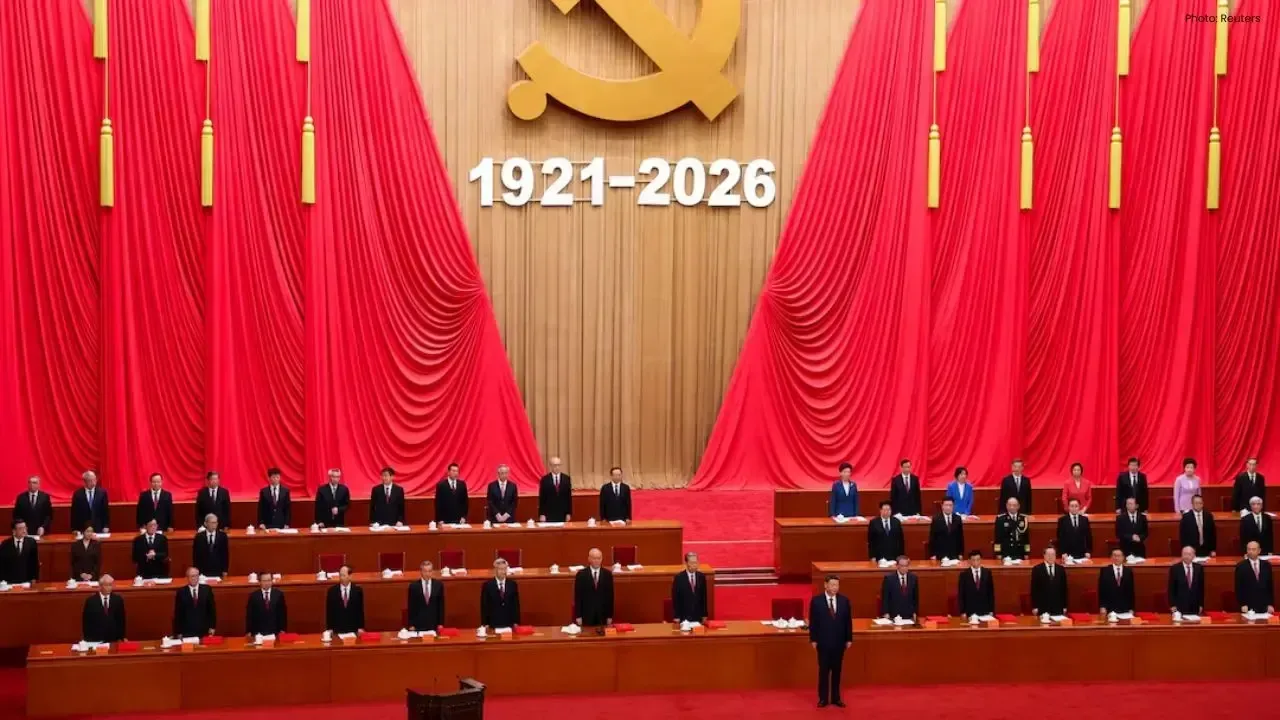
Anwar Congratulates Xi on CPC's 105th Anniversary
Malaysia reaffirms strong ties with China as PM Anwar Ibrahim sends a congratulatory letter to Presi
Thai Agriculture Team Reviews 2026 Farm Development Plans
Agriculture Ministry officials inspected livestock and organic rice projects in Nakhon Sawan to moni

Thailand, Canada Boost Ties in PM-Level Phone Talks
Thailand and Canada agreed to strengthen trade, security, OECD cooperation and ASEAN-Canada FTA talk