You have not yet added any article to your bookmarks!
Join 10k+ people to get notified about new posts, news and tips.
Do not worry we don't spam!
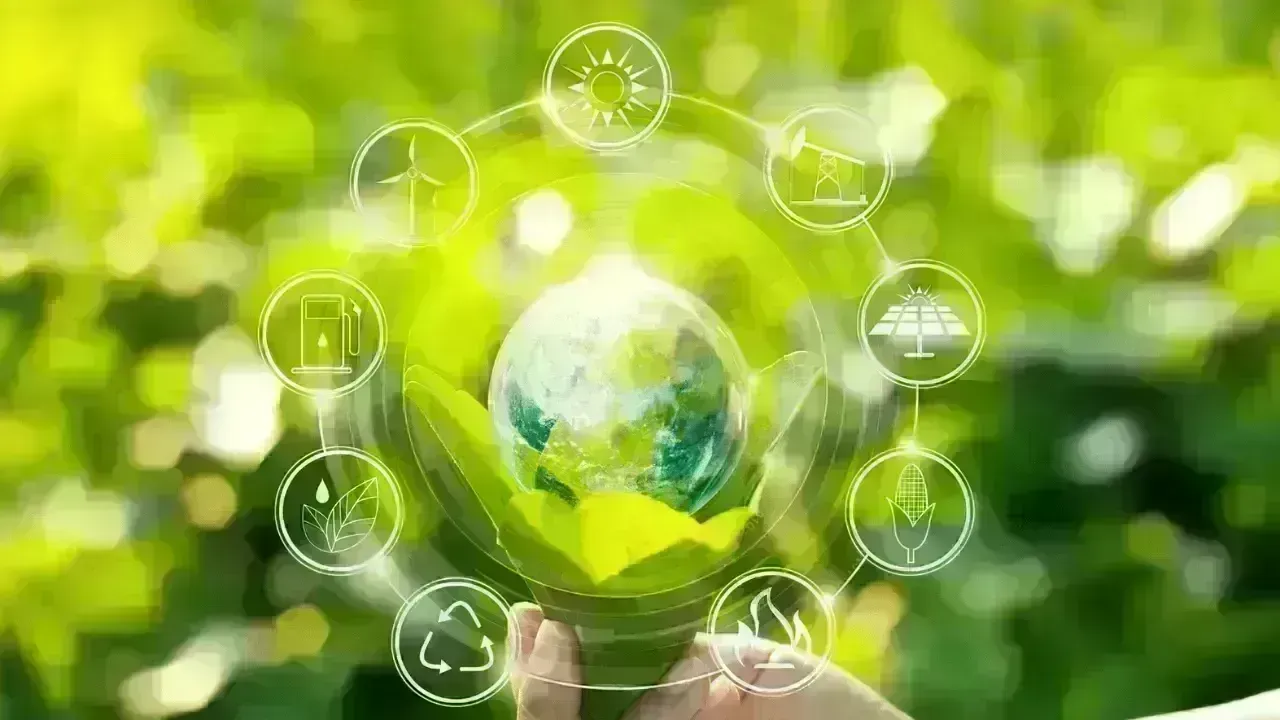
Post by : Anis Farhan
The world is approaching a critical environmental crossroads. Rising global temperatures, extreme weather events, biodiversity loss, and resource depletion are no longer abstract warnings but lived realities. In response, sustainable technology has moved from the fringes of innovation to the centre of global policy, investment, and public conversation. What makes the current moment unique is the convergence of scientific progress, political urgency, and consumer demand, creating conditions where transformative solutions can scale faster than ever before.
Sustainable technology today goes beyond solar panels and recycling. It includes intelligent energy systems, carbon-negative materials, climate-resilient agriculture, and digital tools that help industries measure and reduce environmental impact. These innovations are not just about reducing harm; they aim to redesign how societies produce energy, grow food, build cities, and move people. Collectively, they offer a realistic pathway to slowing climate change while supporting economic growth.
The shift away from fossil fuels remains the cornerstone of climate action. Renewable energy has grown rapidly, but recent breakthroughs are addressing long-standing challenges such as intermittency, storage, and grid stability.
Solar power technology has become significantly more efficient through advances in perovskite solar cells, which can capture more sunlight than traditional silicon panels. These next-generation cells are lighter, cheaper to produce, and adaptable to flexible surfaces, opening possibilities for solar-integrated buildings and infrastructure. Wind energy has also evolved, with offshore floating turbines enabling power generation in deeper waters where winds are stronger and more consistent.
Energy storage has emerged as the missing link in renewable adoption. New battery chemistries, including sodium-ion and solid-state batteries, promise longer lifespans, faster charging, and reduced dependence on scarce minerals. These innovations allow renewable energy to be stored and deployed when needed, reducing reliance on coal and gas during peak demand.
Some sectors, such as steel, cement, shipping, and aviation, are difficult to electrify. Green hydrogen is increasingly viewed as a breakthrough solution for these hard-to-abate industries. Produced by splitting water using renewable electricity, green hydrogen generates no carbon emissions during production or use.
Industrial pilots across Europe, Asia, and the Middle East are already using hydrogen to replace coal in steelmaking and fossil fuels in chemical production. As electrolyser technology becomes cheaper and more efficient, green hydrogen could play a crucial role in decarbonising global supply chains. Beyond industry, hydrogen also holds potential for long-distance transport and seasonal energy storage, making it a versatile tool in the clean energy transition.
Even with rapid decarbonisation, existing emissions continue to warm the planet. This reality has accelerated interest in carbon capture and removal technologies designed to extract carbon dioxide from industrial sources or directly from the atmosphere.
Direct air capture facilities use chemical processes to absorb carbon dioxide, which can then be stored underground or reused in products such as building materials and synthetic fuels. While still expensive, costs are falling as technology improves and investment increases. Meanwhile, carbon-utilising concrete and cement technologies are turning emissions into assets by permanently locking carbon into construction materials.
Nature-based solutions are also being enhanced by technology. Advanced monitoring systems now help manage large-scale reforestation, mangrove restoration, and soil carbon projects, ensuring long-term carbon storage and ecological benefits. Together, these approaches acknowledge that cutting emissions alone may not be enough and that removing existing carbon is essential.
Material production is a major source of global emissions and pollution. Breakthroughs in sustainable materials aim to replace carbon-intensive processes with cleaner alternatives while maintaining performance and affordability.
Bio-based plastics derived from algae, agricultural waste, and plant starches are reducing dependence on petroleum-based plastics. Unlike traditional plastics, many of these materials are biodegradable or fully recyclable, addressing both climate and waste challenges. In construction, low-carbon steel and alternative cement formulations are cutting emissions from one of the world’s most polluting industries.
Innovations in textile manufacturing are also reshaping fashion and apparel. Lab-grown leather, recycled fibres, and waterless dyeing technologies are reducing environmental damage while responding to consumer demand for ethical products. These changes demonstrate how sustainability can be embedded across entire value chains.
Food production accounts for a significant share of global emissions, water use, and land degradation. Sustainable technology is now transforming how food is grown, distributed, and consumed.
Precision agriculture uses sensors, satellite imagery, and artificial intelligence to optimise irrigation, fertiliser use, and crop health. By applying resources only where needed, farmers can increase yields while reducing environmental impact. Vertical farming and controlled-environment agriculture are enabling food production in urban areas with minimal land and water use.
Alternative proteins represent another major breakthrough. Plant-based meats, fermentation-derived proteins, and cultivated meat grown from animal cells aim to reduce reliance on livestock, a major source of methane emissions. As these products improve in taste and affordability, they could significantly lower the climate footprint of global diets.
Cities are responsible for the majority of global emissions, making urban innovation critical to climate solutions. Smart city technologies integrate data, sensors, and automation to reduce energy consumption and improve quality of life.
Energy-efficient buildings equipped with smart heating, cooling, and lighting systems can dramatically cut emissions. Urban mobility is also changing through electric public transport, shared mobility platforms, and infrastructure designed for walking and cycling. Digital traffic management systems reduce congestion and fuel waste by optimising vehicle flow in real time.
Water management technologies are helping cities adapt to climate stress. Smart leak detection, wastewater recycling, and desalination powered by renewable energy are improving water security in regions facing scarcity. These urban solutions demonstrate how sustainability and livability can advance together.
Artificial intelligence has emerged as a powerful enabler of sustainable technology. AI systems analyse vast amounts of environmental data, helping governments and companies make faster, more informed decisions.
In energy systems, AI predicts demand patterns, balances grids with high renewable penetration, and identifies efficiency opportunities. In climate science, machine learning models improve weather forecasting and climate risk assessment, supporting disaster preparedness and resilience planning.
AI is also being used to track deforestation, monitor wildlife populations, and measure corporate emissions with greater accuracy. By turning data into actionable insights, artificial intelligence accelerates the impact of sustainability initiatives across sectors.
Technological breakthroughs alone are not enough. Scaling sustainable solutions requires massive investment, supportive policies, and global cooperation. Green finance has expanded rapidly, with climate-focused funds, sustainability-linked bonds, and impact investing channels directing capital toward clean technologies.
Governments play a crucial role through regulations, incentives, and public-private partnerships. Carbon pricing, renewable energy targets, and emissions standards help create markets where sustainable technologies can compete and thrive. International collaboration is equally important, as climate challenges and solutions cross national borders.
Public awareness and consumer choice also influence scale. As individuals increasingly prioritise sustainability, businesses are responding with cleaner products and transparent practices, reinforcing the momentum for change.
Despite remarkable progress, sustainable technology faces significant obstacles. High upfront costs, supply chain constraints, and unequal access to innovation threaten to slow adoption, particularly in developing regions. There are also concerns about unintended consequences, such as mining impacts for battery materials and land use conflicts for renewable projects.
Addressing these challenges requires holistic planning that considers social, economic, and environmental dimensions. Equity must be central to the transition, ensuring that sustainable technologies benefit all communities rather than widening existing inequalities.
The importance of current sustainable tech breakthroughs lies in their timing. The coming decade is widely regarded as decisive for limiting global warming and avoiding the most severe climate impacts. Technologies that once seemed experimental are now viable at scale, offering tools that align environmental responsibility with economic opportunity.
These innovations also redefine progress. Success is no longer measured solely by growth and consumption but by resilience, efficiency, and long-term wellbeing. Sustainable technology represents a shift in values as much as a shift in tools.
Breakthroughs in sustainable technology are reshaping the global response to climate change. From clean energy and green hydrogen to smart cities and climate-smart agriculture, these innovations offer tangible solutions to some of humanity’s most pressing challenges. While no single technology can save the planet alone, their combined impact has the potential to slow climate change, restore ecosystems, and support a more balanced relationship between human activity and the natural world.
The path forward will require courage, collaboration, and continued innovation. But for the first time in decades, the tools needed to protect the planet are not just theoretical possibilities. They are real, evolving, and increasingly within reach.
Disclaimer:
This article is intended for informational purposes only and reflects current technological developments and publicly available research. Outcomes may vary based on policy decisions, investment levels, and global cooperation.









Jordan Burroughs Returns to Wrestling with 2028 Olympic Dream
Jordan Burroughs returns to wrestling with Real American Freestyle as the Olympic champion eyes a po

Lamborghini Catches Fire on Singapore's ECP, Causing Heavy Traffic
A Lamborghini caught fire on Singapore's ECP, causing heavy traffic and bus delays. No injuries were

Bangkok Airport Duty-Free Area Flooded by Pipe Burst
A burst water pipe flooded the duty-free shopping area at Bangkok's Suvarnabhumi Airport on July 16,

Nine Monks Killed in Thailand Pickup Truck Tragedy
An 11-year-old boy driving a pickup truck crashed into monks during a pilgrimage in northeastern Tha

Anwar Congratulates Xi on CPC's 105th Anniversary
Malaysia reaffirms strong ties with China as PM Anwar Ibrahim sends a congratulatory letter to Presi

Thai Agriculture Team Reviews 2026 Farm Development Plans
Agriculture Ministry officials inspected livestock and organic rice projects in Nakhon Sawan to moni