You have not yet added any article to your bookmarks!
Join 10k+ people to get notified about new posts, news and tips.
Do not worry we don't spam!

Post by : Anis Farhan
Space exploration is no longer dominated solely by the U.S. and Russia. In recent years, Asia has stepped boldly into the final frontier, with China, India, Japan, and even smaller nations investing heavily in space programs. This surge is not just about science and exploration — it is tied to geopolitics, economic growth, and technological sovereignty. For Asia, outer space represents prestige, security, and opportunity, making it one of the most strategic arenas of the 21st century.
China is leading Asia’s space race with an ambitious, multi-decade roadmap. Its achievements include landing on the far side of the moon, operating the Tiangong space station, and planning crewed missions to Mars. The Chang’e lunar missions are advancing China’s bid to establish a permanent lunar base, while its BeiDou satellite navigation system rivals GPS. For Beijing, space dominance enhances national pride, technological leadership, and military capability.
India’s space program, led by the Indian Space Research Organisation (ISRO), has earned global respect for achieving high-impact missions at relatively low costs. The Chandrayaan-3 lunar landing and Aditya-L1 solar mission showcased India’s scientific prowess, while Gaganyaan — its first human spaceflight program — will mark another milestone. India is also emerging as a reliable launch service provider, offering cost-effective satellite launches that attract international clients.
Japan has a long history in space exploration, focusing on robotic missions and cutting-edge technology. The Japan Aerospace Exploration Agency (JAXA) has achieved successes like the Hayabusa asteroid sample-return missions and lunar exploration programs. Japan collaborates closely with the U.S. and Europe, leveraging alliances to strengthen its capabilities. Its upcoming missions aim at Mars exploration, lunar resource utilization, and advancing international cooperation in space.
South Korea is ramping up its space program, having successfully launched satellites with its Nuri rocket. Its ambitions include lunar exploration and expanding satellite networks. Meanwhile, Southeast Asian nations like Vietnam, Malaysia, and the Philippines are entering the space sector through small satellite development, space startups, and international partnerships. These emerging efforts reflect the democratization of space, where even smaller economies see opportunities in orbital infrastructure.
Private space companies in Asia are gaining momentum. India’s Skyroot Aerospace and Agnikul Cosmos, Japan’s ispace, and China’s Galactic Energy are building launch vehicles, lunar landers, and satellite services. These firms mirror the success of SpaceX in fostering a commercial ecosystem. Private investment is unlocking innovation, creating jobs, and diversifying Asia’s role in the global space industry beyond state-led programs.
Asia’s space ambitions are not just about science; they carry geopolitical weight. Space-based assets like satellites are crucial for communication, surveillance, navigation, and military strategy. Control of orbital infrastructure enhances national security and bargaining power in global politics. Rivalries between China, India, and Japan extend beyond Earth, raising questions about competition versus cooperation in future space governance.
The space economy in Asia is booming. Satellite-based services, including telecommunications, weather forecasting, and navigation, drive economic benefits. Investments in space industries spur job creation, technology transfer, and industrial growth. Space mining and lunar resource utilization — once considered science fiction — are now serious areas of research, with potential to secure energy and mineral resources for the future.
Beyond economics and politics, Asia’s space missions also advance science and sustainability. From monitoring climate change with Earth-observing satellites to studying planetary environments, Asian space programs contribute to global knowledge. At the same time, concerns are rising about space debris, militarization, and resource conflicts. Managing space sustainably will require international cooperation and strong regulatory frameworks.
While Asia’s space race is marked by rivalry, cooperation is also evident. India collaborates with the U.S., Japan works closely with Europe, and ASEAN nations pool resources for regional projects. Multilateral initiatives like the Artemis Accords provide opportunities for Asian nations to engage in global frameworks for space exploration. The challenge is to balance competition for prestige with collaboration for sustainability.
As Industry 5.0 reshapes manufacturing and technology, space exploration is becoming integral to human–machine collaboration, personalized innovation, and sustainable development. AI-driven spacecraft, autonomous satellites, and reusable launch systems link Asia’s space ambitions with broader industrial revolutions. For the region, success in space means leadership not just in science but in shaping future industries.
Asia’s space race is more than a quest for the stars; it is a redefinition of global power, technology, and opportunity. With China, India, Japan, and others racing ahead, the region is reshaping humanity’s presence in space. The outcome of this competition will not only decide who plants flags on the moon or Mars but also who controls the industries, resources, and rules of the future space economy. For Asia, the sky is no longer the limit — it is just the beginning.
This article is a researched editorial feature by Newsible Asia. While every effort has been made to ensure accuracy, space programs evolve rapidly, and new developments may emerge. Readers are encouraged to follow multiple sources for the latest updates.







Jordan Burroughs Returns to Wrestling with 2028 Olympic Dream
Jordan Burroughs returns to wrestling with Real American Freestyle as the Olympic champion eyes a po

Lamborghini Catches Fire on Singapore's ECP, Causing Heavy Traffic
A Lamborghini caught fire on Singapore's ECP, causing heavy traffic and bus delays. No injuries were

Bangkok Airport Duty-Free Area Flooded by Pipe Burst
A burst water pipe flooded the duty-free shopping area at Bangkok's Suvarnabhumi Airport on July 16,

Nine Monks Killed in Thailand Pickup Truck Tragedy
An 11-year-old boy driving a pickup truck crashed into monks during a pilgrimage in northeastern Tha
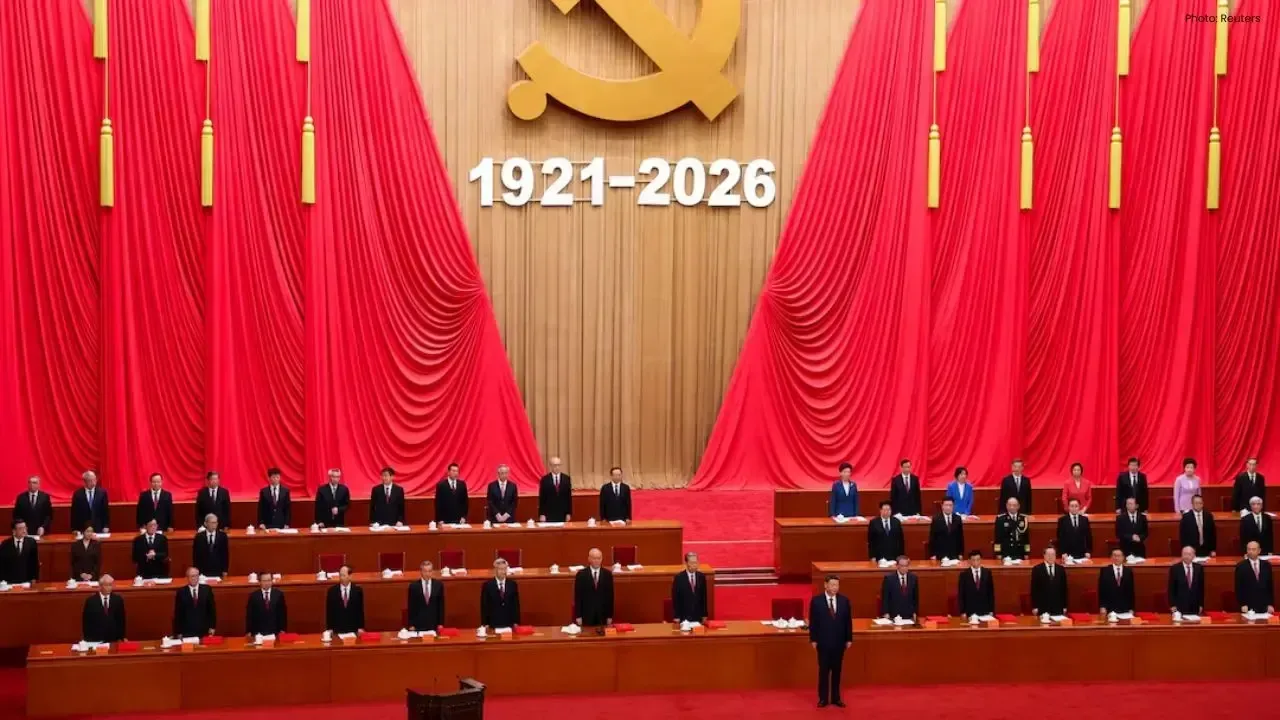
Anwar Congratulates Xi on CPC's 105th Anniversary
Malaysia reaffirms strong ties with China as PM Anwar Ibrahim sends a congratulatory letter to Presi
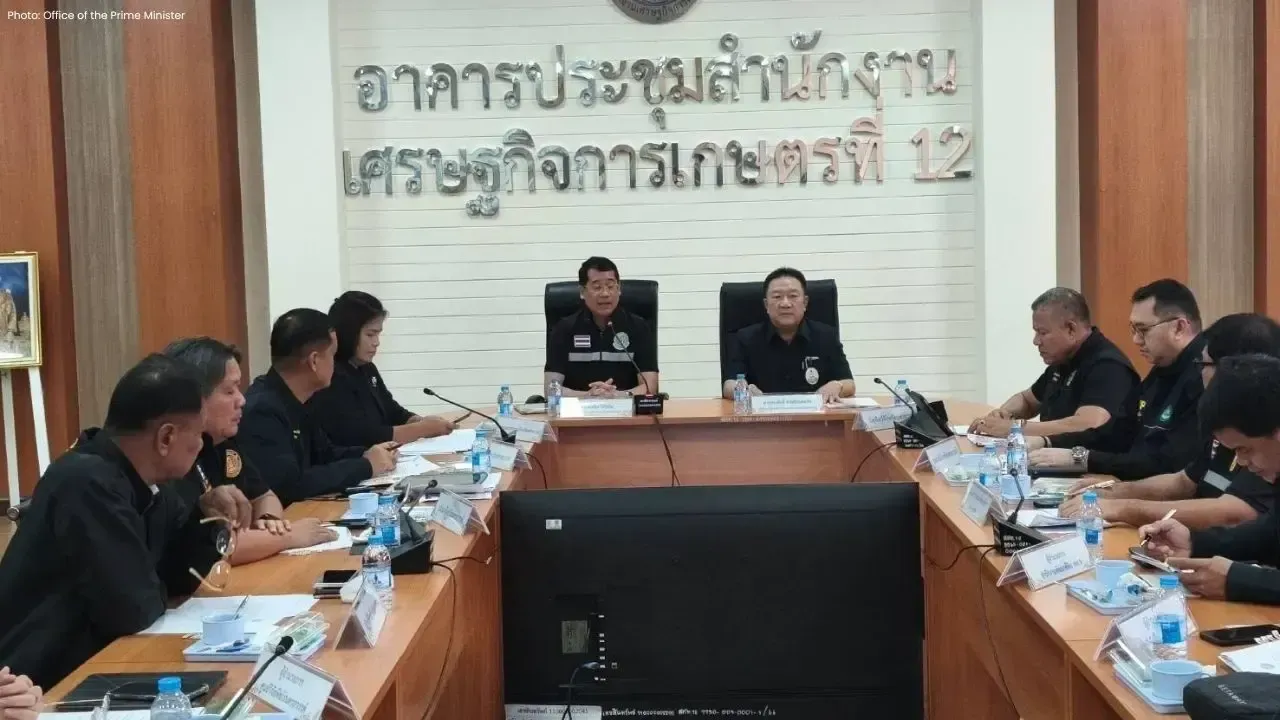
Thai Agriculture Team Reviews 2026 Farm Development Plans
Agriculture Ministry officials inspected livestock and organic rice projects in Nakhon Sawan to moni