You have not yet added any article to your bookmarks!
Join 10k+ people to get notified about new posts, news and tips.
Do not worry we don't spam!
Post by : Anis Farhan
For decades, passwords have been the cornerstone of digital security. Whether accessing email, online banking, or social media accounts, passwords became the universal lock-and-key system for our virtual lives. But as cyber threats grow more sophisticated, and as users struggle with creating and remembering complex combinations of letters, numbers, and symbols, the cracks in the password system are becoming hard to ignore. This shift has given rise to a new question: Are biometrics—the unique physical and behavioral traits that define us—the ultimate key to our digital identities?
Passwords were once considered an effective security measure, but in today’s interconnected world, they’re becoming a major vulnerability. According to recent studies, over 80% of data breaches involve compromised passwords. Hackers have developed advanced methods such as phishing attacks, credential stuffing, and brute-force algorithms that can easily crack weak or reused passwords.
On the user side, password fatigue is real. People have dozens of accounts, and the average person uses the same or similar passwords across multiple platforms, making them a prime target for cybercriminals. Even two-factor authentication (2FA), while more secure, has its flaws and can be bypassed through social engineering or SIM-swapping attacks.
With these challenges, security experts and tech giants are exploring passwordless authentication methods—most prominently, biometrics.
Biometric authentication uses unique physical or behavioral traits to verify an individual’s identity. Common biometric modalities include:
Fingerprint recognition – Scanning the unique patterns on a person’s finger.
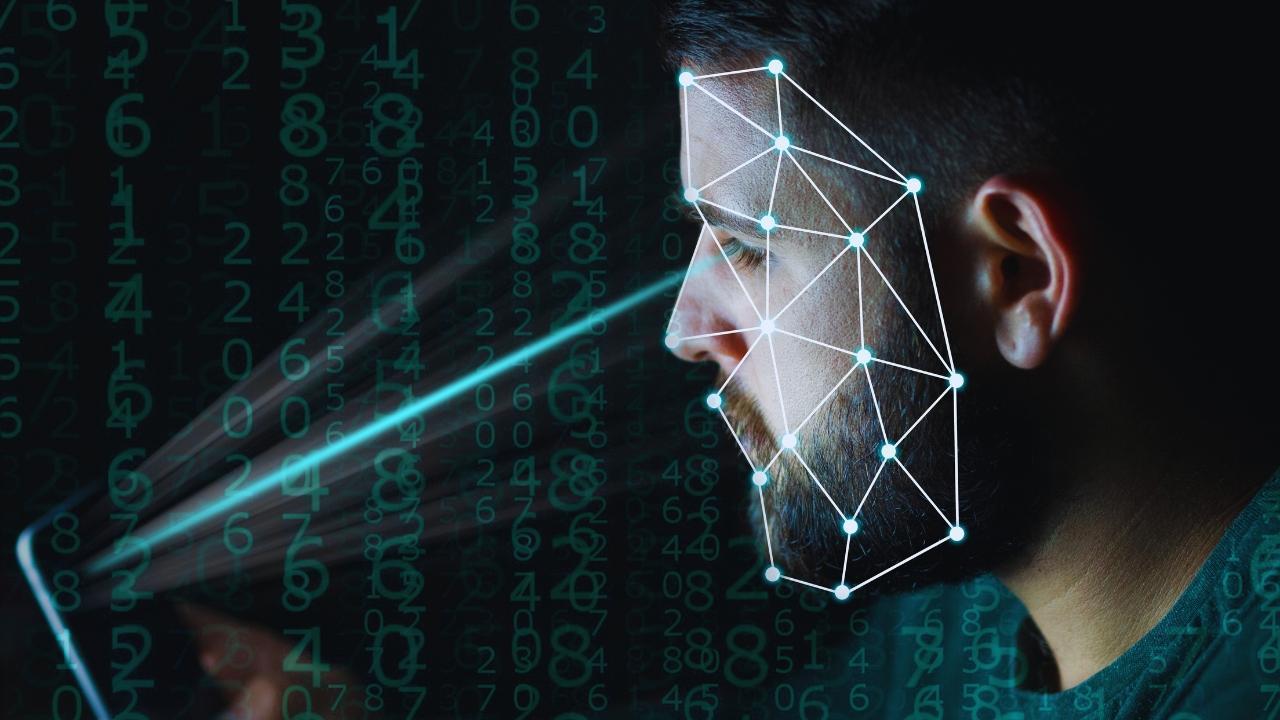
Facial recognition – Using facial features and geometry for identification.
Iris or retina scans – Capturing the unique structure of the eye.
Voice recognition – Identifying individuals by voice patterns.
Behavioral biometrics – Observing typing speed, gait, or even how a person holds a device.
Unlike passwords, which can be forgotten, stolen, or guessed, biometric traits are inherently tied to an individual, making them harder to replicate. This uniqueness makes biometrics an attractive alternative to traditional security systems.
The integration of biometrics into everyday technology is already underway. Smartphones popularized the trend, starting with fingerprint sensors and later introducing facial recognition systems like Apple’s Face ID and Samsung’s facial unlock. These innovations have shifted user expectations, making password-free authentication more acceptable and convenient.
Beyond mobile devices, biometric systems are being deployed in airports for faster immigration checks, in banking apps for secure transactions, and even in workplaces to verify employee attendance. Tech giants such as Microsoft and Google are investing heavily in passwordless solutions using biometrics combined with cryptographic keys to strengthen security further.
According to market projections, the global biometric market is expected to reach $136 billion by 2031, a clear indication that this technology is not just a passing trend but a foundational element of future digital ecosystems.
One of the strongest arguments for biometrics is their ability to eliminate password-related weaknesses. Since biometric data is unique and generally harder to replicate than a password, it reduces the risk of large-scale hacks caused by credential leaks.
In addition, biometric authentication can be combined with other security layers, such as encryption and tokenization, to make hacking attempts even more difficult. Unlike traditional passwords that travel across networks during verification, biometric systems often store authentication keys locally on the device, adding another layer of protection against cyberattacks.
While biometrics promise greater security, they are not without concerns. The first and most obvious challenge is privacy. Biometric data is highly sensitive, and if compromised, it cannot be changed like a password. A stolen fingerprint or facial scan is permanent, raising serious implications for identity theft.
Another issue is data storage and security. If biometric templates are stored on centralized servers, they become a lucrative target for hackers. To address this, many systems use local device storage and secure enclaves, but the risk is never fully eliminated.
False positives and negatives are another limitation. Biometric systems can occasionally misidentify users, causing inconvenience or, in rare cases, unauthorized access. Environmental conditions, aging, injuries, or even wearing a mask can interfere with accurate recognition.
Finally, there’s the ethical debate about surveillance and consent. As biometrics become more common, concerns about governments and corporations misusing this technology for mass surveillance are growing.
To ensure safe adoption, governments and regulatory bodies are establishing strict rules for biometric data handling. In regions like the European Union, the General Data Protection Regulation (GDPR) includes provisions for biometric information, treating it as highly sensitive personal data. Similarly, other countries are drafting laws to prevent misuse and protect consumer privacy.
Organizations adopting biometrics must implement transparent policies, obtain user consent, and clearly define how data will be stored, used, and deleted. Without such frameworks, biometrics could turn into a privacy nightmare rather than a security solution.
While biometrics offer numerous advantages, experts agree that they are unlikely to completely replace passwords in the near future. Instead, the future lies in multi-factor authentication (MFA), which combines biometrics with other elements like device tokens or behavioral patterns.
For instance, logging into a banking app might require facial recognition plus a secure device key, creating a layered defense against hackers. This approach addresses the risks of single-point failures and strengthens overall security.
Emerging technologies are pushing biometrics beyond fingerprints and facial scans. For example:
Palm vein recognition – Scanning vein patterns inside the hand for high accuracy.
Heartbeat authentication – Using ECG signals unique to each person.
Brainwave patterns – Experimental methods using neurological signals for identity verification.
Continuous authentication – Systems that monitor user behavior in real time to ensure the person using the device is still the authorized user.
These developments show that biometrics is not static; it’s an evolving field that will integrate deeper into our lives as technology advances.
Biometric authentication represents a significant leap toward stronger, more user-friendly security systems. However, the transition requires careful planning, robust encryption methods, and stringent data protection measures. Convenience should not come at the cost of privacy, and as users, we must demand transparency from organizations implementing these systems.
The future will likely see a blend of technologies—biometrics for identity verification, cryptographic keys for secure communication, and artificial intelligence for anomaly detection. Together, these tools can create a security framework that is both highly effective and user-friendly.
As we step into a passwordless era, one thing is clear: biometrics will play a leading role in shaping how we protect our digital identities, but they must do so with responsibility and accountability at their core.
The information provided in this article is intended for general informational purposes only. While every effort has been made to ensure the accuracy and reliability of the content, the author and publisher make no representations or warranties of any kind regarding completeness, correctness, or suitability. Readers are encouraged to conduct their own research and seek professional advice where necessary before making any decisions based on the content presented.









Lamborghini Catches Fire on Singapore's ECP, Causing Heavy Traffic
A Lamborghini caught fire on Singapore's ECP, causing heavy traffic and bus delays. No injuries were

Bangkok Airport Duty-Free Area Flooded by Pipe Burst
A burst water pipe flooded the duty-free shopping area at Bangkok's Suvarnabhumi Airport on July 16,

Nine Monks Killed in Thailand Pickup Truck Tragedy
An 11-year-old boy driving a pickup truck crashed into monks during a pilgrimage in northeastern Tha

Anwar Congratulates Xi on CPC's 105th Anniversary
Malaysia reaffirms strong ties with China as PM Anwar Ibrahim sends a congratulatory letter to Presi

Thai Agriculture Team Reviews 2026 Farm Development Plans
Agriculture Ministry officials inspected livestock and organic rice projects in Nakhon Sawan to moni

Thailand, Canada Boost Ties in PM-Level Phone Talks
Thailand and Canada agreed to strengthen trade, security, OECD cooperation and ASEAN-Canada FTA talk