
You have not yet added any article to your bookmarks!
Join 10k+ people to get notified about new posts, news and tips.
Do not worry we don't spam!
Post by : Badri Ariffin
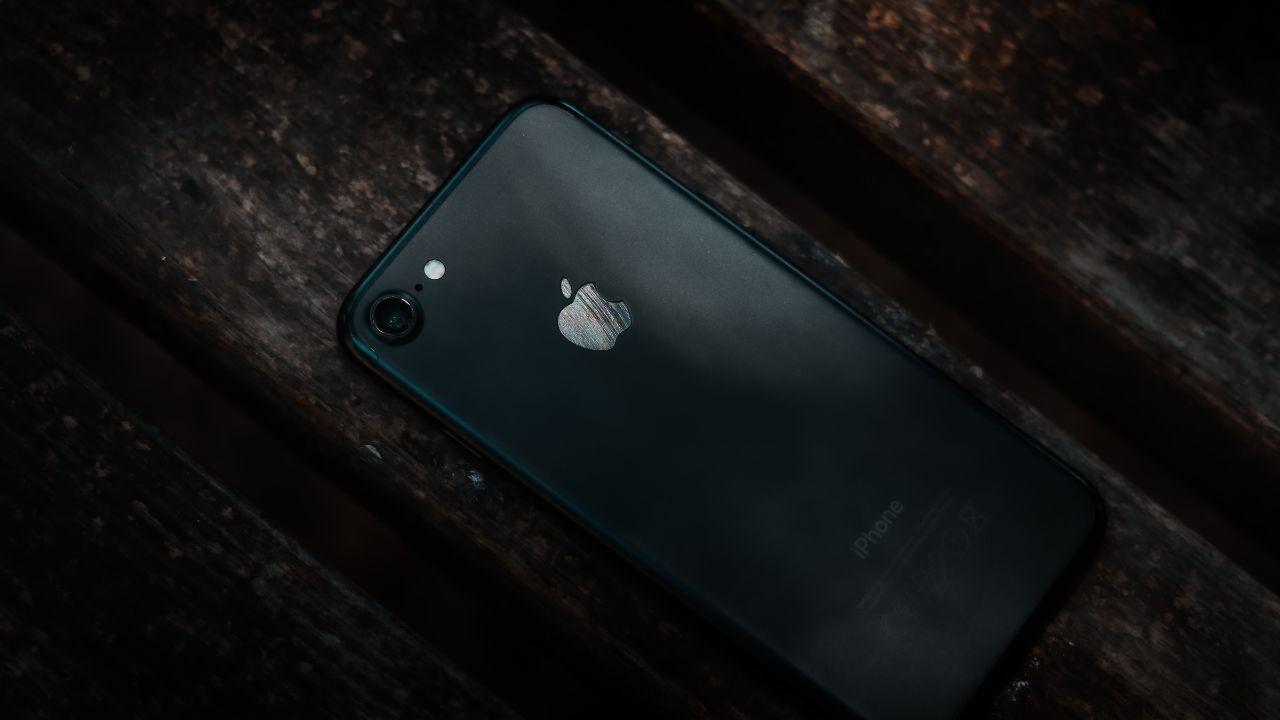
Apple is on the verge of one of the most significant transformations in its iPhone journey, offering not just new designs and functions, but also a rethink of its product launch timeline. After sticking to a strict annual release rhythm, the tech behemoth is now opting for a more adaptable schedule that may alter how enthusiasts look forward to upcoming iPhones.
This shift commenced with the September launch of the iPhone Air and the revamped iPhone 17 Pro models. These events signal the onset of a three-year development phase, culminating in revolutionary devices such as Apple's inaugural foldable iPhone in 2026 and a premium curved-glass variant featuring an under-screen camera in 2027.
Innovative Dual-Phase Launches
For numerous years, Apple’s autumn launch showcases were a highly anticipated event for both consumers and investors. However, consolidating all major releases into a single timeframe overstressed engineering teams, suppliers, and revenue prospects. Starting in 2026, Apple intends to implement dual-phased launches: high-end models like the iPhone 18 Pro, Pro Max, and foldable variants will be unveiled in the fall, followed six months later by mid-range models like the iPhone 18, iPhone 18e, and potentially an updated iPhone Air. This staggered strategy might allow Apple to introduce as many as six iPhones annually, facilitating a more streamlined launch process for production and consumers alike.
iPhone Air as a Transitional Device
This year’s iPhone Air was not anticipated to be a top seller. Analysts predict it will represent only 6–8% of Apple’s new iPhone sales, akin to the older iPhone 16 Plus. Instead, the model functions as a platform for developing miniaturization technologies that will benefit future foldable devices. The second-generation Air, planned for 2026, is set to incorporate a highly efficient 2-nanometer chip but will not undergo a major design change.
Strategic Realignment in Apple's Ecosystem
This shift isn't confined solely to iPhones. Apple is also slowly reconfiguring its Mac series, positioning the Mac Studio as the enduring professional desktop option, while updates to the Mac Pro are delayed until the rollout of the M5 Ultra chip. Additionally, Tesla is set to finally incorporate Apple CarPlay, bridging the gap between its electric vehicle offerings and iPhone users.
Internally, Apple is also experiencing a leadership transition as longtime COO Jeff Williams steps aside. Tasks are being reassigned among senior management, highlighting one of the most noteworthy executive changes in recent times for the company.
As Apple broadens its iPhone portfolio, introduces foldable options, and restructures its leadership, it is evident that the company is gearing up for a more agile and technologically forward-looking future—one that keeps the iPhone at its core while expanding its innovative reach.









Hyundai raises profit target, expands hybrid lineup in the US
Hyundai hybrid cars get a major boost as the automaker raises its profit margin target and plans new

Josh Kerr and Jakob Ingebrigtsen Set for 1,500m Rivalry Rematch
Josh Kerr and Jakob Ingebrigtsen will renew their 1,500m rivalry at the Ultimate Championship in Bud

PSG Coach Luis Enrique Urges Players to Step Outside Comfort Zone
PSG coach Luis Enrique says players must leave their comfort zone and keep improving as the club tar

China’s Tiangong Sets New 400m Record at Robot Olympics
China’s Tiangong robot sets a new 400m record at the Robot Olympics, beating a South African robot i

George Russell Wins Dutch GP Sprint, Boosts Mercedes Morale
George Russell wins the Dutch GP Sprint from pole as Mercedes teammate Kimi Antonelli extends his F1

Australia 50/3 After Bangladesh Bowled Out for 64 in Second Test
Australia reached 50/3 after Bangladesh were bowled out for 64 in the second Test, with Mitchell Sta

