
You have not yet added any article to your bookmarks!
Join 10k+ people to get notified about new posts, news and tips.
Do not worry we don't spam!
Post by : Saif Rahman
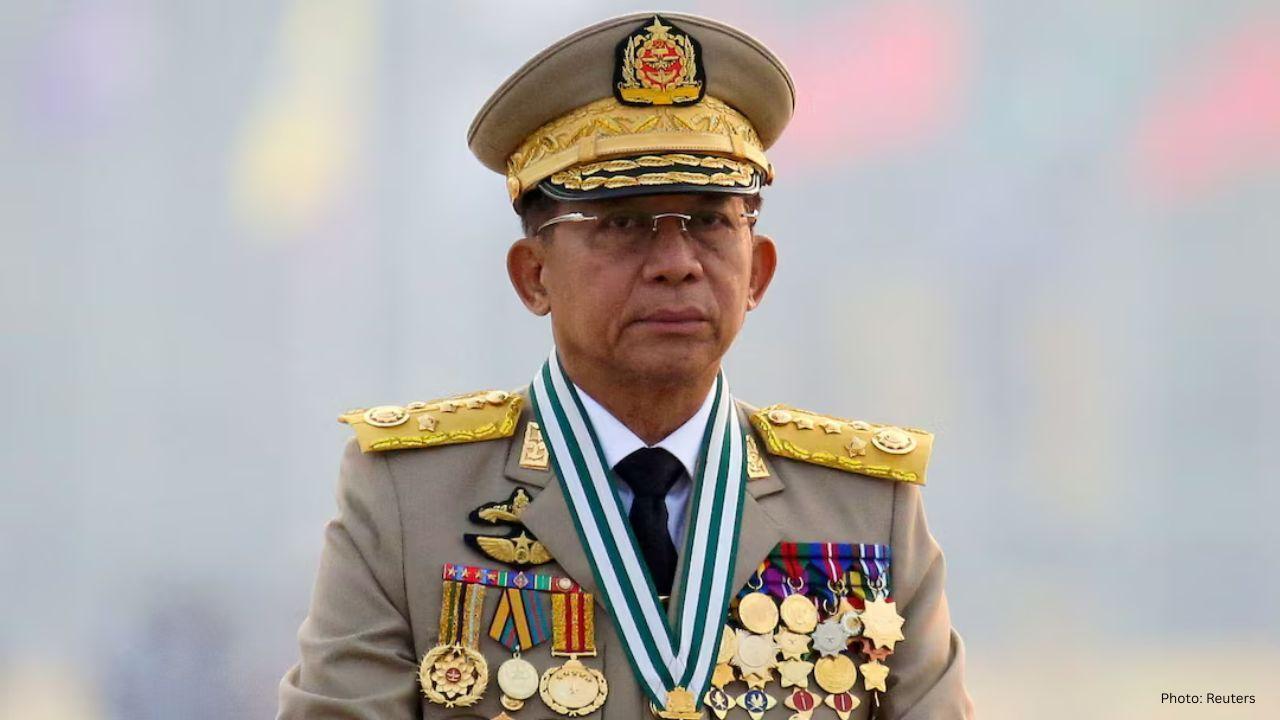
As Myanmar gears up for its general election, a somber and tense atmosphere prevails nationwide, starkly contrasting with the vibrant scenes of previous voting seasons. Years of civil strife, deep-rooted fears, and a severe humanitarian crisis have sapped the energy from the electoral campaign, leaving many citizens feeling uncertain, anxious, and distanced from the voting process.
This election occurs nearly four years after the military's coup in 2021, which ousted Aung San Suu Kyi's elected government. Since the takeover, the country has descended into widespread conflict between the military and various armed resistance groups, pushing millions into poverty and displacement. Critics argue that the election is merely a facade aimed at legitimizing military control rather than genuinely representing the populace's wishes.
In major urban centers like Yangon, the absence of campaign activity this year is stark. Unlike past elections filled with exuberant rallies, music, and crowds, the streets now bear only quiet signboards and posters, with minimal interaction between candidates and voters. Many candidates are shunning public events due to security concerns, and even when gatherings occur, they are heavily monitored.
Residents report that even military-affiliated parties are scarcely seen engaging in grassroots campaigning. The Union Solidarity and Development Party, closely associated with former military leaders, has a limited outreach compared to earlier elections.
This waning enthusiasm is deeply tied to fear. The United Nations has cautioned that citizens face threats regarding their election participation, both from military authorities and opposing factions. Many are apprehensive about the ramifications of voting—or of abstaining from the polls.
Concerns include potential arrests, travel restrictions, or being subjected to military conscription if they don’t vote. Others fear that visiting polling places could expose them to violence. In this atmosphere, rumors can spread rapidly, intensifying confusion and anxiety without any formal directives.
The election will unfold in three phases, covering only select regions. Areas heavily impacted by conflict will not participate in the voting process. Furthermore, officials have yet to declare when votes will be counted or when results will be made public, raising additional transparency concerns.
The military regime insists that the election is voluntary and free from coercion. State media contends that the election is a pathway towards ending emergency rule and restoring legal governance, albeit imperfectly. However, this perspective is strongly disputed by Western governments, human rights organizations, and the United Nations, which label the election as neither free nor fair.
For many, the electoral choice feels burdensome rather than promising. Rather than excitement for change, fear, silence, and uncertainty dominate sentiments. As Myanmar heads to the polls, the lack of open dialogue and public confidence underscores how deeply conflict has altered the nation’s political fabric.
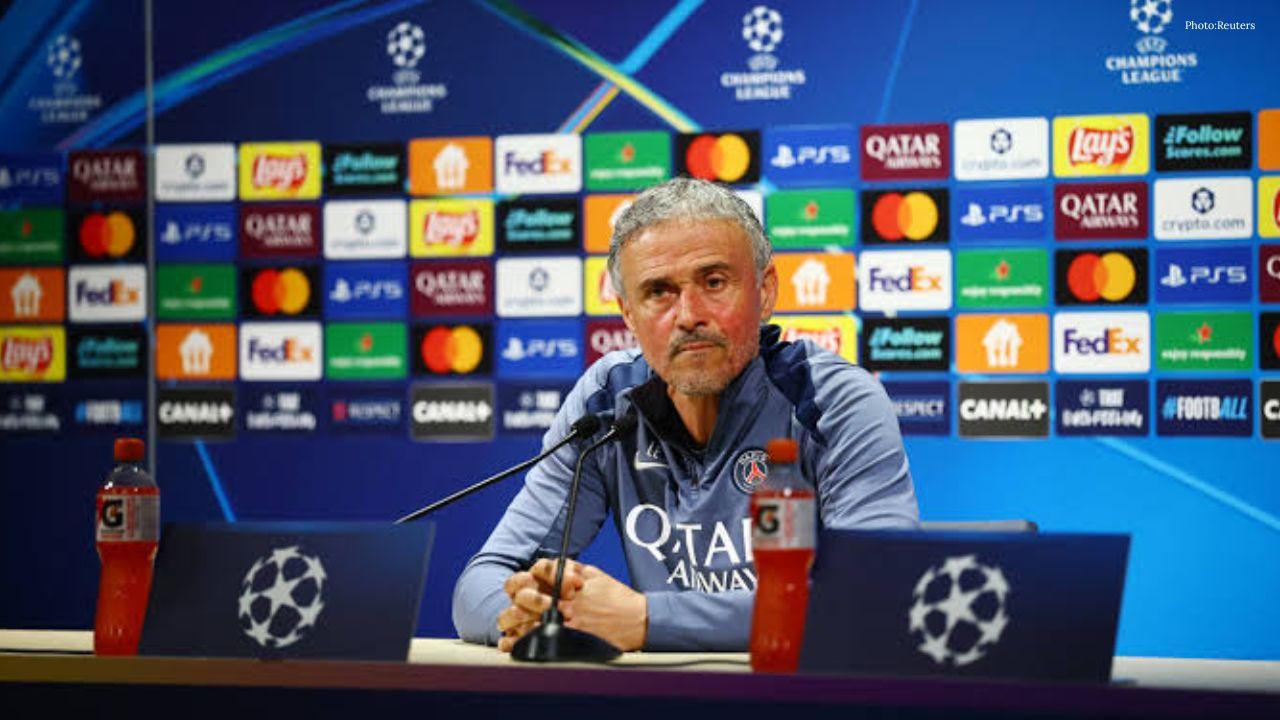



PSG Coach Luis Enrique Urges Players to Step Outside Comfort Zone
PSG coach Luis Enrique says players must leave their comfort zone and keep improving as the club tar

China’s Tiangong Sets New 400m Record at Robot Olympics
China’s Tiangong robot sets a new 400m record at the Robot Olympics, beating a South African robot i

George Russell Wins Dutch GP Sprint, Boosts Mercedes Morale
George Russell wins the Dutch GP Sprint from pole as Mercedes teammate Kimi Antonelli extends his F1

Australia 50/3 After Bangladesh Bowled Out for 64 in Second Test
Australia reached 50/3 after Bangladesh were bowled out for 64 in the second Test, with Mitchell Sta

Jordan Burroughs Returns to Wrestling with 2028 Olympic Dream
Jordan Burroughs returns to wrestling with Real American Freestyle as the Olympic champion eyes a po

Lamborghini Catches Fire on Singapore's ECP, Causing Heavy Traffic
A Lamborghini caught fire on Singapore's ECP, causing heavy traffic and bus delays. No injuries were

