
You have not yet added any article to your bookmarks!
Join 10k+ people to get notified about new posts, news and tips.
Do not worry we don't spam!
Post by : Rameen Ariff
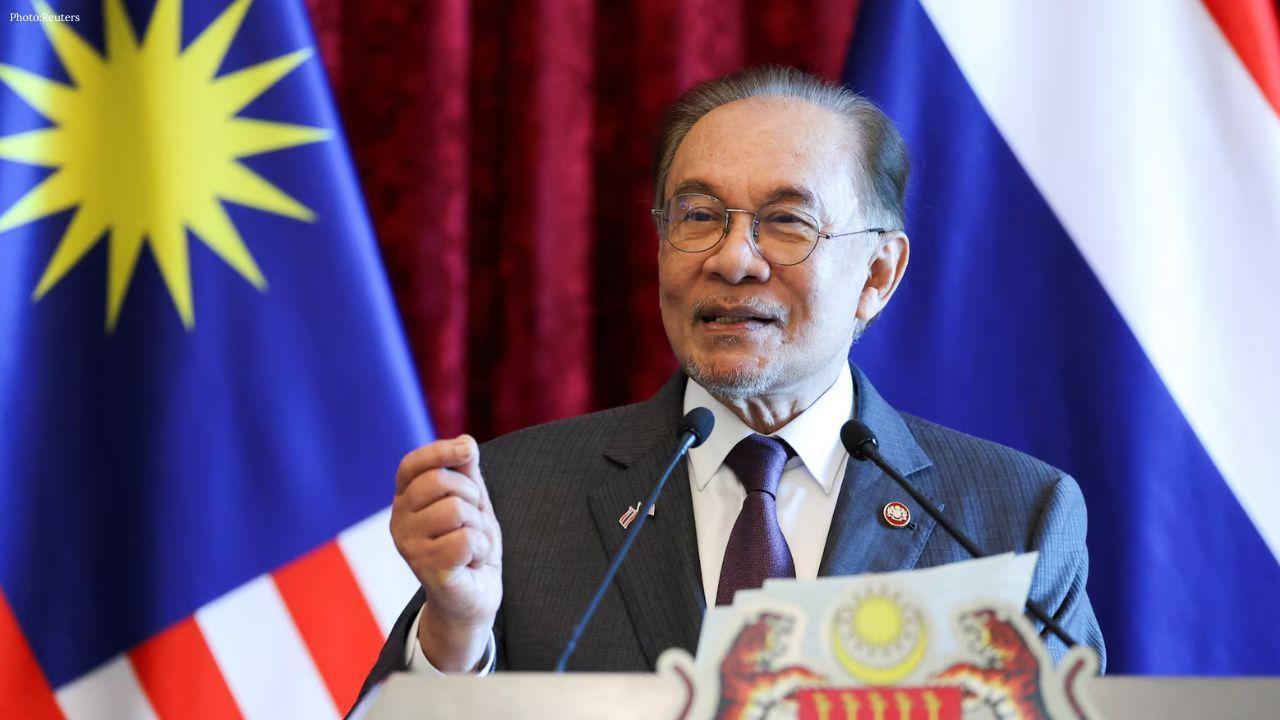
Against a backdrop of mounting strategic tensions, Malaysian Prime Minister Anwar Ibrahim used the East Asia Summit in Kuala Lumpur to press a clear appeal: pursue dialogue instead of coercion, and choose cooperation over confrontation. His intervention set a diplomatic tone as leaders gathered amid intensifying competition between Washington and Beijing.
The East Asia Summit—bringing ASEAN members together with partners such as China, the United States, India, Japan, Australia, South Korea, Russia and New Zealand—provided Anwar a platform to call for renewed collective purpose. He urged participants to reaffirm commitments to global stability and security, arguing that engagement must replace escalation.
This year’s meeting carried symbolic weight after a recent peace agreement between Cambodia and Thailand and amid shifting U.S. trade strategies across Southeast Asia. U.S. President Donald Trump, who attended ASEAN sessions before travelling to Japan, stressed expanding strategic partnerships to secure critical minerals and lower reliance on China, signalling adjustments in Washington’s Indo-Pacific approach.
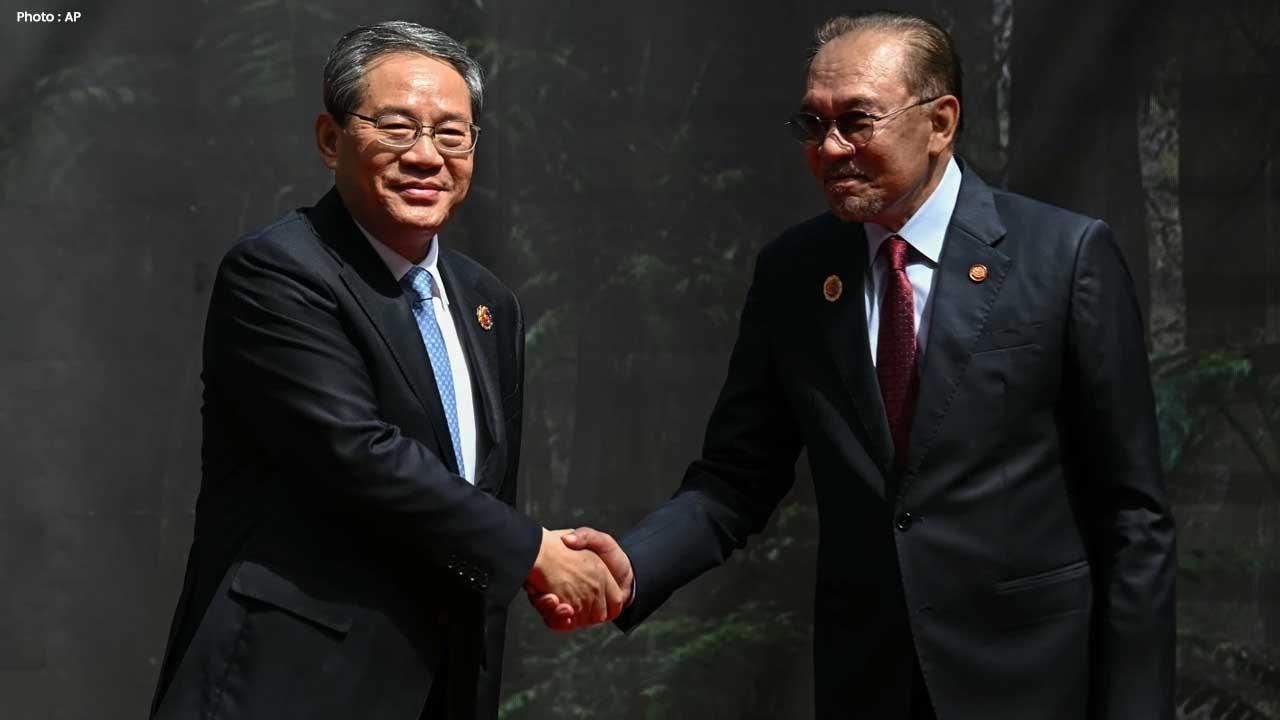
China’s Premier Li Qiang outlined an alternate agenda emphasising state sovereignty, non-interference and expanded connectivity under the Belt and Road Initiative. Observers said the U.S.–China rivalry shadowed discussions from trade to security, yet ASEAN largely preserved a neutral posture focused on balance and stability.
Analysts including former Malaysian diplomat Ilango Karuppannan said the summit will be remembered for its careful diplomatic choreography and Anwar’s insistence on engagement. While acknowledging Trump’s mediation efforts over Gaza, Anwar emphasised that additional steps are required to secure a durable peace for the Palestinian people.
On the Korean Peninsula, Anwar advocated continued engagement despite escalating missile activity. "If we call for dialogue from Gaza to Ukraine to Myanmar, we should not exclude North Korea," he said, underscoring Malaysia’s consistent preference for diplomacy over isolation.
Turning to maritime disputes, Anwar cautioned that outside intervention in the South China Sea risks escalation, urging all parties to respect international law and to support progress on the long-awaited Code of Conduct negotiations.
Economic resilience also featured prominently. Leaders highlighted the Regional Comprehensive Economic Partnership, which now accounts for roughly a third of global GDP, and committed to strengthening regional supply chains and preserving multilateral trade amid the impact of U.S. tariff policies.
Canada’s representative, Mark Carney, outlined ambitions to significantly boost exports to markets outside the United States over the coming decade, while Malaysia announced it had finalised a free trade agreement with South Korea—moves framed as efforts to diversify trade ties and reduce tariff vulnerability.
For Malaysia, the summit represented a pivotal moment. With the United States deepening economic ties, China promoting connectivity, and ASEAN navigating a neutral path, Anwar Ibrahim’s plea for dialogue emerged as a central message: Asia’s future, he argued, depends on cooperation rather than division.






Michael Bracewell Chooses Casual Contract, Targets BBL Opportunity
Michael Bracewell moves to a casual contract as he eyes a BBL opportunity while remaining available

Tuchel Says Alex Scott Can Challenge Declan Rice for England Midfield Spot
Thomas Tuchel says Alex Scott can challenge Declan Rice for an England midfield place after his impr

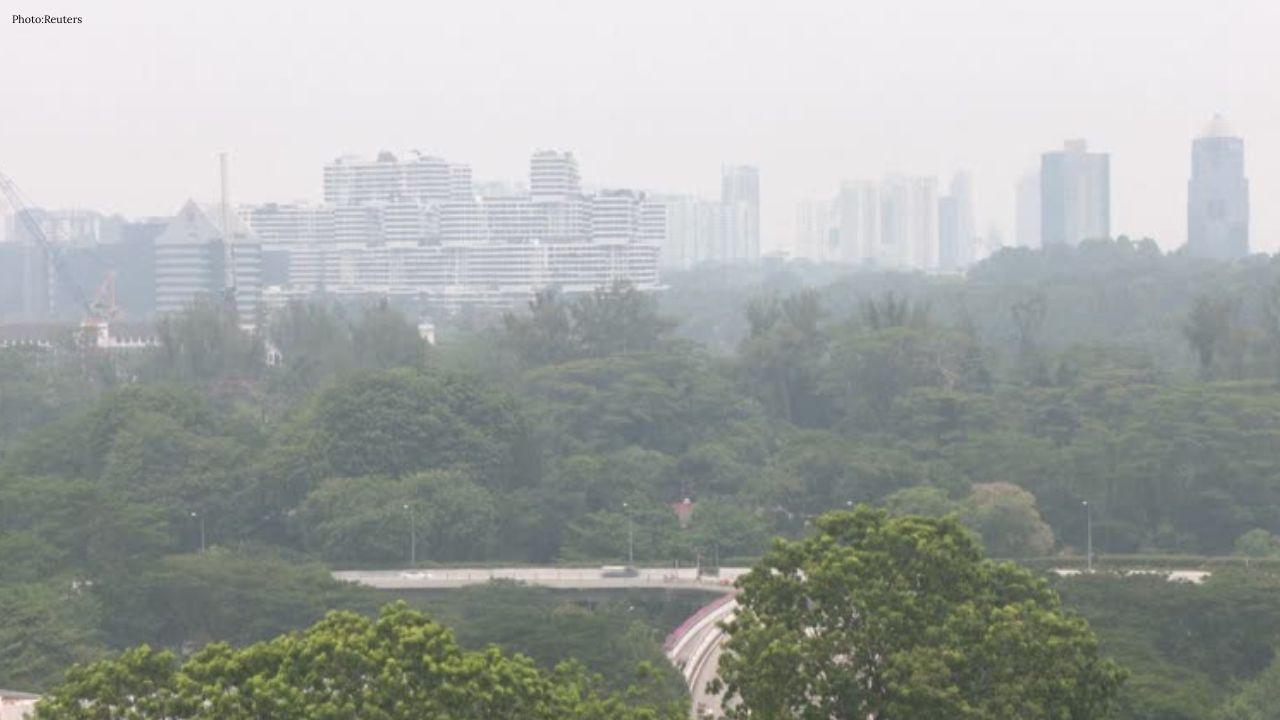
Air Quality Turns Unhealthy in Central and Western Singapore Amid Haze
Singapore haze pushes PSI above 100 in central and western areas as smoke from regional hotspots rai

PM Modi Pays Tribute to Mahatma Gandhi, Urges People to Support Khadi
PM Modi pays tribute to Mahatma Gandhi on Gandhi Jayanti and urges citizens to support Khadi and the

Amazon Seeks to Offload $8 Billion in Nvidia Chips to Investors
Amazon plans to move $8 billion in Nvidia chips to investors, using a new financing model to strengt

Samsung Raises Galaxy S26 Prices as Memory Chip Costs Rise
Samsung raises Galaxy S26 prices in South Korea as rising memory chip costs put pressure on smartpho

