You have not yet added any article to your bookmarks!
Join 10k+ people to get notified about new posts, news and tips.
Do not worry we don't spam!
Post by : Anis Farhan
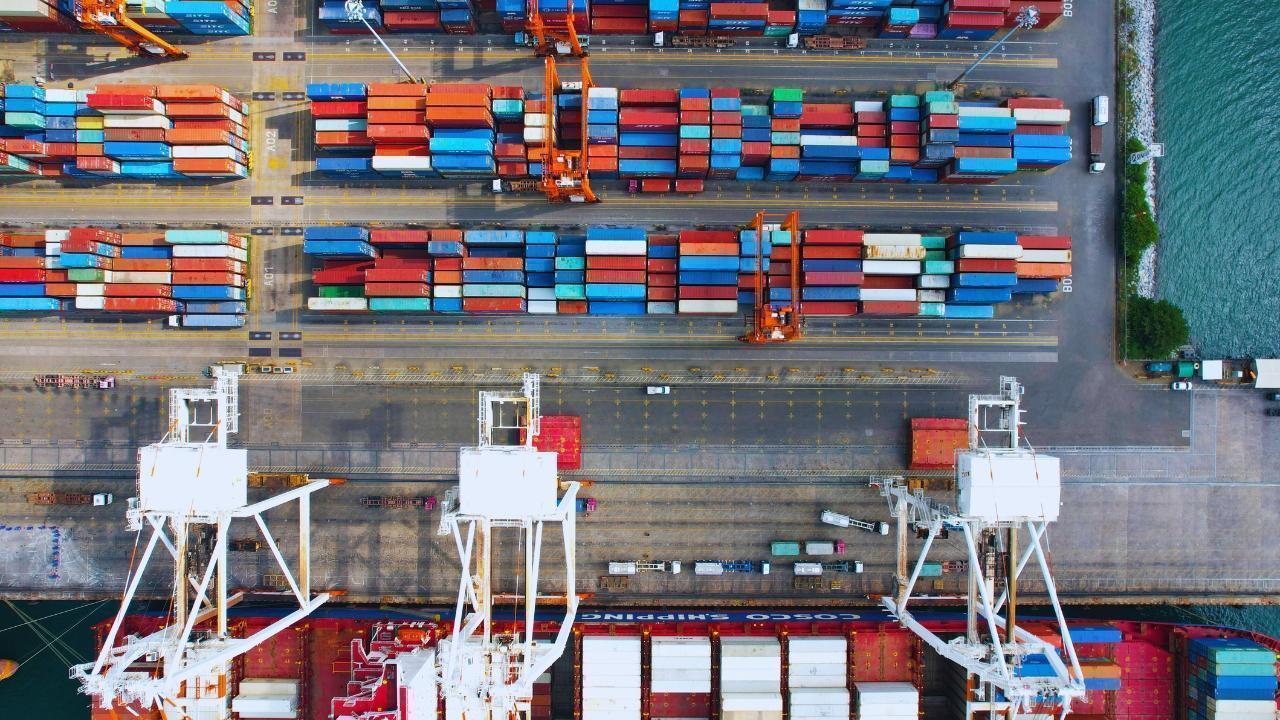
Exporting has always been complex and expensive—especially for small businesses in developing regions. Documentation, customs clearance, logistics coordination, and market identification were tasks only large players could afford. Now, AI tools are democratizing this process. SMEs in Vietnam, Thailand, Indonesia, and Malaysia are leveraging smart applications to automate paperwork, forecast demand, and tackle compliance—even without hiring consultants or trade agents.
This shift is quiet but powerful. For the first time, small exporters can act with autonomy and confidence. AI isn’t just for the big brands anymore; it’s enabling new entrepreneurs to participate in global trade from a base of small towns and rural regions.
A significant advantage AI offers is predictive analytics. Small exporters of textiles, handicrafts, seafood, or processed foods can now use AI-generated dashboards to understand demand patterns in international markets. Instead of guessing, businesses can forecast seasonal spikes, map trends across regions, and adjust production accordingly.
This helps reduce inventory waste and avoid missed opportunities. A lacquerware maker in Myanmar, for example, might discover through AI that demand for olive-toned products is rising in Europe—prompting design changes, packaging updates, and targeted outreach.
Customs clearance and trade compliance were once manual tasks filled with paperwork and confusion. Today, AI-driven platforms assist micro-exporters by filling forms, verifying HS (Harmonized System) codes, and even enabling real-time translation of foreign trade guidelines.
If an exporter in Thailand faces new packaging rules in the European Union, an AI assistant can highlight the changes, explain them clearly, and suggest compliant labels. This saves time, reduces delays, and minimizes costly mistakes.
Shipping delays, port congestion, and delivery inefficiencies once threatened smaller businesses most. With AI-powered logistics tools, they can now anticipate and avoid such disruptions. These tools analyze historical data to forecast delays, suggest optimal shipping windows, and even propose alternative routes if weather or customs hold-ups threaten schedules.
A coconut product exporter in the Philippines might get advanced alerts that a Singapore port is likely to be busy—so they reroute via Malaysia to maintain freshness of perishable goods and avoid spoilage.
Finding buyers abroad has long been a challenge for small operators. AI tools now scan international databases, track buyer demand, and curate verified B2B leads. For many exporters, this has replaced costly trade fairs and agents with intelligent, cost-efficient outreach.
An artisanal soap maker from Bali, for instance, can receive AI recommendations for buyers in Australia or South Korea, complete with estimates on shipping costs and buyer preferences. Outreach messages are automatically personalized and follow proper cultural tone. This turns cold prospects into warm inquiries—without manual guesswork.
Multilingual documentation and negotiations once slowed down micro-exporters. Now, AI-powered translators eliminate this challenge. Trade-specific machine translation tools help convert invoices, product labels, and even customs declarations accurately into English, Chinese, or French.
For many businesses in less-English-native communities like Laos or remote Indonesian islands, this unlocks access to foreign partners who previously rejected them over communication concerns.
Many small exporters manually copy invoice data, type order confirmations, or wait for human responses from carriers. AI automates these tasks efficiently. Document generation, order confirmations, logistics coordination, and email follow-ups can now be handled by smart agents.
This improvement saves hours of manual work each week. And those hours translate to higher productivity and faster order fulfillment—without hiring extra staff or outsourcing.
While AI tools offer many advantages, challenges remain. Internet reliability, digital skills gap, and data privacy concerns limit adoption for rural or informal small businesses. Many tools are not localized for local languages. Governments, trade bodies, and tech providers must work together to address these gaps.
Another issue is cost. Most exporters operate on thin margins, so subscription fees or tool onboarding costs can still be significant. Training and trust building are necessary to ensure small enterprises see tangible ROI before fully committing.
Several Southeast Asian countries are taking note. Singapore’s trade agencies, for example, have rolled out grant schemes enabling small firms to test AI tools for market and compliance automation. Malaysia and Thailand offer trade-tech incubation programs that pair exporters with AI startups providing predictive analytics.
Regional bodies are also exploring data-sharing systems where trade data is anonymized and leveraged for AI forecasting—allowing even the smallest exporters to benefit from aggregated trends and insights.
What’s most exciting is how micro-entrepreneurs themselves are adapting. Many are blending AI tools with local knowledge. A spice exporter might crop-match AI demand signals with indigenous varieties. A designer might customize packaging based on AI-driven purchase preferences. These innovations combine tech with tradition, boosting cultural authenticity while enhancing global competitiveness.
Communities of exporters often share best practices through peer groups. They track AI tool successes and failures, recommend affordable models, and help each other troubleshoot user challenges. That peer network creates a shared support ecosystem that boosts adoption.
Looking ahead, technology is likely to become even smarter and simpler. Expect AI-powered mobile apps that support offline use in rural areas, voice-based trade support in local languages, and subscription models that scale with revenue. With growing infrastructure and digital literacy, more remote exporters will join the global supply chain.
This isn’t just a tech trends story—it’s a narrative of inclusive trade. More people, regardless of scale or origin, can now export confidently at a global level.
AI-enabled export systems foster diversity and resilience. When micro exporters across Southeast Asia gain access to global trade, supply chains become less centralized, more resilient to shocks, and culturally richer. AI is becoming a bridge that connects local ingenuity with global opportunity.
Small home-based exporters, family-run workshops, rural collective enterprises—these players now have tools once reserved for corporate giants. And with technology becoming easier to adopt, there’s no longer a gap between ambition and access.
AI is quietly reshaping cross-border trade in Southeast Asia. Far from flashy corporate headlines, it's enabling small exporters—often from modest backgrounds—to interact with global markets, manage compliance, and grow sustainably. With proper support, public policy alignment, and community-led adoption, AI has the potential to make Southeast Asian trade smarter, fairer, and more inclusive.
This article is for general informational purposes and not business or legal advice. Exporters should consult local trade officials, compliance experts, or industry advisors when implementing AI tools for cross-border trade.





Lamborghini Catches Fire on Singapore's ECP, Causing Heavy Traffic
A Lamborghini caught fire on Singapore's ECP, causing heavy traffic and bus delays. No injuries were

Bangkok Airport Duty-Free Area Flooded by Pipe Burst
A burst water pipe flooded the duty-free shopping area at Bangkok's Suvarnabhumi Airport on July 16,

Nine Monks Killed in Thailand Pickup Truck Tragedy
An 11-year-old boy driving a pickup truck crashed into monks during a pilgrimage in northeastern Tha
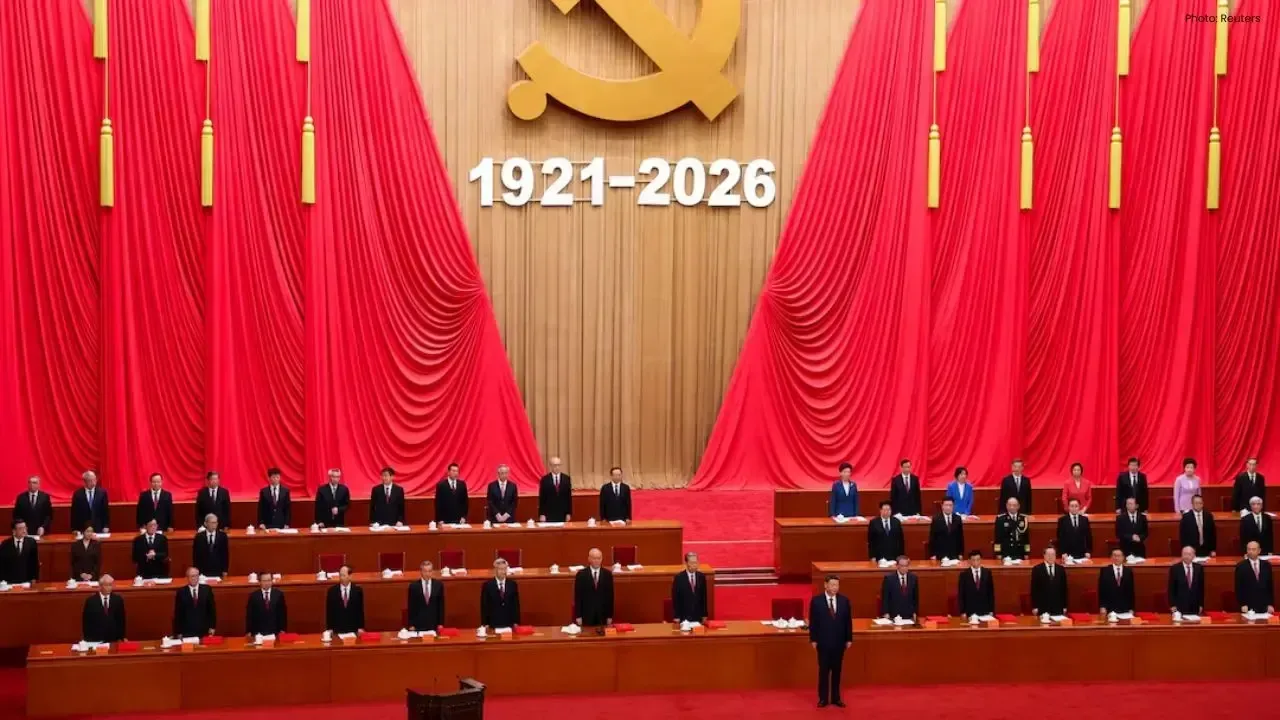
Anwar Congratulates Xi on CPC's 105th Anniversary
Malaysia reaffirms strong ties with China as PM Anwar Ibrahim sends a congratulatory letter to Presi
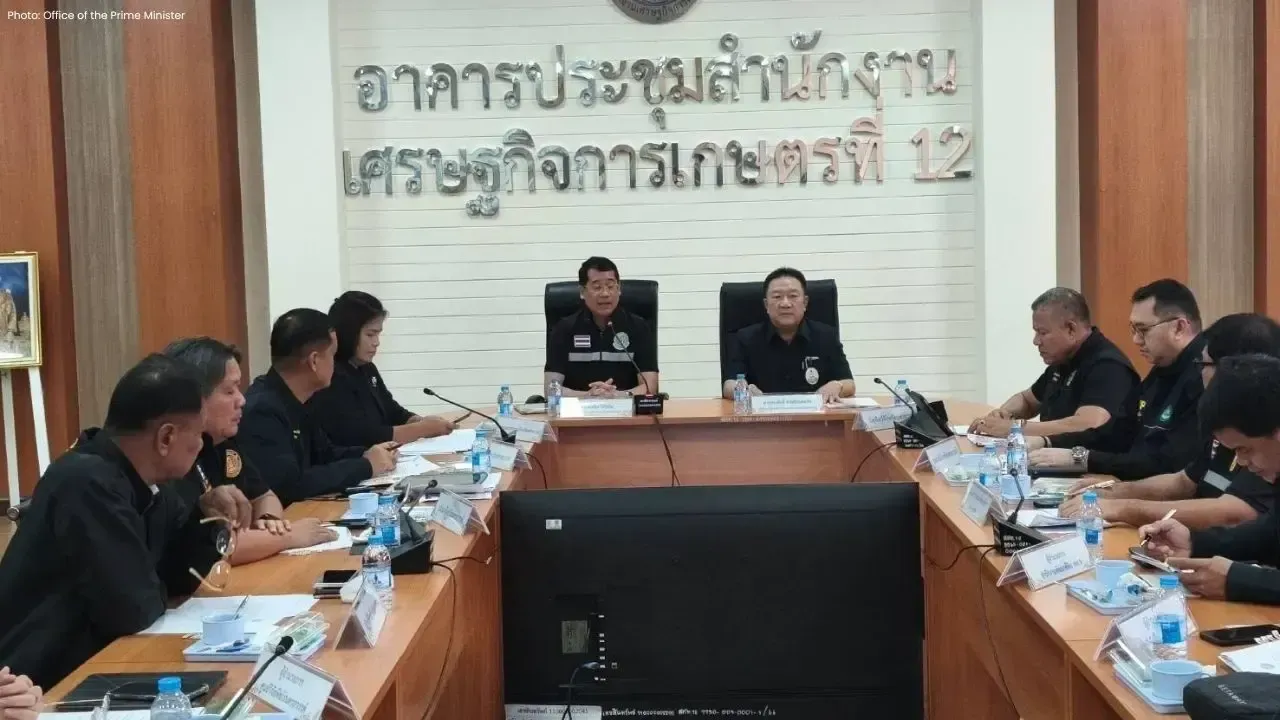
Thai Agriculture Team Reviews 2026 Farm Development Plans
Agriculture Ministry officials inspected livestock and organic rice projects in Nakhon Sawan to moni

Thailand, Canada Boost Ties in PM-Level Phone Talks
Thailand and Canada agreed to strengthen trade, security, OECD cooperation and ASEAN-Canada FTA talk