You have not yet added any article to your bookmarks!
Join 10k+ people to get notified about new posts, news and tips.
Do not worry we don't spam!
Post by : Anis Farhan
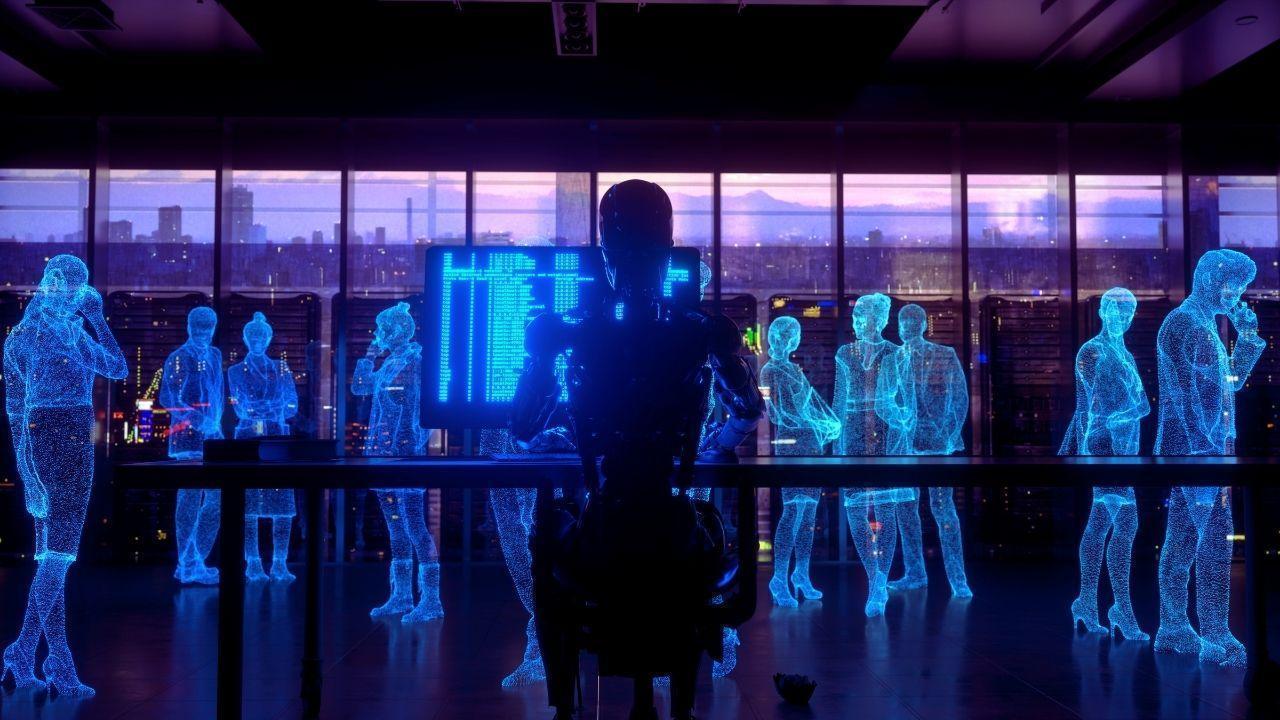
For decades, creativity was seen as a uniquely human trait, a reflection of emotion, memory, and imagination. But in 2025, artificial intelligence has redefined that assumption. AI programs are now composing symphonies, painting portraits, and even writing novels that rival the works of human creators. The question is no longer whether machines can create, but how their creativity reshapes the way we define art.
AI models, trained on massive datasets of human artistic output, learn patterns, styles, and techniques. They then generate new works, often indistinguishable from those of celebrated artists. Some critics view this as imitation rather than innovation, while others argue it’s simply a new medium, like photography once was in the 19th century.
The music industry has embraced AI in surprising ways. Tools powered by generative models can now compose entire symphonies, produce pop tracks, and even emulate the voices of famous singers. For independent musicians, AI offers an affordable studio—an assistant that can mix beats, suggest harmonies, and experiment with sounds.
Major record labels are also experimenting with AI-generated content. Some artists collaborate with AI to explore genres they might not have attempted otherwise. A human singer might input lyrics, while AI composes instrumental layers inspired by jazz, electronic, or classical traditions. The result is a hybrid creation, blurring the lines between human emotion and machine precision.
Yet, ethical concerns linger. Should an AI-generated track be considered an original work? Who owns the copyright—the programmer, the artist who collaborated, or the machine itself? These questions remain unresolved, but they highlight how deeply AI is entangled with the cultural economy.
The visual arts have undergone perhaps the most visible transformation with the rise of AI tools. Programs can now generate digital paintings, sculptures, and even immersive installations within seconds. What used to take an artist weeks of conceptualization and execution can now be done in moments.
Artists have mixed reactions. Some see AI as a threat, flooding the market with endless digital images that could dilute the value of original art. Others treat it as a tool of empowerment, allowing them to explore fresh concepts without traditional constraints. For instance, an artist might use AI to generate hundreds of variations of a theme, then refine and finalize one piece by hand, merging machine output with human intention.
Auction houses have also jumped on the trend. In recent years, AI-generated artworks have fetched millions at global auctions. This commercial acceptance underscores how seriously the art world is taking machine creativity. Still, debates about originality and authorship continue to intensify.
AI’s influence is no less significant in literature. Generative models now draft short stories, poetry, and even novels that mimic the styles of literary giants. They can replicate Shakespeare’s cadence, Hemingway’s brevity, or Tolkien’s world-building with astonishing accuracy.
Writers are divided: some see AI as a partner, helping them brainstorm ideas, fill in dialogue, or overcome creative blocks. Others fear being replaced, as publishers experiment with AI-driven content for speed and efficiency.
But there is an undeniable difference—human writing carries lived experience, cultural nuance, and emotional resonance that machines cannot authentically replicate. Readers often detect something missing in AI-authored texts: the imperfections, the quirks, and the vulnerability that make literature human.
The rise of AI artists challenges humanity’s understanding of creativity. If machines can produce music that moves us, paintings that inspire awe, or novels that stir emotions, what then distinguishes human expression? Some argue that art is not just about the final product but about the journey, the story behind the creation, and the emotional investment of the artist.
AI lacks lived experience—it cannot fall in love, feel heartbreak, or experience the complexities of human existence. This gap reinforces the unique value of human artistry, even as machines produce technically impressive works. Instead of replacing artists, AI may be redefining what it means to be one.
Commercially, AI art has become a booming industry. Streaming platforms, gaming companies, advertising agencies, and even Hollywood studios are increasingly turning to AI to create background music, design sets, or draft scripts. The economic incentive is clear: AI reduces costs, speeds up production, and provides endless creative variations.
At the same time, human artists worry about exploitation. If corporations lean too heavily on AI, the demand for human talent could shrink, reducing opportunities for emerging creators. Critics warn of cultural homogenization, where AI-generated works dominate mainstream media, sidelining authentic voices.
Governments and legal systems are racing to keep up. Intellectual property laws are being tested by the question of machine authorship. Can a machine hold copyright? If not, who reaps the benefits of its creations? These debates will shape the future of the creative industries for decades to come.
Most experts believe that the future lies not in competition between humans and machines, but in collaboration. AI can enhance human creativity rather than replace it. A writer might use AI to draft a story framework, then inject personal experiences into the narrative. A painter could generate digital sketches before translating them into traditional art. A musician might lean on AI for instrumentation while keeping lyrics deeply personal.
By treating AI as a tool, much like the camera or synthesizer once were, society can embrace its potential without losing sight of human originality. The challenge will be ensuring that creators remain at the center of the artistic process, with AI serving as a collaborator rather than a competitor.
The era of AI artists has arrived, bringing with it innovation, disruption, and profound questions about the nature of creativity. Machines may compose, paint, and write, but they cannot replicate the human condition—the emotional complexity, lived experiences, and cultural context that define true artistry.
As 2025 unfolds, the dialogue between human and machine creators will continue to shape global culture. The outcome may not be a replacement of one by the other, but a new hybrid form of creativity, where art reflects not only the hand of the human but also the intelligence of the machine.
This article is intended for informational and educational purposes only. It does not endorse or oppose the use of AI in creative industries but explores its impact based on current global trends.



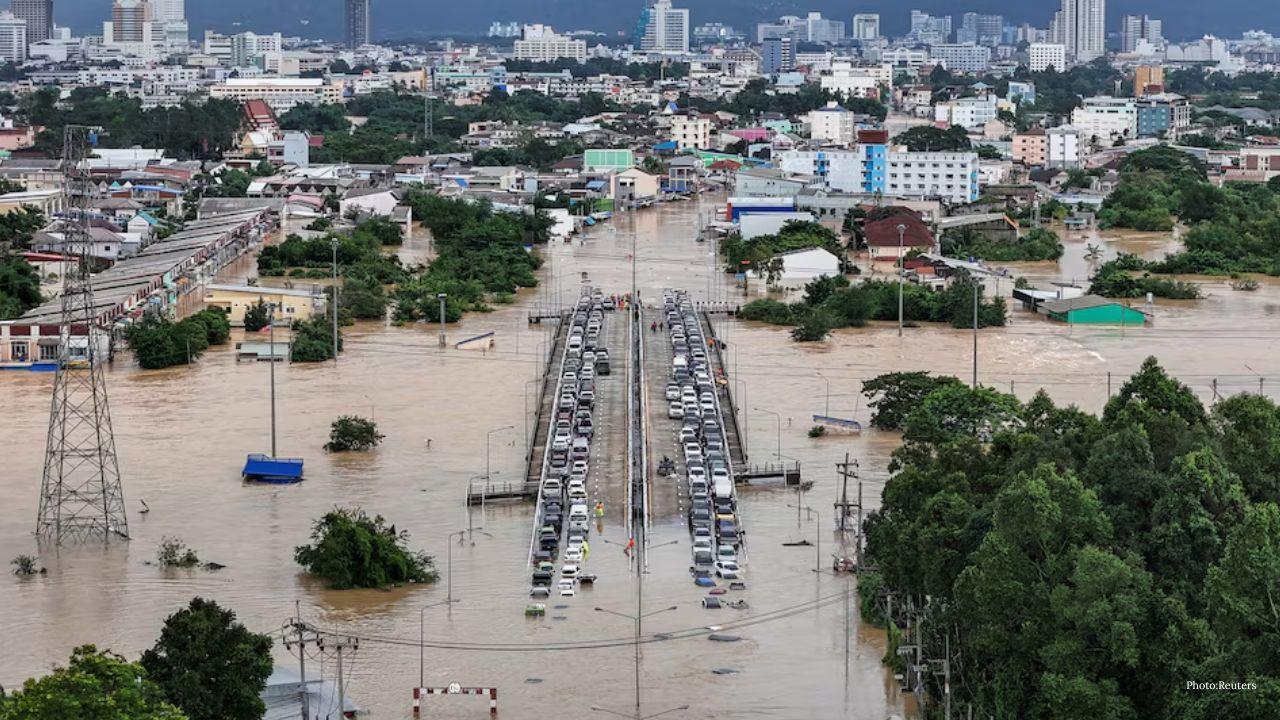

Jordan Burroughs Returns to Wrestling with 2028 Olympic Dream
Jordan Burroughs returns to wrestling with Real American Freestyle as the Olympic champion eyes a po

Lamborghini Catches Fire on Singapore's ECP, Causing Heavy Traffic
A Lamborghini caught fire on Singapore's ECP, causing heavy traffic and bus delays. No injuries were

Bangkok Airport Duty-Free Area Flooded by Pipe Burst
A burst water pipe flooded the duty-free shopping area at Bangkok's Suvarnabhumi Airport on July 16,
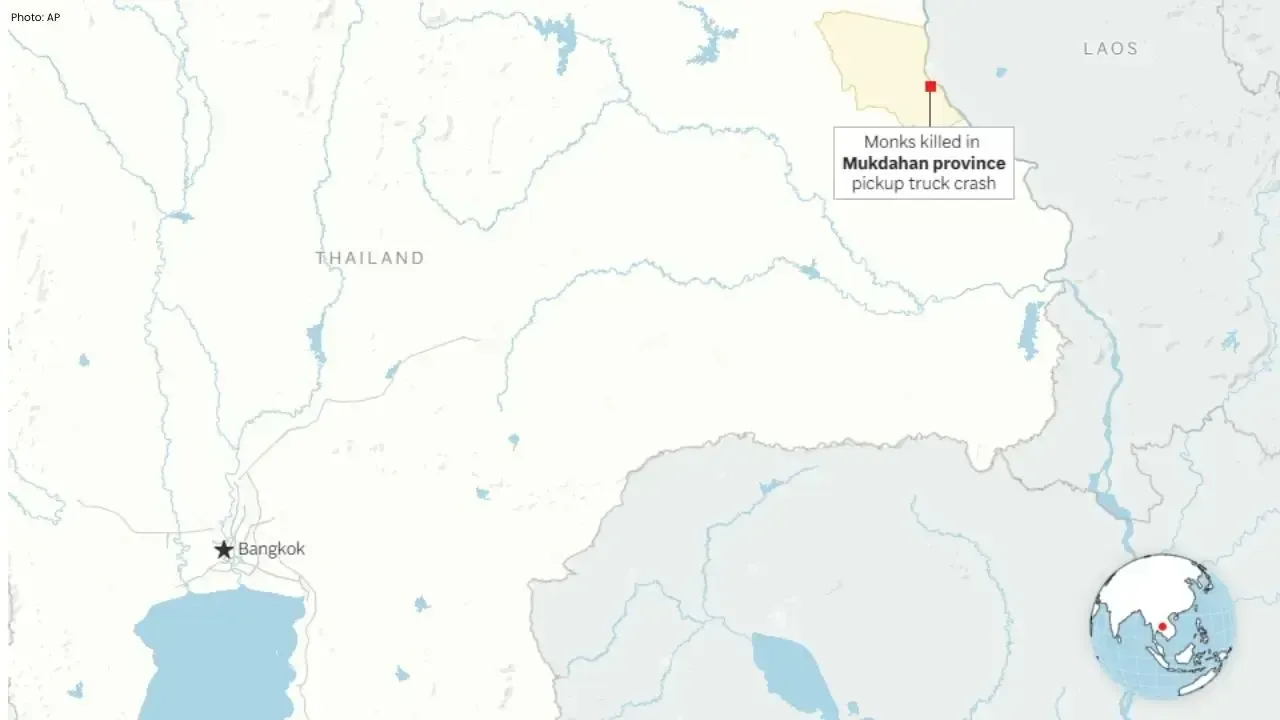
Nine Monks Killed in Thailand Pickup Truck Tragedy
An 11-year-old boy driving a pickup truck crashed into monks during a pilgrimage in northeastern Tha
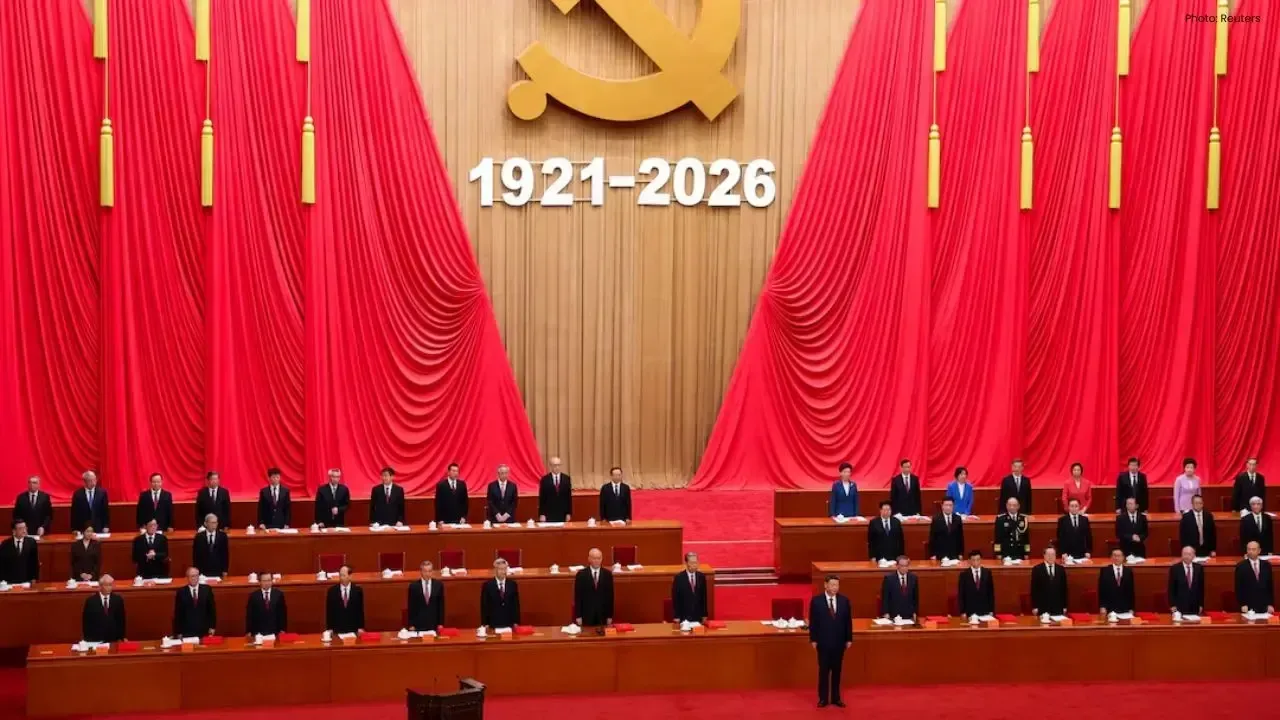
Anwar Congratulates Xi on CPC's 105th Anniversary
Malaysia reaffirms strong ties with China as PM Anwar Ibrahim sends a congratulatory letter to Presi
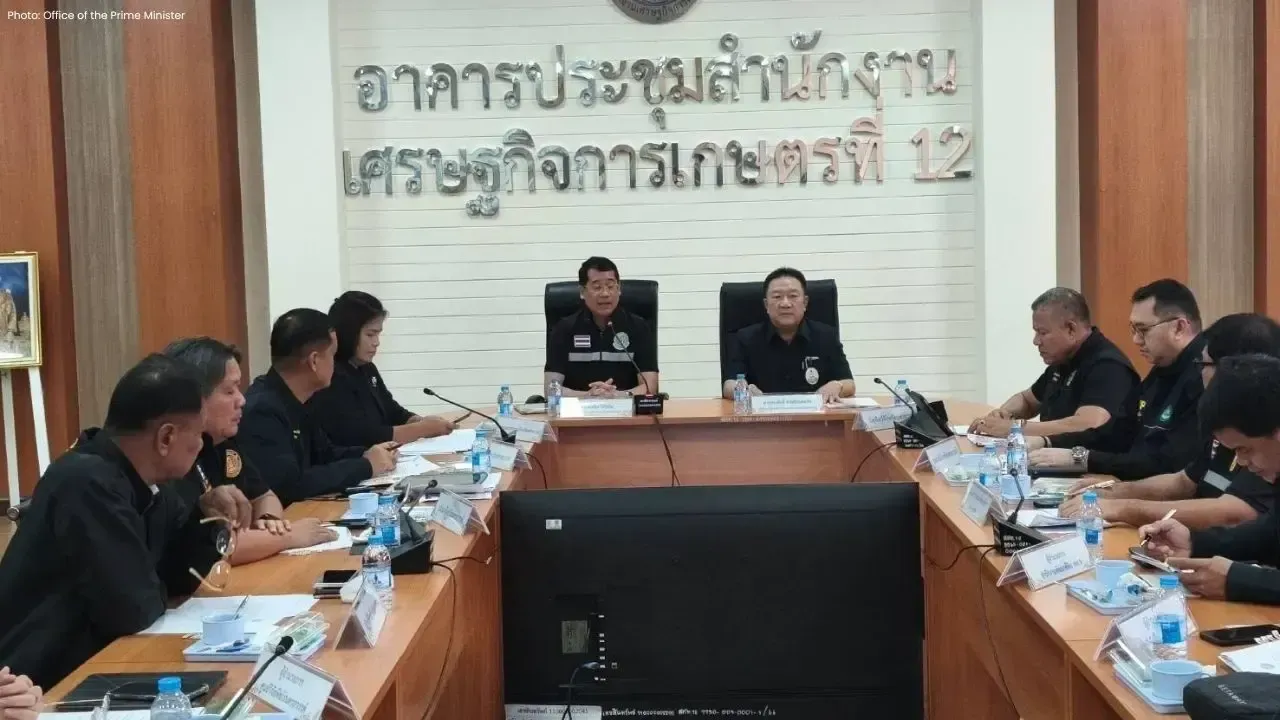
Thai Agriculture Team Reviews 2026 Farm Development Plans
Agriculture Ministry officials inspected livestock and organic rice projects in Nakhon Sawan to moni