You have not yet added any article to your bookmarks!
Join 10k+ people to get notified about new posts, news and tips.
Do not worry we don't spam!
Post by : Meena Ariff
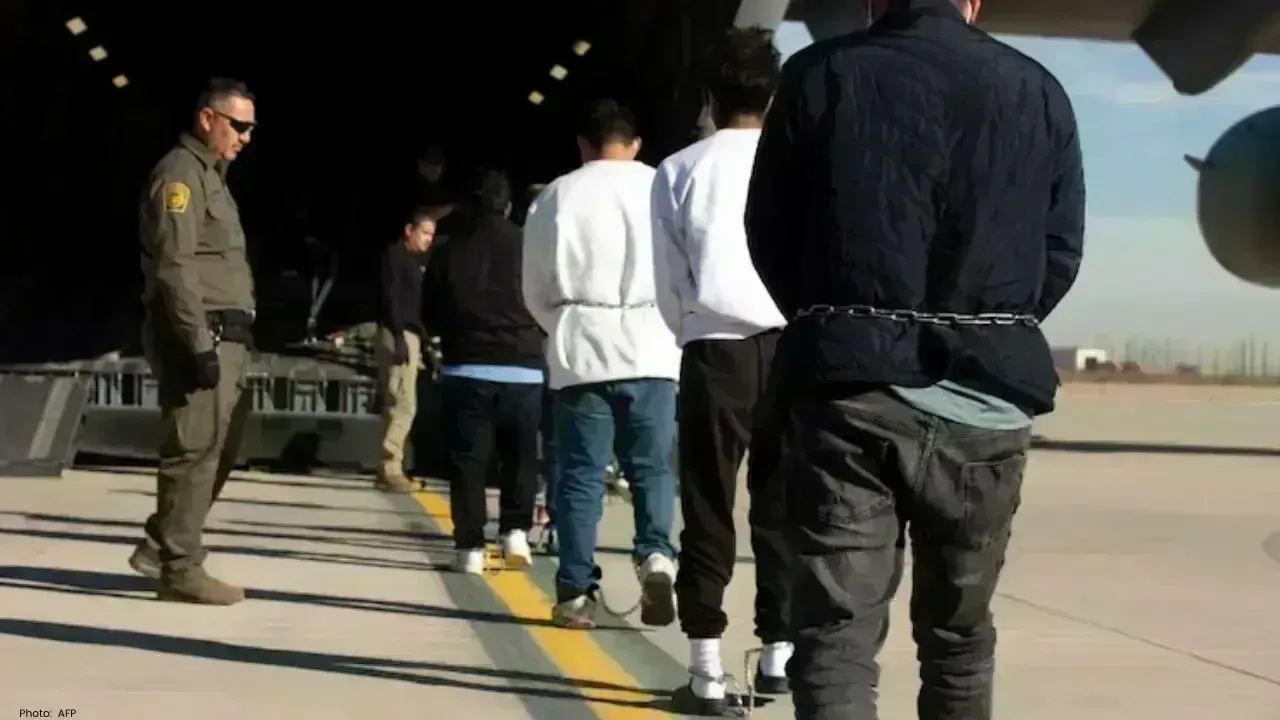
A recent nationwide survey has found that nearly 27 percent of immigrants living in the United States have deliberately avoided traveling—either within the country or abroad—to steer clear of immigration authorities. This cautious behavior is not limited to undocumented migrants alone but also includes lawfully present immigrants and even naturalized US citizens.
The survey, conducted in 2025 and encompassing over 1,800 immigrant adults from across the country, highlights the growing anxiety within immigrant communities in response to increased immigration enforcement under the previous administration.
Fear of enforcement was particularly high among undocumented immigrants, with nearly two-thirds (63 percent) reporting that they avoided both domestic and international travel altogether. Legal residents were also significantly impacted; around 32 percent of H-1B visa holders admitted to changing their travel plans to avoid possible encounters with immigration officials. Even 15 percent of naturalized US citizens reported avoiding travel due to concerns about heightened scrutiny.
This shift in travel behavior comes at a time when the United States enters its busy holiday season—typically one of the busiest travel periods of the year. Major holidays such as Thanksgiving, Christmas, and New Year's Eve usually see heavy road and air traffic, but this year many immigrants chose to stay put amid fears of increased immigration checks and enforcement efforts.
A key reason behind this widespread caution is the increased data-sharing between federal agencies. The Transportation Security Administration (TSA), responsible for airport security, reportedly began sharing domestic travel data, including passenger lists, with Immigration and Customs Enforcement (ICE). While immigration authorities traditionally refrained from using domestic flight data for enforcement, this practice has now become part of a broader strategy by the federal government to identify, detain, and deport individuals who may be in the country unlawfully.
H-1B visa holders appear especially affected by recent policy changes. In July 2025, the US State Department ended remote and third-country visa renewals for H-1B and H-4 visa applicants, requiring them to return to their home countries for interviews and processing. This led to long delays and backlogs at US consulates and embassies, especially in India. Many visa applicants had their interviews postponed by months or even years, with some not rescheduled until 2027. As a result, many skilled professionals found themselves stuck abroad, unable to return to their jobs and families in the United States.
In September 2025, an executive order introduced a new $100,000 fee for new H-1B visa applications, adding to the financial burden on immigrants seeking to work in the US. Additionally, social media screening of applicants was expanded, with immigration officials reviewing online activity more closely as part of the vetting process.
Despite these challenges and fears surrounding immigration enforcement, the survey revealed that most immigrants still see the United States as a land of opportunity. When asked if they would choose to move to the US again if given the chance, a majority responded affirmatively, underscoring the ongoing appeal of the country despite the difficulties.
The survey sheds light on the significant impact of immigration policies on the daily lives of immigrants, influencing even their decisions about travel during critical times. It also highlights the need for balanced immigration enforcement that considers the human aspect of migration and the importance of maintaining pathways for immigrants to contribute to the nation.








PSG Coach Luis Enrique Urges Players to Step Outside Comfort Zone
PSG coach Luis Enrique says players must leave their comfort zone and keep improving as the club tar

China’s Tiangong Sets New 400m Record at Robot Olympics
China’s Tiangong robot sets a new 400m record at the Robot Olympics, beating a South African robot i

George Russell Wins Dutch GP Sprint, Boosts Mercedes Morale
George Russell wins the Dutch GP Sprint from pole as Mercedes teammate Kimi Antonelli extends his F1

Australia 50/3 After Bangladesh Bowled Out for 64 in Second Test
Australia reached 50/3 after Bangladesh were bowled out for 64 in the second Test, with Mitchell Sta

Jordan Burroughs Returns to Wrestling with 2028 Olympic Dream
Jordan Burroughs returns to wrestling with Real American Freestyle as the Olympic champion eyes a po

Lamborghini Catches Fire on Singapore's ECP, Causing Heavy Traffic
A Lamborghini caught fire on Singapore's ECP, causing heavy traffic and bus delays. No injuries were