You have not yet added any article to your bookmarks!
Join 10k+ people to get notified about new posts, news and tips.
Do not worry we don't spam!
Post by : Anis Farhan
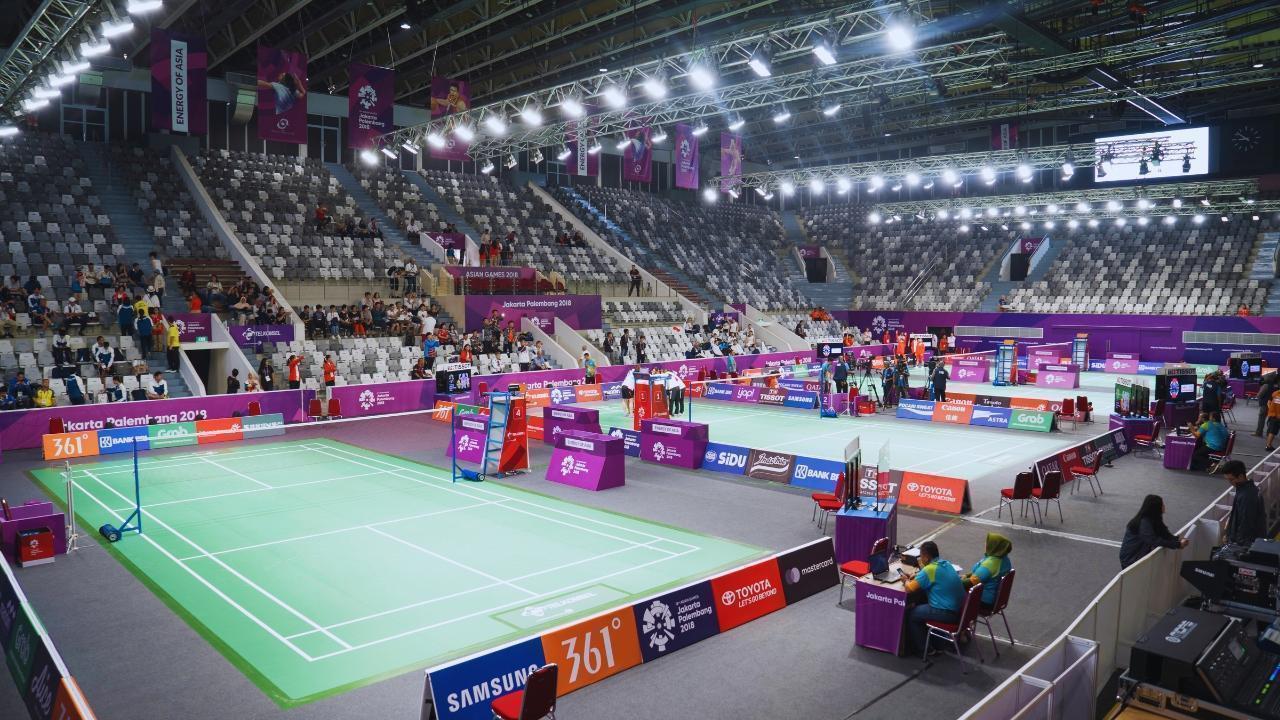
When the 2025 Asian Winter Games opened in Harbin, China, the spectacle was about more than medals and athletic excellence. It marked a statement of regional identity, a celebration of culture, and, importantly, a demonstration of soft power on the international stage. Through grand ceremonies, world-class facilities, and a warm reception for participating nations, China sought to showcase not just its sporting capabilities but also its diplomatic finesse. In an era where geopolitics often defines Asia’s headlines, the Winter Games emerged as a refreshing reminder that sports can serve as a unifying language across borders.
Harbin, often referred to as the “Ice City” of China, is renowned for its snow festivals and winter tourism. Hosting the Asian Winter Games was both a natural choice and a bold undertaking. The city underwent a significant transformation ahead of the Games, investing in infrastructure, hospitality, and sporting venues to meet international standards. These investments were not limited to the duration of the competition but were positioned as part of a larger strategy to make Harbin a global winter sports destination.
The local economy reaped immediate benefits. Hotels were filled to capacity, restaurants introduced bilingual menus, and transport systems were upgraded to handle the influx of visitors. Beyond economics, however, Harbin gained global recognition. The Games allowed the city to showcase its cultural heritage, blending traditional Chinese elements with modern sportsmanship.
For many Asian nations, winter sports have historically taken a back seat to football, cricket, or athletics. Yet, the Harbin Games reflected a shift. Countries from Central Asia, East Asia, and even the Middle East sent contingents to compete in skiing, ice hockey, figure skating, and snowboarding. This growth in participation underscores how the region is diversifying its sporting culture.
Emerging athletes from Kazakhstan, Uzbekistan, and Mongolia displayed talent in speed skating and biathlon, while nations like Japan and South Korea continued to assert their dominance in figure skating and short track. China itself fielded strong teams across disciplines, eager to cement its image as a winter sports powerhouse following the success of the 2022 Beijing Winter Olympics.
Hosting large-scale sporting events has long been a tool of soft power, and the Harbin Games were no exception. For China, it was an opportunity to highlight organizational capability, strengthen regional friendships, and project a positive image to the world. By ensuring that the event was inclusive and culturally rich, Beijing sought to foster goodwill among neighbors.
Opening ceremonies celebrated not only Chinese traditions but also paid homage to Asia’s diversity. Performances blended cultural motifs from participating countries, reflecting unity through sport. The Games were also carefully positioned as a symbol of cooperation at a time when the region faces complex challenges—from trade tensions to climate change.
Beyond the political symbolism, the Games gave a platform to athletes who became ambassadors of friendship. Ice hockey matches between rival nations drew crowds not just for their competitiveness but also for the spirit of sportsmanship on display. Figure skaters from Japan and China trained together, exchanging techniques and building personal bonds. Athletes from the Gulf region, many competing in winter sports for the first time, shared their experiences of adaptation and learning.
These interactions illustrate how sports create bridges where diplomacy often struggles. At the athlete level, competition and camaraderie went hand in hand, offering a reminder that cooperation need not be confined to formal meetings or summits.
The 2025 Asian Winter Games will leave behind a legacy that extends beyond medals. For Harbin, the Games were a catalyst for expanding tourism infrastructure and global branding. Already famous for its International Ice and Snow Sculpture Festival, Harbin has now positioned itself as a long-term winter sports hub. This aligns with China’s broader vision of integrating sports development with economic growth and tourism promotion.
Culturally, the Games created opportunities for cross-pollination. Visitors were introduced to Chinese arts, cuisine, and traditions, while local communities gained exposure to international customs and sporting cultures. Schools across Harbin launched winter sports programs to encourage youth participation, ensuring that the legacy of the Games continues into future generations.
In recent years, Asia has experienced its share of political tensions and territorial disputes. Against this backdrop, the Harbin Games provided a rare arena where differences were set aside. Delegations from countries with conflicting political interests stood together during the parade of nations, cheered for one another, and celebrated shared victories.
Sport proved once again that it has the ability to soften political boundaries. While it would be unrealistic to expect athletic competition to resolve longstanding disputes, the Games highlighted how shared cultural and sporting platforms can build goodwill that may eventually filter into diplomacy.
Of course, the Games were not without challenges. Logistical hurdles, such as managing large numbers of visitors in sub-zero temperatures, posed difficulties. Critics also questioned the scale of investment, arguing that funds could have been directed toward pressing social needs. Environmental concerns were raised about energy-intensive snow-making and the carbon footprint of large-scale construction projects.
Yet, despite these criticisms, the Games succeeded in delivering a safe, celebratory, and impactful event. The organizers emphasized sustainability through green energy use in venues and eco-friendly transport solutions, demonstrating an awareness of global climate concerns.
The 2025 Asian Winter Games represent more than a single event—they symbolize Asia’s growing commitment to winter sports and international engagement. Already, discussions are underway about nurturing regional winter sports leagues, promoting talent exchanges, and strengthening cooperation in training facilities.
For China, the Games reinforced its status as a host capable of organizing mega sporting events with efficiency and grandeur. For other Asian nations, it offered both inspiration and a roadmap to integrate winter sports into national athletic programs. The legacy of Harbin may thus lie not only in the medals won but in the momentum it created for the future of winter sports across Asia.
The Harbin Games were a vivid reminder that sports remain one of the most powerful tools of diplomacy and cultural exchange. By bringing together athletes, spectators, and leaders from across the continent, the event transcended politics and delivered a message of unity. While geopolitical rivalries may continue to shape Asia’s landscape, the 2025 Asian Winter Games demonstrated that common ground can be found in the shared pursuit of excellence and celebration of human potential.
In the final analysis, the Games were about more than competition. They were about stories of perseverance, moments of solidarity, and the enduring power of sport to connect people. In Harbin, Asia witnessed not only winter sports at their finest but also the unfolding of soft power at its most subtle and effective.




Jordan Burroughs Returns to Wrestling with 2028 Olympic Dream
Jordan Burroughs returns to wrestling with Real American Freestyle as the Olympic champion eyes a po

Lamborghini Catches Fire on Singapore's ECP, Causing Heavy Traffic
A Lamborghini caught fire on Singapore's ECP, causing heavy traffic and bus delays. No injuries were

Bangkok Airport Duty-Free Area Flooded by Pipe Burst
A burst water pipe flooded the duty-free shopping area at Bangkok's Suvarnabhumi Airport on July 16,

Nine Monks Killed in Thailand Pickup Truck Tragedy
An 11-year-old boy driving a pickup truck crashed into monks during a pilgrimage in northeastern Tha
Anwar Congratulates Xi on CPC's 105th Anniversary
Malaysia reaffirms strong ties with China as PM Anwar Ibrahim sends a congratulatory letter to Presi
Thai Agriculture Team Reviews 2026 Farm Development Plans
Agriculture Ministry officials inspected livestock and organic rice projects in Nakhon Sawan to moni