You have not yet added any article to your bookmarks!
Join 10k+ people to get notified about new posts, news and tips.
Do not worry we don't spam!
Post by : Anis Farhan
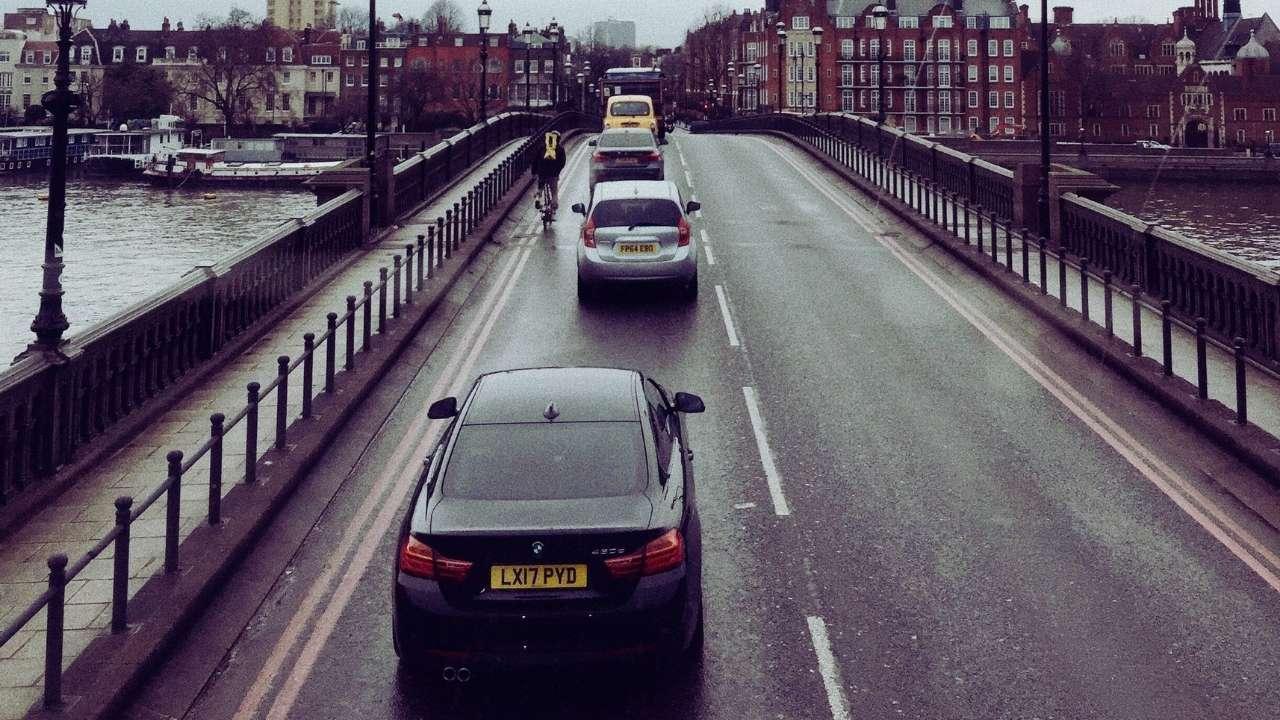
If you’ve ever traveled abroad, one of the first things you may notice is traffic flowing on the “other” side of the road. In most countries, vehicles drive on the right, but in nations like the United Kingdom, India, Japan, and Australia, the left side is the rule. While this might seem unusual at first glance, the choice between left and right is far from random. It is deeply rooted in history, practicality, and even colonial legacy.
The roots of left-side travel stretch back to ancient times. Historical evidence suggests that most people in the Roman Empire kept to the left when traveling. Archaeological findings, including road grooves near Roman quarries, reveal that carts and chariots were directed to the left side of the road.
The reasoning was practical: since most people were right-handed, traveling on the left allowed them to keep their dominant hand free for defense. Whether it was wielding a sword or simply greeting a fellow traveler, the left side offered better control and safety.
The medieval era further solidified left-side travel. Knights on horseback preferred to ride on the left so that their swords, carried on the left hip, could be easily drawn with the right hand against an approaching opponent. Jousting tournaments also reinforced this tradition, with competitors approaching each other from the left.
This medieval practice influenced road customs for centuries, especially in Europe, and became a natural part of social and military life.
Not all regions stuck to the left. A significant shift occurred in the late 18th century, particularly in France and the United States. During the French Revolution, the aristocracy traditionally traveled on the left side, while peasants were forced to the right. After the Revolution, driving on the right became a symbol of equality.
In the United States, the introduction of large freight wagons in the 18th and 19th centuries also influenced this shift. Drivers sat on the left-hand side of these wagons, holding reins in their left hand and using their right hand to whip horses. Sitting on the left made it easier to pass oncoming traffic if everyone kept to the right.
Gradually, right-side driving became standard in continental Europe and spread globally as French and American influence grew.
British colonial expansion in the 18th and 19th centuries ensured the spread of left-side driving to many parts of the world. Nations under British rule, such as India, Australia, New Zealand, and several African countries, adopted the British system. Japan, though never colonized by Britain, also adopted left-side driving in the late 19th century, influenced by British advisors and railway construction practices.
This explains why large parts of Asia, Africa, and Oceania still follow left-side driving traditions today.
Currently, around 65 countries and territories drive on the left side of the road. Some of the most notable include:
United Kingdom
Ireland
India
Japan
Australia
New Zealand
South Africa
Thailand
Singapore
Kenya
Though these countries represent only about one-third of the world’s nations, they account for a significant portion of the global population due to India and other heavily populated regions.
One key aspect of left-side driving is vehicle design. In countries where traffic flows on the left, cars have the driver’s seat on the right-hand side, ensuring better visibility of oncoming traffic. Conversely, right-side driving countries have left-hand drive vehicles.
This distinction creates challenges in international trade, as vehicles must often be specially manufactured or modified to suit a country’s road rules.
Psychologists and traffic engineers have long debated whether left-side or right-side driving is safer. Some studies suggest that left-side driving might give drivers an advantage, since the dominant right hand is used more effectively in gear-shifting and steering precision. Others argue that the difference is minimal and that safety depends more on road conditions, infrastructure, and traffic regulations.
Nonetheless, drivers often struggle when switching from one system to another, especially tourists who rent cars abroad. Governments address this through road signs, reminders, and even painted arrows on highways near airports.
Switching from left-side to right-side driving, or vice versa, is rare because of the enormous costs involved. Changing road signs, traffic lights, bus stops, and vehicle designs would require significant investment.
A famous example is Sweden, which switched from left to right in 1967 in an operation known as “Dagen H” (H Day). The transition required months of preparation, public awareness campaigns, and major infrastructure changes. While successful, the experience discouraged many other countries from attempting such a large-scale switch.
Today, the choice of driving side is largely determined by historical influences rather than safety concerns. Europe is mostly right-sided, with the UK and Ireland as exceptions. In Asia, countries are split, with India, Japan, and much of Southeast Asia driving on the left, while China drives on the right. Africa presents a mix, depending on colonial history, while the Americas are overwhelmingly right-sided due to U.S. influence.
For international travelers, the driving side is often a source of curiosity — and sometimes anxiety. Tourists arriving in the UK, Japan, or Australia must quickly adapt to left-side traffic, which can feel unnatural at first. Rental car companies and governments provide guides and reminders to ensure safety.
Roundabouts, intersections, and highway exits often prove the most challenging for visitors, but with practice, most drivers adjust quickly.
Beyond practicality, driving sides carry symbolic weight. For Britain, continuing to drive on the left reflects national identity and tradition. For former colonies, the system sometimes represents a lingering legacy of colonial history.
The persistence of both systems in today’s interconnected world is a reminder that history, culture, and tradition often outweigh uniformity.
Why some countries drive on the left while others drive on the right is a fascinating story of history, practicality, and cultural legacy. From ancient Roman soldiers to medieval knights, from French revolutionaries to British colonists, road rules have always reflected broader social forces.
Today, while right-side driving dominates globally, left-side driving continues to thrive in dozens of nations, connecting modern practices with centuries-old traditions. The road may differ from one country to another, but the shared goal remains the same: keeping people safe as they journey forward.
This article is for informational purposes only. Readers are encouraged to check local traffic laws and driving practices when traveling abroad.








George Russell Wins Dutch GP Sprint, Boosts Mercedes Morale
George Russell wins the Dutch GP Sprint from pole as Mercedes teammate Kimi Antonelli extends his F1

Australia 50/3 After Bangladesh Bowled Out for 64 in Second Test
Australia reached 50/3 after Bangladesh were bowled out for 64 in the second Test, with Mitchell Sta

Jordan Burroughs Returns to Wrestling with 2028 Olympic Dream
Jordan Burroughs returns to wrestling with Real American Freestyle as the Olympic champion eyes a po

Lamborghini Catches Fire on Singapore's ECP, Causing Heavy Traffic
A Lamborghini caught fire on Singapore's ECP, causing heavy traffic and bus delays. No injuries were

Bangkok Airport Duty-Free Area Flooded by Pipe Burst
A burst water pipe flooded the duty-free shopping area at Bangkok's Suvarnabhumi Airport on July 16,

Nine Monks Killed in Thailand Pickup Truck Tragedy
An 11-year-old boy driving a pickup truck crashed into monks during a pilgrimage in northeastern Tha