
You have not yet added any article to your bookmarks!
Join 10k+ people to get notified about new posts, news and tips.
Do not worry we don't spam!
Post by : Anis Farhan
For many years, wave and tidal energy remained on the outskirts of global renewable energy discussions. Despite their vast potential, technical constraints, high implementation costs, and challenging marine conditions hindered their development. However, that barrier is now being dismantled as commercial-scale projects in wave and tidal energy emerge, with cooperation among governments, researchers, and clean technology companies to expedite implementation.
In contrast to solar and wind energy—which depends on weather conditions—marine energy offers stable, predictable energy outputs. This reliability positions wave and tidal systems as promising renewable resources for coastal nations with robust ocean currents.
Significant global factors are propelling the transition towards ocean-based energy:
growing demand for reliable clean energy solutions
climate commitments necessitating near-zero emissions
the need for diversified renewable energy options
a drive to reduce dependence on fossil-fuel alternatives
coastal countries pursuing energy autonomy
Wave and tidal energy are unique in their predictability, allowing grid operators to forecast power generation years ahead—a significant advantage within the renewables sector.
Wave energy is obtained through the movement of surface waves, while tidal energy is derived from the gravitational forces of the moon and sun, resulting in regular tidal movements.
Notable features include:
predictability: tides adhere to established cycles
consistency: global wind patterns influence wave activity
high energy density: ocean water's density surpasses that of air
minimal visual disruption: most technologies remain underwater
significant energy generation at night: unlike solar, generation persists post-sunset
These qualities render ocean energy a potent complement to wind and solar, enhancing the balance of national energy frameworks.
Recent advancements in marine energy technology have been remarkable. Current devices boast improved durability, efficiency, and affordability. Innovation spans all aspects of systems—from design to materials to installation methodologies.
materials resistant to corrosion, extending the lifespan of equipment
adaptable floating platforms that lower installation costs
compact turbines with minimal seabed modification
modular components for simplified repairs
AI-driven maintenance forecasting
energy capturing devices functional in low-wave zones
underwater robotics for enhanced installation and oversight
These advancements are eliminating historical obstacles that restricted the growth of ocean energy.
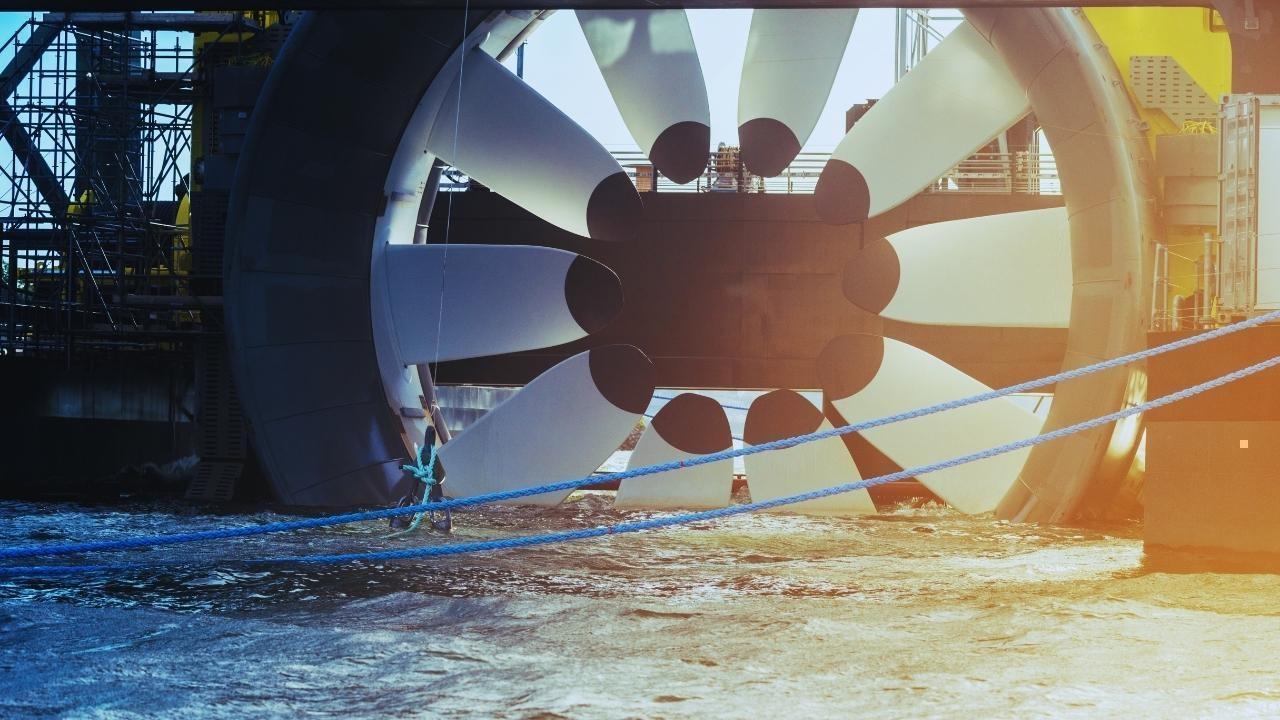
Operating like underwater wind turbines, tidal stream turbines represent the most developed marine energy technology.
Reasons for their swift adoption include:
dependable power generation
compact designs that are easy to install
efficiency in strong currents
minimal interference with maritime operations
reduced maintenance demands due to enclosed designs
Countries such as the UK, Canada, France, South Korea, and select regions in Southeast Asia are ramping up their capacities in these waters.
Wave energy converters come in a variety of designs, including point absorbers, oscillating water columns, attenuators, and overtopping devices.
Recent engineering breakthroughs encompass:
flexible membranes mimicking marine life
multi-directional energy harvesting capabilities
hybrid WEC-solar integration
small-format solutions for island-based communities
These innovations enable wave energy to be a practical solution in regions where earlier systems struggled.
The integration of hybrid marine technologies emerges as a key innovation. Companies are combining wave and tidal systems with:
offshore wind setups
floating solar energy farms
underwater energy storage solutions
This integration optimizes infrastructure use and reduces costs. Hybrid platforms ensure stable energy generation—when wind conditions are low, wave energy may peak, and vice versa.
Historically, wave and tidal energy carried high costs. Yet, expenses are rapidly dropping due to:
superior materials
economies of scale in production
enhanced supply chain efficiencies
longer equipment lifetimes
streamlined installation methods
design optimizations that mitigate drag and deterioration
As production scales increase, costs are predicted to plummet further, echoing the trends seen in solar and wind technologies.
Initial criticisms suggested that marine energy solutions could disrupt marine habitats. Yet, recent evaluations indicate a more favorable impact.
Ocean energy systems may:
form man-made reefs
attract diverse marine species
eliminate the necessity for seabed extraction
curtail carbon-intensive coastal power generation
operate with less noise than marine traffic or oil operations
When developed with care, wave and tidal energy initiatives can bolster healthier marine ecosystems.
Wave and tidal energy projects frequently supply power to remote coastal areas and islands where traditional renewable options are limited.
Advantages comprise:
consistent, eco-friendly electricity
lessened reliance on diesel generators
creation of job opportunities in marine sectors
enhanced energy autonomy
year-round energy predictability
Communities in regions such as the North Atlantic, Pacific Islands, and Nordic coasts are reaping these benefits firsthand.
One major hurdle in renewable energy is variability. Ocean-based energy offers a solution with:
predictable daily energy cycles
continuous generation, even during storms
reduced seasonal fluctuations compared to wind or solar
These attributes enhance the viability of tidal and wave energy in stabilizing national grids.
For countries to meet their climate goals, a diverse array of renewable sources must be deployed. Wave and tidal energy offer:
high reliability
excellent synergy with storage solutions
strong performance during nighttime
options for nations with expansive marine territories
With governments intensifying their decarbonization strategies, ocean energy is increasingly included in national energy plans.
Public and private sectors are rapidly increasing investments in marine energy initiatives. Coastal nations are providing:
tax benefits
grants for green infrastructure
simplified approval processes
pilot project permissions
collaborative research initiatives
Such policies are driving rapid deployment.
Despite advancements, ocean energy still confronts some hurdles:
substantial initial investment
severe marine environments
restricted supply chains
prolonged regulatory timelines
challenges in scaling production
intricate maintenance logistics
However, these challenges are being methodically addressed through innovative engineering and global partnerships.
Experts anticipate rapid growth in wave and tidal energy due to:
global electrification initiatives
pressing climate action
decreasing cost trends
enhanced durability of devices
strong governmental backing
investor interest in consistent renewable sources
As these factors converge, ocean energy is set to emerge as a mainstream power alternative.
Looking ahead, expect:
multi-technology ocean energy hubs
modular turbines for river systems
underwater energy storage technologies
floating facilities for hydrogen generation
charging stations for marine vessels
AI-operated marine microgrids
Ocean energy may soon power not only residences but also industries, transport infrastructure, and offshore assets.
Wave and tidal energy technologies have progressed beyond the experimental phase. Enhanced technology, improved eco-compatibility, decreasing costs, and solidifying policy support indicate that these marine renewable sources are set to scale significantly. Coastal nations and island regions stand to gain significantly as ocean energy integrates deeper into global clean-energy frameworks.
This transition marks a critical step forward in the global journey toward developing more resilient, sustainable, and diverse renewable energy pathways.
This article summarizes developments in global clean-energy. Actual deployment and performance may differ by region, and readers should consult local energy authorities for specific information.










PM Modi Pays Tribute to Mahatma Gandhi, Urges People to Support Khadi
PM Modi pays tribute to Mahatma Gandhi on Gandhi Jayanti and urges citizens to support Khadi and the

Amazon Seeks to Offload $8 Billion in Nvidia Chips to Investors
Amazon plans to move $8 billion in Nvidia chips to investors, using a new financing model to strengt

Samsung Raises Galaxy S26 Prices as Memory Chip Costs Rise
Samsung raises Galaxy S26 prices in South Korea as rising memory chip costs put pressure on smartpho

Lewis Hamilton Calls Singapore Grand Prix One of F1's Toughest Races
Lewis Hamilton discusses the demanding Singapore Grand Prix and brings Plus44 and Almave to Singapor

Denmark's Pandora Opens World's Largest Jewellery Factory in Vietnam
Pandora opens its largest jewellery factory in Vietnam, expanding global production, strengthening s

Gautam Gambhir Questions Batting-Friendly Pitches After India's Record ODI Chase
Gautam Gambhir questions batting-friendly ODI pitches after India’s record chase, calling for a bett

