
You have not yet added any article to your bookmarks!
Join 10k+ people to get notified about new posts, news and tips.
Do not worry we don't spam!
Post by : Saif Rahman
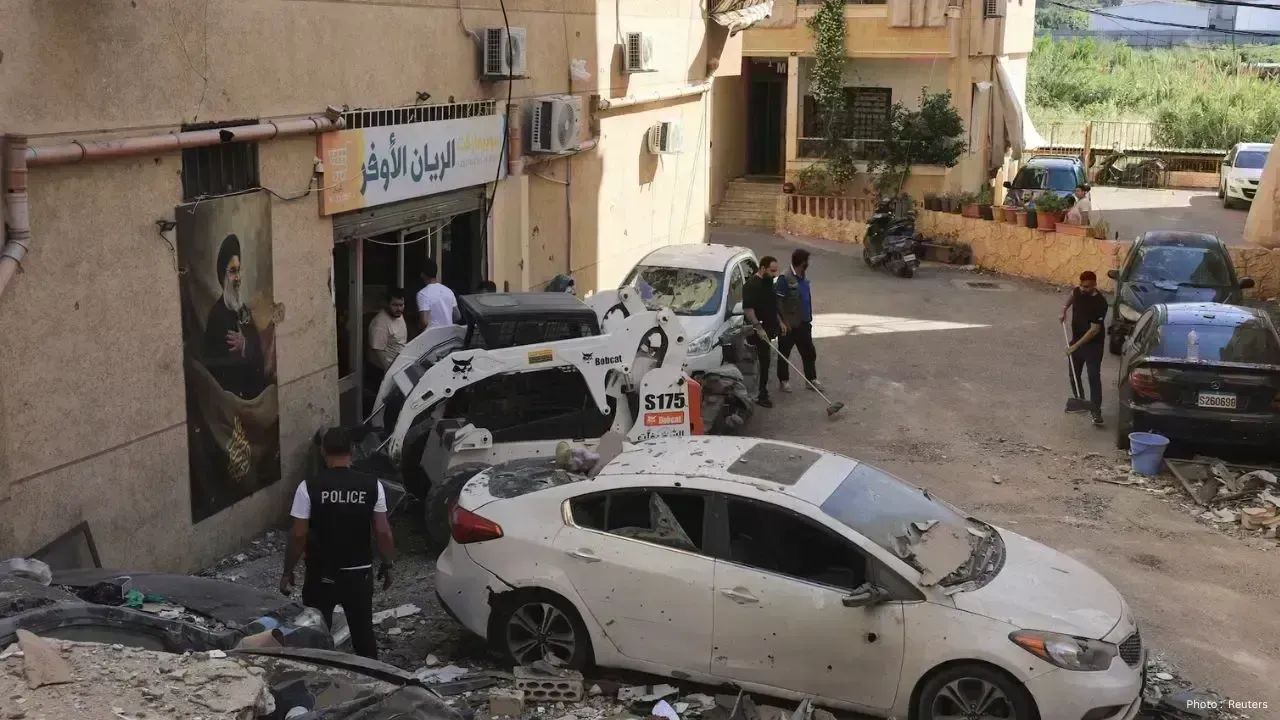
The United States is intensifying its efforts to mitigate rising hostilities between Israel and Lebanon, a situation that has escalated along the border. With military confrontations intensifying, this proposal emerges at a crucial moment aimed at cooling tensions and fostering a stable security framework.
The American initiative centers on a phased decrease of hostilities, where Hezbollah is encouraged to halt attacks on Israeli territory while Israel is urged to refrain from extending military actions in Beirut. Advocates of this approach believe these measures may pave the way for broader negotiations and lessen the immediate threat of an intensified conflict.
This latest diplomatic overture marks a growing concern among global leaders regarding the Israel-Lebanon border situation. Previous ceasefire arrangements managed to alleviate tensions temporarily, but repeated breaches and reciprocal allegations have undermined trust among the involved parties. Consequently, working towards a durable agreement has become increasingly precarious.
Immediate military actions within the past weeks have highlighted the urgency for further diplomatic engagement. Reports indicate that Israeli operations in southern Lebanon have escalated following rocket launches impacting northern Israeli towns. These security threats are triggering disruptions in everyday life for residents on both sides of the border.
For Washington, the objective is to avert a wider regional conflict. Ongoing exchanges of fire risk drawing more participants into the conflict, potentially triggering a larger crisis. Policymakers assert that de-escalating tensions now is essential for maintaining regional stability and international security.
Lebanese authorities have voiced their commitment to diplomatic dialogue, although significant disagreements persist. Political leaders in Beirut continue to insist that an end to military actions is a prerequisite for any meaningful progress. These conflicting sentiments illustrate the complexity of negotiations and the challenges in rebuilding trust after extended conflict.
The violence's humanitarian ramifications are becoming increasingly apparent. Affected communities are facing displacement, deteriorating infrastructure, and economic struggles. Families forced from their homes encounter uncertainties, while local businesses and public services grapple with severe operational challenges.
Israeli officials maintain that their foremost priority is civilian protection. They argue that security operations are vital responses to assaults on towns and communities near the border. This stance continues to guide the nation’s current military initiatives.
Beyond the immediate conflict zone, the situation has garnered global scrutiny due to potential economic repercussions. The increased tensions in the region typically sway energy markets and trade routes, with investors and policymakers keenly observing developments, as prolonged instability could impact economic confidence worldwide.
Many governments prefer diplomatic engagement to sidestep a broader confrontation. International allies actively promote dialogue, restraint, and actionable measures to mitigate violence. While negotiations are fraught with difficulty, many hold that sustained communication offers a glimmer of hope for progress.
While the proposed ceasefire framework may not address all core issues between Israel and Lebanon, it stands as a significant effort to avert further escalation. Its success hinges on collaboration, meticulous execution, and a genuine commitment to decreasing hostilities.
The unfolding events in the coming weeks are set to significantly impact the conflict's trajectory. The choices made by political figures, military leaders, and international intermediaries will determine whether the region inches closer to stability or plunges into further turmoil. For those residing near the border, the lingering hope is that diplomacy will prevail where violence has faltered, paving the way for a peaceful resolution.








APEC Members Emphasise Safe and Responsible Use of Artificial Intelligence
APEC members discuss responsible AI use, digital innovation and data governance as China and the US

Union of European Clubs Challenge UEFA and EFC Over EU Competition Rules
UEC files an EU competition complaint against UEFA and EFC, challenging club representation, governa

Mohammed Shami Retires From Test Cricket, Eyes White-Ball Career
Mohammed Shami retires from Test cricket after 13 years, with 229 wickets. He will continue playing

Singapore Warns Users About Privacy and Security Risks of AI Agents
Singapore warns users about AI agent security risks, data privacy, online scams and unauthorised acc

Chris Lynn Completes One-Month Ban After Positive Cocaine Test
Australian cricketer Chris Lynn completes a one-month ban after a positive cocaine test during the T

Djokovic Eyes Strong Season Finish as Health Improves Ahead of Paris Masters
Novak Djokovic reports improved health and performance as he targets a strong Paris Masters finish a