You have not yet added any article to your bookmarks!
Join 10k+ people to get notified about new posts, news and tips.
Do not worry we don't spam!
Post by : Anis Farhan
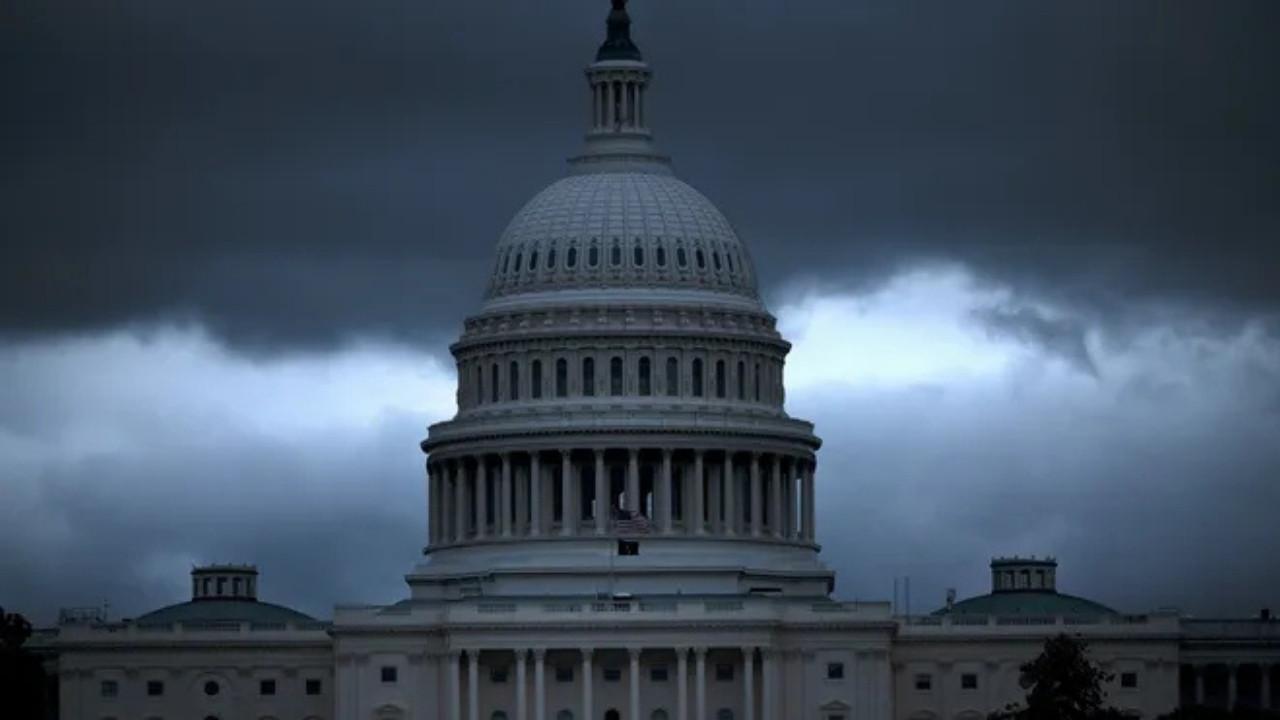
The U.S. government has officially entered its third consecutive week of shutdown, marking one of the most protracted interruptions of federal operations in recent history. The deadlock stems from disputes over budget allocations, policy disagreements, and ongoing legal challenges that are complicating congressional negotiations. As the crisis stretches on, essential services continue operating in a limited capacity, while numerous federal employees face furloughs and financial strain. The shutdown’s implications are far-reaching, affecting not just government workers but also the broader economy, public services, and political stability.
At the heart of the shutdown are deep divisions over federal spending priorities. Lawmakers in Congress have been unable to agree on a budget that satisfies both sides of the aisle. The primary points of contention include:
Funding for defense and military programs.
Social welfare and healthcare allocations.
Infrastructure spending and disaster relief programs.
Complicating matters further, several proposed spending bills have been blocked or challenged in federal courts, delaying implementation and forcing the executive branch to operate under temporary funding measures. These legal challenges have created a stalemate that shows little sign of immediate resolution, prolonging the uncertainty.
Federal employees are among the most directly affected by the shutdown. Thousands of government workers have been furloughed without pay, while those deemed essential are required to work without immediate compensation. Key agencies impacted include:
Department of Homeland Security.
National Parks and Federal Land Management.
Internal Revenue Service.
Transportation Security Administration.
The disruption has led to growing frustration among employees, many of whom rely on their salaries for essential expenses. Uncertainty over paychecks has also triggered temporary financial stress, increasing demands for emergency support programs.
A prolonged government shutdown has significant repercussions for the U.S. economy. Analysts warn that continued interruptions could slow economic growth, affect consumer confidence, and disrupt financial markets. Key economic impacts include:
Delays in federal contracts affecting businesses that rely on government projects.
Interruption of social welfare programs affecting low-income communities.
Slowdown in tax processing and federal reimbursements affecting household cash flow.
Potential downgrades in national credit ratings if the crisis continues without resolution.
Small businesses and contractors are particularly vulnerable, as payment delays or contract freezes threaten their operations. Additionally, prolonged uncertainty can ripple through stock markets, as investors react to political instability.
Beyond the economic sphere, citizens are experiencing direct effects in daily life. Public services such as national parks, regulatory agencies, and visa processing are either operating at minimal capacity or are temporarily suspended. This has resulted in:
Closure of popular tourist destinations under federal management.
Delays in permit approvals and bureaucratic procedures.
Reduced capacity in law enforcement and emergency response in non-essential areas.
The public inconvenience further amplifies pressure on lawmakers to resolve the impasse, but political divisions continue to stall meaningful progress.
The ongoing shutdown is generating significant political fallout. Lawmakers face growing criticism from constituents and media outlets, while leadership at both ends of the political spectrum navigates the delicate balance between policy goals and public sentiment. Notable political implications include:
Increased tension between the executive branch and Congress over budgetary control.
Potential for midterm elections or political campaigns to hinge on blame for the shutdown.
Public opinion surveys indicating declining trust in government efficacy.
Legal challenges have only compounded these tensions, creating a complex web of procedural and constitutional hurdles that lawmakers must navigate.
Several recent lawsuits have targeted specific appropriations bills and executive orders, questioning their legality and delaying implementation. These legal disputes have:
Suspended the activation of certain budget items.
Blocked temporary funding measures that would prevent service interruptions.
Created uncertainty over enforcement of existing regulations and programs.
Legal analysts predict that court decisions in the coming weeks will be pivotal in determining the duration of the shutdown and potential remedies for affected employees and agencies.
Citizens and organizations have expressed widespread concern over the shutdown. Social media platforms, news outlets, and civic groups have highlighted the human cost of political stalemates. Public reactions include:
Outrage over delayed federal services affecting daily life.
Empathy for furloughed employees and families struggling financially.
Calls for bipartisan negotiation to restore full government operations.
Community organizations and non-profits have stepped in to provide temporary support, but the prolonged nature of the shutdown has placed a strain on local resources.
Lawmakers continue negotiations to end the shutdown, with several strategies being considered:
Passing a temporary continuing resolution to fund essential services.
Negotiating a bipartisan budget agreement addressing key points of contention.
Legal settlements or court rulings to unblock disputed appropriations.
While optimism remains that a resolution can be reached soon, political analysts caution that the ongoing legal battles and partisan disagreements could extend the shutdown further.
The third week of the U.S. government shutdown underscores the fragility of political consensus in a polarized environment. As federal employees remain furloughed, public services operate at reduced capacity, and economic uncertainties mount, the urgency for a resolution has never been higher. Citizens, businesses, and lawmakers alike are keenly watching developments, hoping for swift action to restore full government operations.
The crisis serves as a reminder of the interconnected nature of governance, law, and society—showing how delays in decision-making at the federal level can reverberate through every aspect of public life.
This article is based on the latest available information at the time of writing. Developments regarding the U.S. government shutdown, legal proceedings, and federal operations are subject to change.








George Russell Wins Dutch GP Sprint, Boosts Mercedes Morale
George Russell wins the Dutch GP Sprint from pole as Mercedes teammate Kimi Antonelli extends his F1

Australia 50/3 After Bangladesh Bowled Out for 64 in Second Test
Australia reached 50/3 after Bangladesh were bowled out for 64 in the second Test, with Mitchell Sta

Jordan Burroughs Returns to Wrestling with 2028 Olympic Dream
Jordan Burroughs returns to wrestling with Real American Freestyle as the Olympic champion eyes a po

Lamborghini Catches Fire on Singapore's ECP, Causing Heavy Traffic
A Lamborghini caught fire on Singapore's ECP, causing heavy traffic and bus delays. No injuries were

Bangkok Airport Duty-Free Area Flooded by Pipe Burst
A burst water pipe flooded the duty-free shopping area at Bangkok's Suvarnabhumi Airport on July 16,
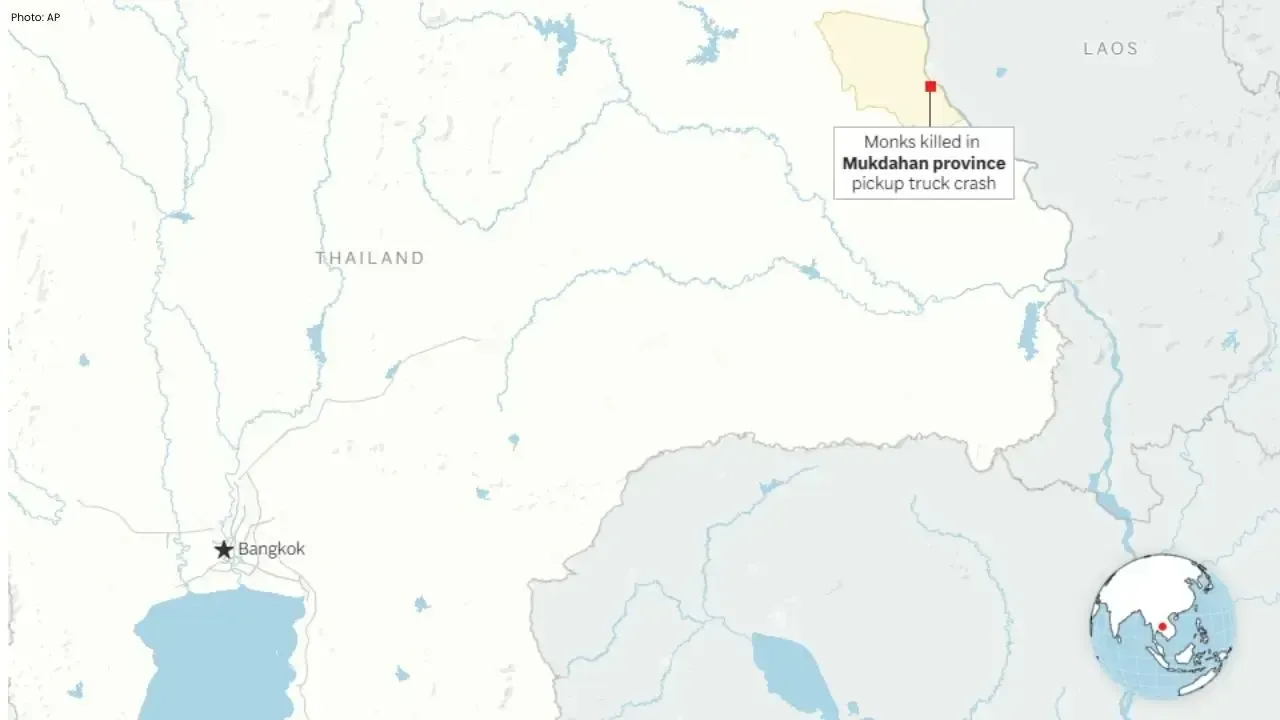
Nine Monks Killed in Thailand Pickup Truck Tragedy
An 11-year-old boy driving a pickup truck crashed into monks during a pilgrimage in northeastern Tha