You have not yet added any article to your bookmarks!
Join 10k+ people to get notified about new posts, news and tips.
Do not worry we don't spam!
Post by : Saif Rahman
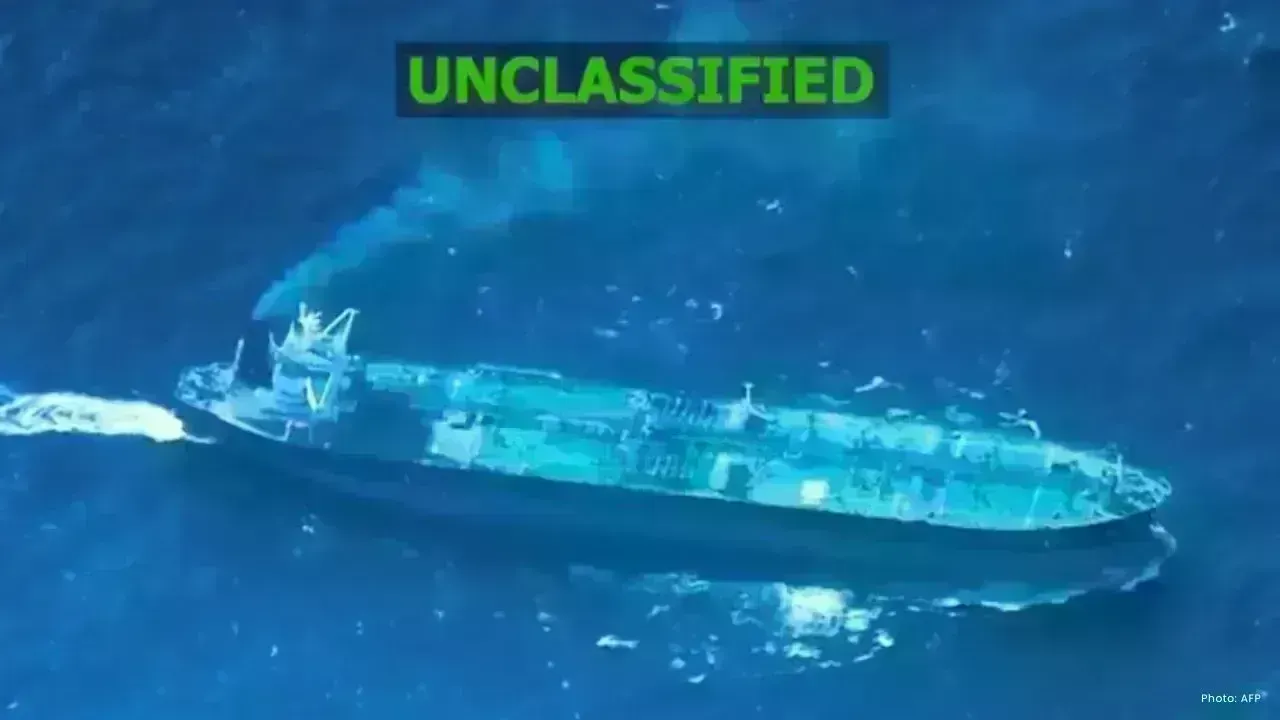
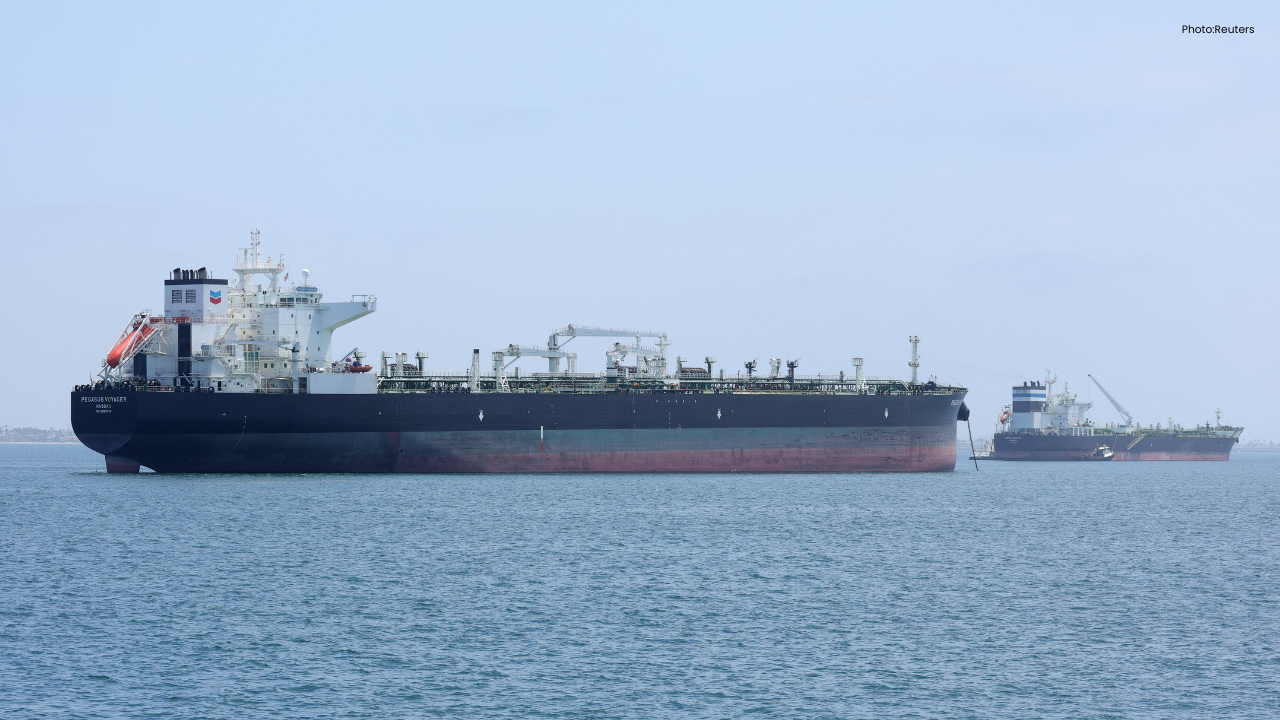
The US government has taken control of a seventh oil tanker related to Venezuela, marking an escalation in its efforts to enforce sanctions against the nation’s oil sector. This latest action unfolded in the Caribbean Sea and occurred without incident, as confirmed by US officials. This decision underscores Washington's ongoing attempts to curb oil shipments believed to breach American laws.
According to US authorities, the seized tanker was involved in Venezuela’s oil trade and was operating outside recognized channels. Venezuela relies heavily on oil exports as its primary source of revenue, and the US has imposed stringent restrictions on how and where this oil can be marketed. These sanctions aim to decrease the financial resources available to the Venezuelan government.
This incident marks the seventh tanker captured in recent weeks. US officials indicate that several vessels attempt to conceal their operations by deactivating tracking systems or employing convoluted ownership structures. The US contends that such tactics are intended to sidestep sanctions and covertly sell oil to international buyers.
American officials defend these seizures as essential for upholding the law and curbing illicit oil transactions. They assert that the aim is to promote transparency within the oil industry and ensure adherence to sanctions. The US has warned shipping companies and traders against engaging in unauthorized Venezuelan oil operations.
Nevertheless, these actions have prompted concerns among critics. Some analysts caution that seizing tankers on open seas may engender legal and diplomatic complications. They warn that such actions could escalate tensions in the region and jeopardize global shipping safety.
For Venezuela, these ongoing seizures exacerbate the pressures on an economy already grappling with soaring inflation, shortages, and declining oil production. With fewer tankers available to export oil, the nation faces an even steeper challenge in generating revenue for essential needs like food, fuel, and medicine.
The implications extend beyond Venezuela. Disruptions in oil shipments could influence international energy markets, creating uncertainty for traders and shipping firms. Other nations are observing closely to gauge the lengths to which the US will go in its sanctions enforcement.
As the US intensifies its campaign against Venezuelan oil exports, the potential for broader international discourse looms. The approaching weeks will reveal whether this strategy strengthens sanctions compliance or invites new obstacles in global commerce and diplomacy.




George Russell Wins Dutch GP Sprint, Boosts Mercedes Morale
George Russell wins the Dutch GP Sprint from pole as Mercedes teammate Kimi Antonelli extends his F1

Australia 50/3 After Bangladesh Bowled Out for 64 in Second Test
Australia reached 50/3 after Bangladesh were bowled out for 64 in the second Test, with Mitchell Sta

Jordan Burroughs Returns to Wrestling with 2028 Olympic Dream
Jordan Burroughs returns to wrestling with Real American Freestyle as the Olympic champion eyes a po

Lamborghini Catches Fire on Singapore's ECP, Causing Heavy Traffic
A Lamborghini caught fire on Singapore's ECP, causing heavy traffic and bus delays. No injuries were

Bangkok Airport Duty-Free Area Flooded by Pipe Burst
A burst water pipe flooded the duty-free shopping area at Bangkok's Suvarnabhumi Airport on July 16,
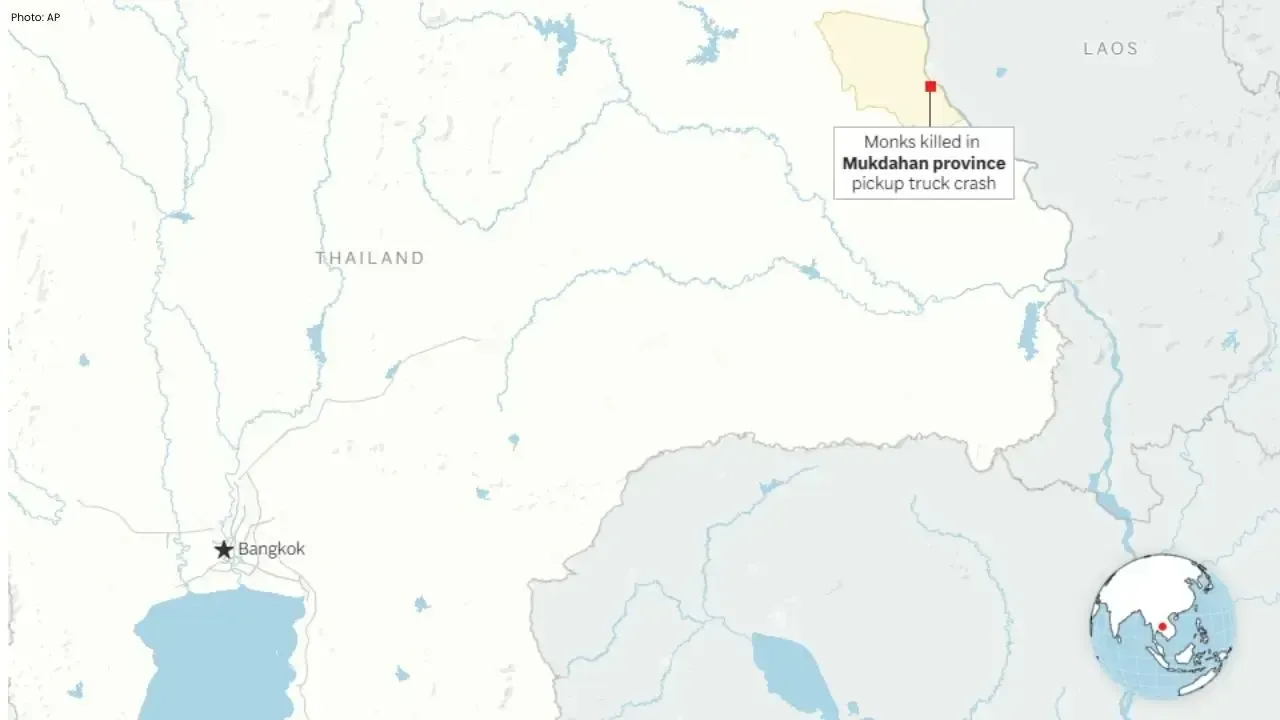
Nine Monks Killed in Thailand Pickup Truck Tragedy
An 11-year-old boy driving a pickup truck crashed into monks during a pilgrimage in northeastern Tha