
You have not yet added any article to your bookmarks!
Join 10k+ people to get notified about new posts, news and tips.
Do not worry we don't spam!
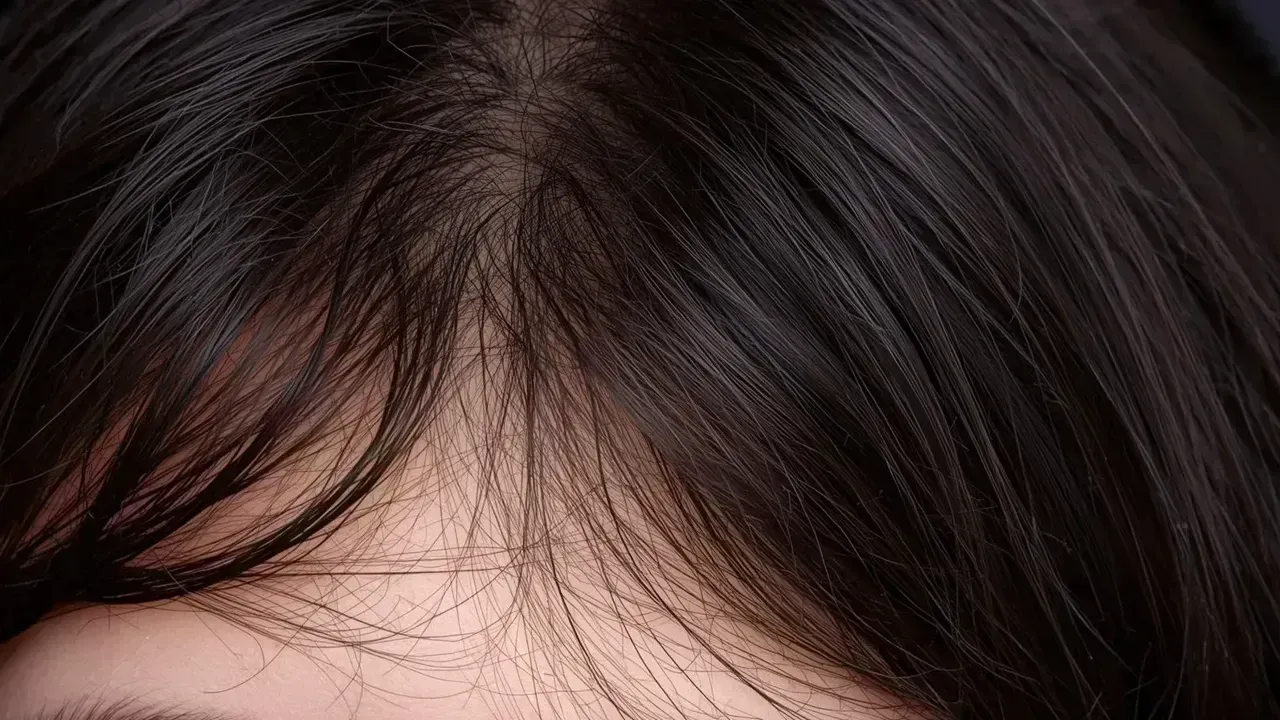
Post by : Samjeet Ariff
Hair loss typically doesn’t occur overnight. Often, prior to noticing strands on your pillow or in the shower, your hair begins to alter its texture. It might feel coarse, dry, limp, frizzy, or unexpectedly flat. Such signs are frequently dismissed as weather effects or temporary damage. However, changes in hair texture serve as a crucial early warning that hair loss is on the horizon.
By understanding the reasons behind these early changes, you can act swiftly—often averting significant thinning or prolonged loss. This article delves into the biological, nutritional, hormonal, and lifestyle factors that contribute to texture modifications, highlighting how hair health often declines internally before any visible shedding occurs.
The quality of hair texture depends on:
Protein structure of the hair strands
Moisture and oil balance of the scalp
Circulation to hair follicles
Hormonal balance
Nutrient levels
When any of these factors are out of balance, the hair shaft is the first to weaken. Hair doesn’t fall out immediately—it loses its strength, elasticity, and luster before shedding starts.
To grasp texture changes, it’s essential to differentiate between the hair shaft and the hair follicle.
The visible portion of hair composed of keratin; once developed, it cannot self-repair.
The living root beneath the scalp tasked with generating new hair.
When the follicle is under stress, it results in the production of weaker hair shafts. Changes in texture are often the first visible signs of follicle stress.
Hair primarily consists of keratin protein. If the body lacks protein or cannot utilize it efficiently, the quality of hair deteriorates before its quantity.
Hair appears finer
The cuticle layers look uneven
Loss of shine and smoothness
Hair breaks easily without falling right away
This is especially common among those who skip meals, diet excessively, or rely on processed foods.
While stress doesn’t lead to instant hair loss, it affects hair’s formation at the root.
Elevated cortisol levels
Decreased blood flow to the scalp
Disrupted nutrient flow
Shortened hair growth phases
Consequently, hair grows weaker, finer, and drier. Texture alterations can appear weeks or months prior to increased shedding.
Hormones control oil production, hair thickness, and growth cycles.
Thyroid imbalances
Insulin resistance
Polycystic ovary syndrome (PCOS)
Changes post-pregnancy
Perimenopause
Hormonal disruptions can make hair appear thinner and flatter even before hair loss begins.
Hair becomes dry, frizzy, and lifeless.
Hair becomes limp, sticky, and dull.
Both conditions weaken the hair shaft, heightening the likelihood of breakage and subsequent loss.
Hair follicles need oxygen and nutrients.
A sedentary lifestyle
Ongoing screen time
Poor posture
Tension from stress
Decreased circulation leads to under-nourished hair, causing texture changes before loss occurs.
Some nutrients influence hair quality before affecting quantity.
Iron: essential for oxygen delivery
Zinc: important for follicle recovery
Biotin: enhances hair strength
Vitamin D: crucial for follicle cycling
Omega-3: helps retain moisture
Deficiencies may result in hair feeling dry and fragile long before visible thinning occurs.
Hair needs hydration from within, not only externally.
Loss of softness
Decreased flexibility
Increased breakage
Rough texture despite conditioning
Dehydration can stress the follicle environment, resulting in poor hair quality.
Hair regeneration occurs primarily during deep sleep.
Lower melatonin levels
Impaired hormonal recovery
Increased levels of inflammation
Late nights and screen exposure hinder hair’s overnight healing, resulting in dull and lifeless locks.
Chemical and heat-related damage can exacerbate existing weaknesses.
When hair is already compromised due to internal issues, styling damage reveals the problem more rapidly. Hair may become frizzy, coarse, and difficult to manage before shedding increases.
Good digestion is vital for nutrient absorption.
Poor mineral uptake
Inflammation
Reduced protein utilization
A balanced diet cannot enhance hair texture if nutrients are not absorbed effectively.
Common indicators include:
Thinner feel
Less density in a ponytail
Loss of natural curl or wave
Increased frizz without humidity
Inability to retain hairstyle
These symptoms typically occur 2–4 months before hair shedding increases.
Hair follicles prioritize quality before ceasing production.
The body tends to channel resources to vital organs over hair. When resources are constrained, the quality of hair diminishes first; shedding becomes prominent only when stress persists.
Enhance protein intake
Maintain a balanced diet
Stay hydrated
Minimize stress exposure
Gentle scalp massages
Avoid harsh treatments
Don’t over-wash hair
Establish a regular sleep schedule
Take breaks from screens
Incorporate physical activity
Taking early action can reverse texture changes and halt long-term hair loss.
Consult a healthcare professional if:
Texture changes are abrupt and severe
Accompanied by fatigue or weight fluctuations
Hair loss occurs within months
Prompt diagnosis can prevent chronic thinning.
Modifications in hair texture are not merely cosmetic issues—they represent biological alerts. Your hair signals when stress, nutrition, hormones, or lifestyle are not balanced. Ignoring texture changes lets hair loss proceed unnoticed.
True hair health is developed internally before it manifests externally.
This article is designed for informational purposes only and is not a substitute for medical or dermatological advice. Changes in hair texture and hair loss can stem from various factors, including genetics, health conditions, and lifestyle. For persistent hair issues or rapid changes, seek guidance from a qualified healthcare provider for accurate evaluation and treatment.










George Russell Wins Dutch GP Sprint, Boosts Mercedes Morale
George Russell wins the Dutch GP Sprint from pole as Mercedes teammate Kimi Antonelli extends his F1

Australia 50/3 After Bangladesh Bowled Out for 64 in Second Test
Australia reached 50/3 after Bangladesh were bowled out for 64 in the second Test, with Mitchell Sta

Jordan Burroughs Returns to Wrestling with 2028 Olympic Dream
Jordan Burroughs returns to wrestling with Real American Freestyle as the Olympic champion eyes a po

Lamborghini Catches Fire on Singapore's ECP, Causing Heavy Traffic
A Lamborghini caught fire on Singapore's ECP, causing heavy traffic and bus delays. No injuries were

Bangkok Airport Duty-Free Area Flooded by Pipe Burst
A burst water pipe flooded the duty-free shopping area at Bangkok's Suvarnabhumi Airport on July 16,

Nine Monks Killed in Thailand Pickup Truck Tragedy
An 11-year-old boy driving a pickup truck crashed into monks during a pilgrimage in northeastern Tha

