You have not yet added any article to your bookmarks!
Join 10k+ people to get notified about new posts, news and tips.
Do not worry we don't spam!
Post by : Saif Rahman
In numerous African nations, political authority has remained concentrated in the hands of long-serving leaders. From Uganda in the east to Cameroon in central Africa, many individuals have grown up under the same leadership. This enduring trend raises significant discussions about democracy, accountability, and governance across the continent.
Cameroon is a prime example, with President Paul Biya having taken office in 1982 and continuing his reign ever since. Over the years, alterations to legal frameworks have eliminated restrictions on presidential terms. This has enabled Biya to participate in and secure victories in elections well into his 90s. While his supporters tout stability, critics argue that prolonged tenures weaken democratic institutions and restrict political freedoms.
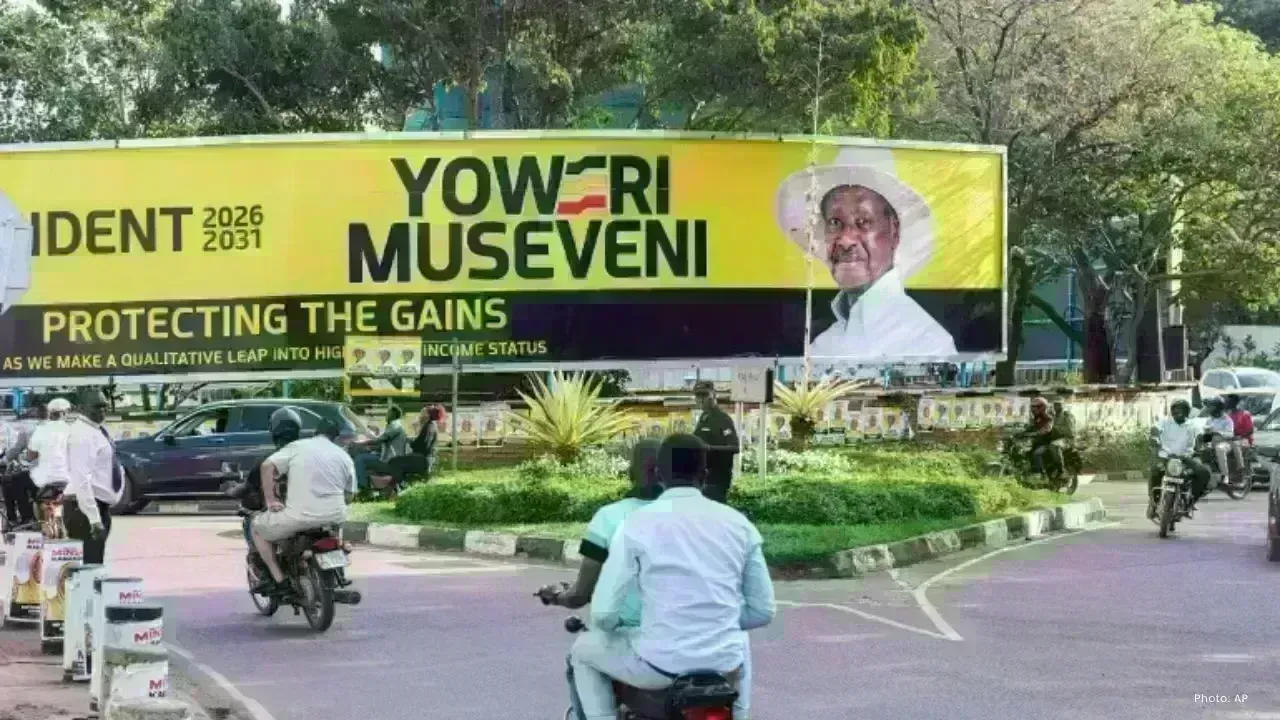
Similarly, Uganda's narrative mirrors this pattern. President Yoweri Museveni has maintained power since 1986, beginning his presidency as a reform-oriented leader in the aftermath of turmoil. Yet, constitutional amendments have since abolished both term and age limits for presidents, allowing Museveni the opportunity to repeatedly seek re-election. Many Ugandans now question the validity of elections that are consistently dominated by the same leader.
Across the continent, these leaders frequently sustain their reign through legal mechanisms rather than overt force. One prevalent method is amending constitutions, which, when term limits are revoked, permits presidents to remain in authority as long as they continue to win elections. Their dominance over political party structures, state media, and security forces complicates competition for opposition figures significantly.
Proponents of long-serving leaders assert the value of experience, arguing that these presidents possess deep knowledge of their nations and can shield them from instability, conflict, or economic downturns. In regions facing security threats or poverty, numerous citizens opt for the reliability of established leadership over the uncertainties of change.
Conversely, a significant number contest this viewpoint, asserting that prolonged rule undermines democratic integrity. Decades of leadership can erode the independence of vital institutions such as courts and parliaments. This erosion diminishes checks and balances, fostering corruption, and stifles the emergence of young leaders with fresh perspectives.
Public discontent is on the rise in various countries where leaders exhibit reluctance to cede power. Protests, civil society critiques, and pressure from opposition movements underscore a widespread desire for genuine political transformation. Citizens are increasingly advocating for accountable leadership and systems that facilitate peaceful transitions of power.
The concern extends beyond individual leaders; it pertains to the robustness of democratic structures. Effective democracies rely on explicit limits, equitable elections, and adherence to the rule of law. Weakening these principles diminishes public trust in governance.
Africa is a multifaceted continent, and not all states adhere to this trend. Some have evidenced that peaceful power transitions are achievable and advantageous. These instances inspire optimism for a kind of democracy that flourishes when leaders honor limits and prioritize citizen choices.
Ultimately, Africa’s political future hinges on whether leaders choose to serve their peoples for a defined period or assert lifelong rule. The trajectory taken will significantly influence trust, stability, and prospects for future generations.







George Russell Wins Dutch GP Sprint, Boosts Mercedes Morale
George Russell wins the Dutch GP Sprint from pole as Mercedes teammate Kimi Antonelli extends his F1

Australia 50/3 After Bangladesh Bowled Out for 64 in Second Test
Australia reached 50/3 after Bangladesh were bowled out for 64 in the second Test, with Mitchell Sta

Jordan Burroughs Returns to Wrestling with 2028 Olympic Dream
Jordan Burroughs returns to wrestling with Real American Freestyle as the Olympic champion eyes a po

Lamborghini Catches Fire on Singapore's ECP, Causing Heavy Traffic
A Lamborghini caught fire on Singapore's ECP, causing heavy traffic and bus delays. No injuries were

Bangkok Airport Duty-Free Area Flooded by Pipe Burst
A burst water pipe flooded the duty-free shopping area at Bangkok's Suvarnabhumi Airport on July 16,
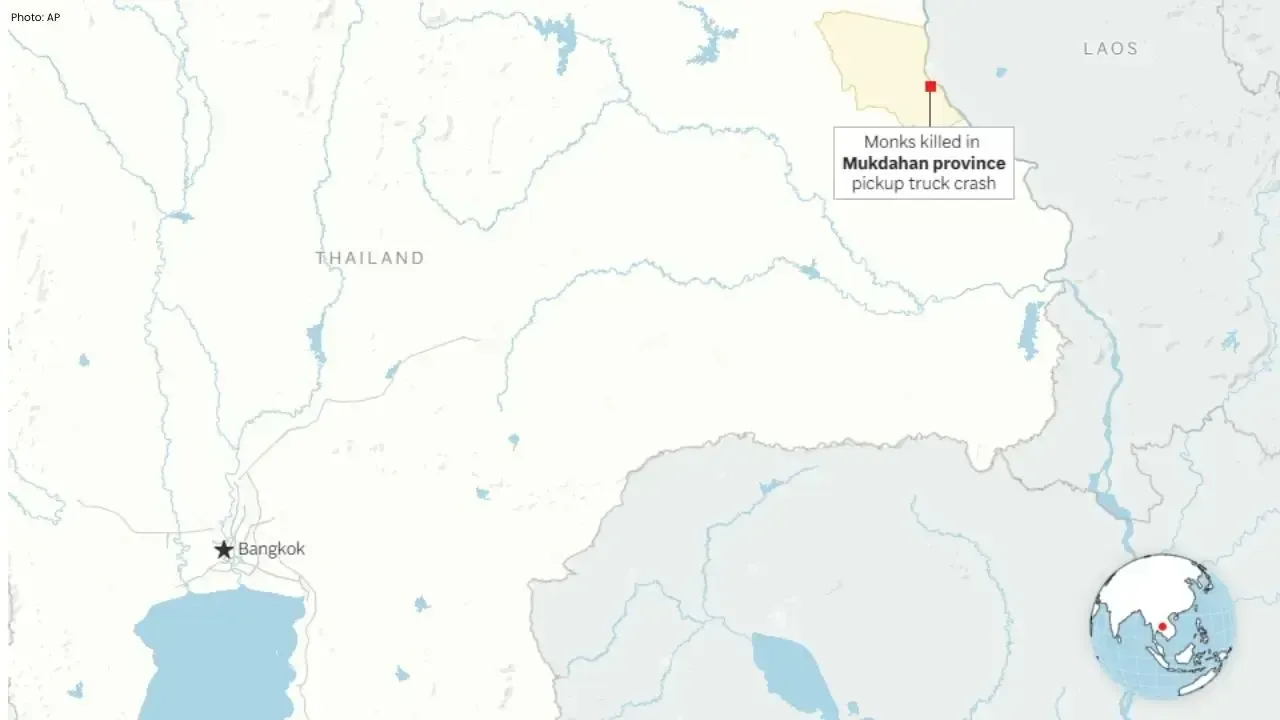
Nine Monks Killed in Thailand Pickup Truck Tragedy
An 11-year-old boy driving a pickup truck crashed into monks during a pilgrimage in northeastern Tha