You have not yet added any article to your bookmarks!
Join 10k+ people to get notified about new posts, news and tips.
Do not worry we don't spam!
Post by : Badri Ariffin
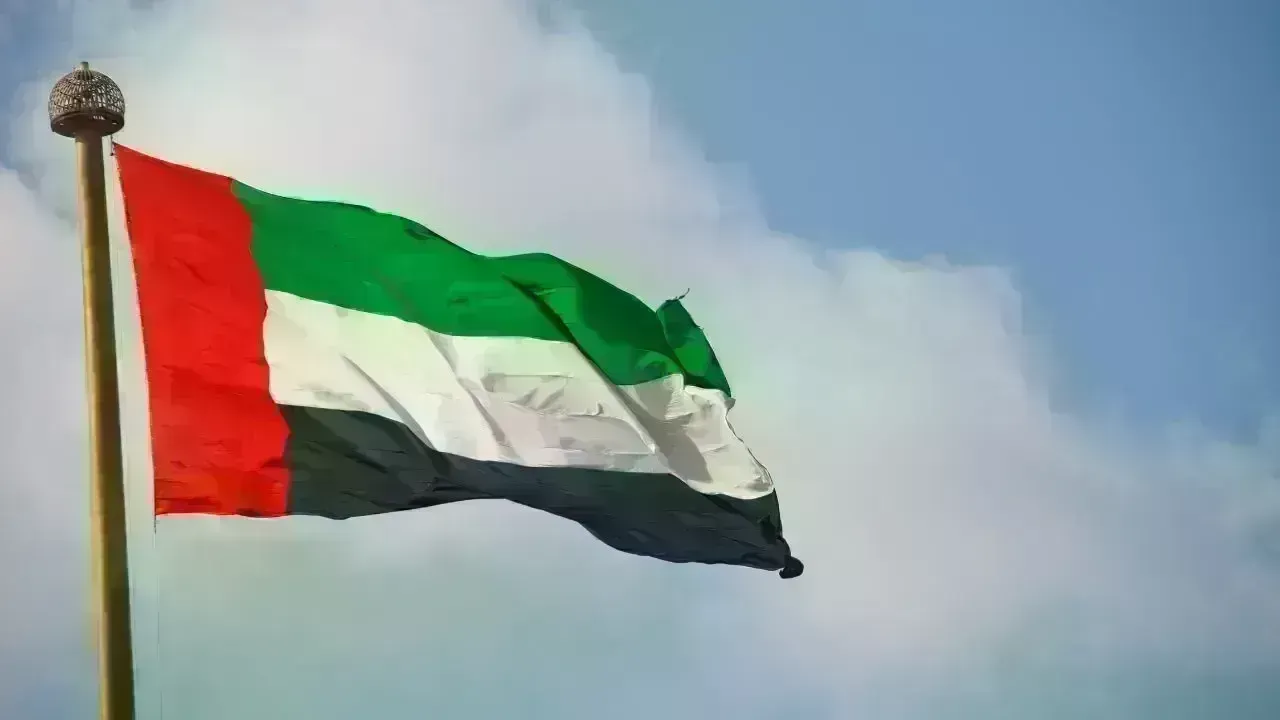
The unexpected trip of UAE President Sheikh Mohammed bin Zayed Al Nahyan to India has triggered significant changes in South Asian geopolitics, inadvertently impacting Pakistan.
Just after Sheikh Mohammed’s brief three-hour stay in New Delhi, Abu Dhabi opted to scrap its intentions to manage Islamabad International Airport. This agreement, which had been in talks since August 2025, lost traction as the UAE could not secure a local partner for the operation.
While a Pakistani media source verified this development, it did not explicitly connect it to political factors. Nevertheless, this decision unfolds amidst rising tensions between the UAE and Saudi Arabia, with both countries backing opposing factions in Yemen and diverging in their geopolitical strategies.
Recently, Pakistan entered into a defense pact with Saudi Arabia and is working to establish a coalition reminiscent of an “Islamic NATO” with Saudi Arabia and Turkey. Conversely, the UAE is fortifying its defense collaboration with India, signaling a marked shift in regional alliances.
Historically, the UAE has been one of Pakistan’s leading trading allies and a vital source of remittances, as countless Pakistanis find employment in the UAE. They have partnered significantly in sectors like defense, energy, and investments. However, relations have soured due to governance challenges, safety apprehensions, political meddling, and financial complications facing Pakistan’s state-owned enterprises. Pakistan has also moved towards privatizing key assets, such as Pakistan International Airlines (PIA).
Even though the UAE boasts considerable experience in airport management, including in contentious regions like Afghanistan, its withdrawal from Islamabad Airport highlights dwindling faith in Pakistan’s infrastructure and governance.
In contrast, ties between India and the UAE are on a fast track to improvements. Following the recent visit, the UAE granted the release of 900 Indian prisoners as a sign of goodwill. Prime Minister Narendra Modi and President Mohamed bin Zayed have committed to broaden their Comprehensive Strategic Partnership into a more robust and multidimensional alliance.
A major highlight of the visit was the establishment of a full Strategic Defence Partnership. Both nations have inked a Letter of Intent to formulate a Defence Cooperation Framework, marking a noteworthy geopolitical transformation in the region.






George Russell Wins Dutch GP Sprint, Boosts Mercedes Morale
George Russell wins the Dutch GP Sprint from pole as Mercedes teammate Kimi Antonelli extends his F1

Australia 50/3 After Bangladesh Bowled Out for 64 in Second Test
Australia reached 50/3 after Bangladesh were bowled out for 64 in the second Test, with Mitchell Sta

Jordan Burroughs Returns to Wrestling with 2028 Olympic Dream
Jordan Burroughs returns to wrestling with Real American Freestyle as the Olympic champion eyes a po

Lamborghini Catches Fire on Singapore's ECP, Causing Heavy Traffic
A Lamborghini caught fire on Singapore's ECP, causing heavy traffic and bus delays. No injuries were

Bangkok Airport Duty-Free Area Flooded by Pipe Burst
A burst water pipe flooded the duty-free shopping area at Bangkok's Suvarnabhumi Airport on July 16,

Nine Monks Killed in Thailand Pickup Truck Tragedy
An 11-year-old boy driving a pickup truck crashed into monks during a pilgrimage in northeastern Tha