
You have not yet added any article to your bookmarks!
Join 10k+ people to get notified about new posts, news and tips.
Do not worry we don't spam!
Post by : Shweta
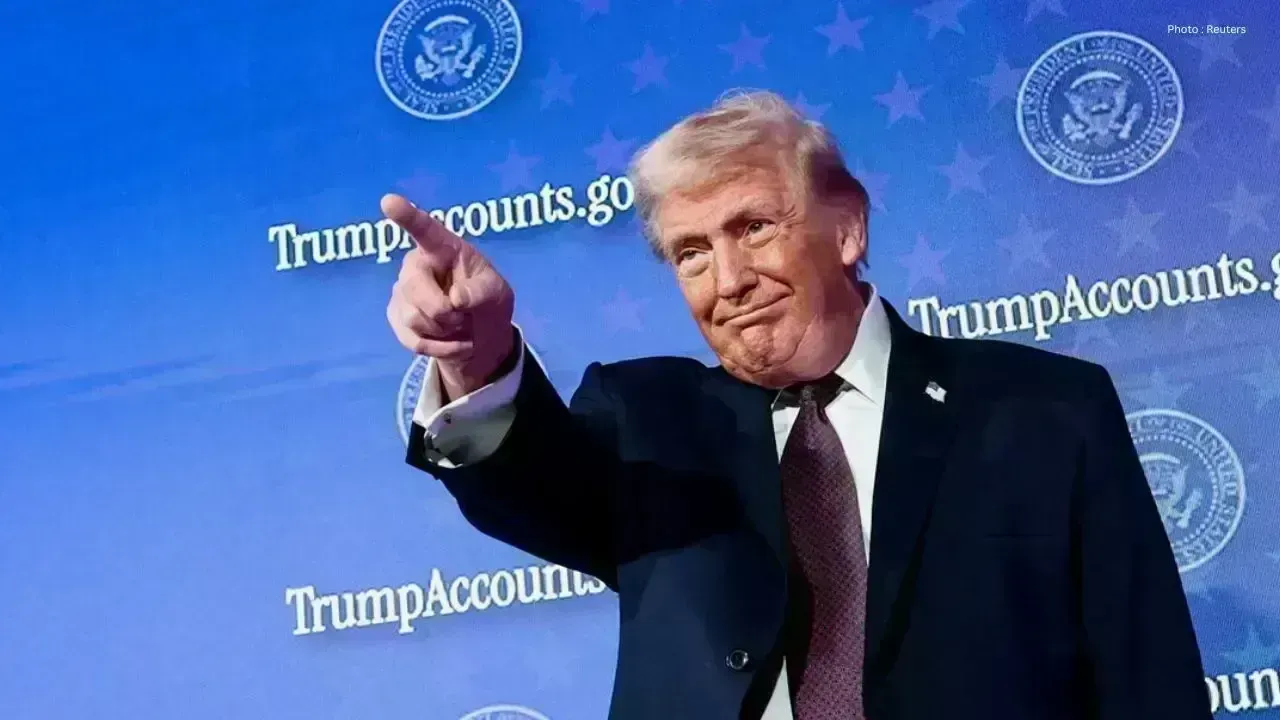
President Donald Trump has officially signed an executive order intended to safeguard and stabilize college athletics nationwide. This initiative arises amidst legal disputes, financial challenges, and evolving regulations that have left athletic programs and student-athletes in a state of uncertainty.
The order aims to provide clear rules governing college sports, particularly concerning player eligibility, transfer protocols, and compensation structures. Additionally, it advocates for equitable revenue-sharing and enhanced protections for student-athletes. This initiative seeks to create a stable framework for over 500,000 student-athletes who rely on collegiate sports for educational and professional prospects.
In the U.S., college sports significantly bolster local economies, generating approximately $4 billion in scholarships annually. They also play an essential role in the nation’s performance in global competitions, including the Olympics. Nevertheless, recent policy shifts—particularly regarding name, image, and likeness (NIL) rights—and transfer rules have led to confusion and disparity in the system.
The executive order lays out critical guidelines aimed at reinstating fairness and durability. It aspires to curtail the exploitation of transfer mechanisms, ensure equal opportunities for all athletes, and safeguard less-prominent sports programs, including those predominantly featuring women and Olympic competitors, which often face financial instability.
Many prominent organizations and college athletics leaders have rallied behind this decision. National Collegiate Athletic Association President Charlie Baker remarked that the order upholds existing safeguards such as healthcare access, mental wellness resources, and scholarships for student-athletes. He also emphasized that achieving lasting stability necessitates Congressional support.
Executives from leading sports conferences like the SEC, Big Ten, ACC, and Big 12 have expressed strong approval, noting that this development supplies essential clarity and national standards. They highlighted the necessity of consistent rules nationwide to uphold fairness and maintain competitive equity.
Prominent athletes have echoed these sentiments. Coach Nick Saban termed it a vital move towards reinstating stability in college sports. Professional sports entities such as the New York Yankees have also shown their support, underscoring the importance of decisive leadership in addressing ongoing issues.
The order also urges lawmakers to endorse long-term measures, including initiatives like the SCORE Act, aimed at providing enduring solutions. Many advocates stress that federal involvement is vital to preserve the integrity of college sports and continue offering opportunities for upcoming generations.
In summary, this executive order signifies a crucial effort to stabilize a system deemed precarious. While challenges lie ahead, this action reflects a robust commitment to securing the future of college athletics and enabling student-athletes to thrive in both their academic and athletic careers.










PM Modi Pays Tribute to Mahatma Gandhi, Urges People to Support Khadi
PM Modi pays tribute to Mahatma Gandhi on Gandhi Jayanti and urges citizens to support Khadi and the

Amazon Seeks to Offload $8 Billion in Nvidia Chips to Investors
Amazon plans to move $8 billion in Nvidia chips to investors, using a new financing model to strengt

Samsung Raises Galaxy S26 Prices as Memory Chip Costs Rise
Samsung raises Galaxy S26 prices in South Korea as rising memory chip costs put pressure on smartpho

Lewis Hamilton Calls Singapore Grand Prix One of F1's Toughest Races
Lewis Hamilton discusses the demanding Singapore Grand Prix and brings Plus44 and Almave to Singapor

Denmark's Pandora Opens World's Largest Jewellery Factory in Vietnam
Pandora opens its largest jewellery factory in Vietnam, expanding global production, strengthening s

Gautam Gambhir Questions Batting-Friendly Pitches After India's Record ODI Chase
Gautam Gambhir questions batting-friendly ODI pitches after India’s record chase, calling for a bett

