You have not yet added any article to your bookmarks!
Join 10k+ people to get notified about new posts, news and tips.
Do not worry we don't spam!
Post by : Saif Rahman
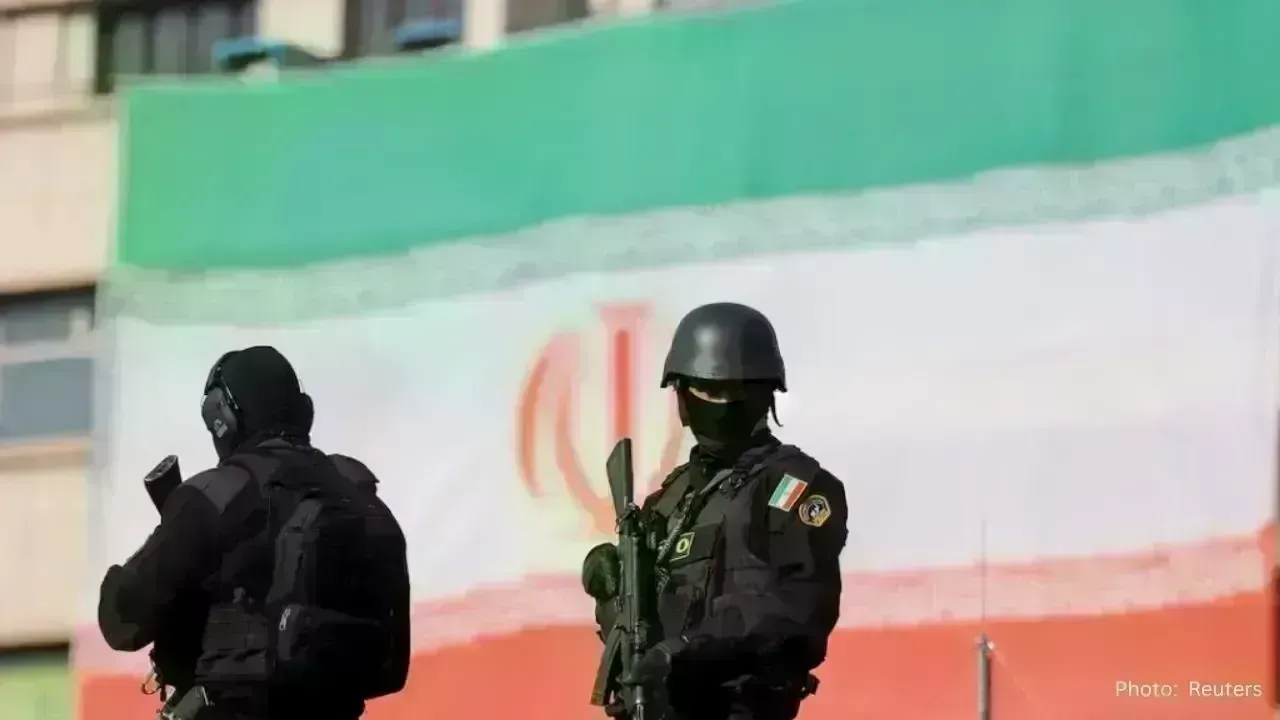
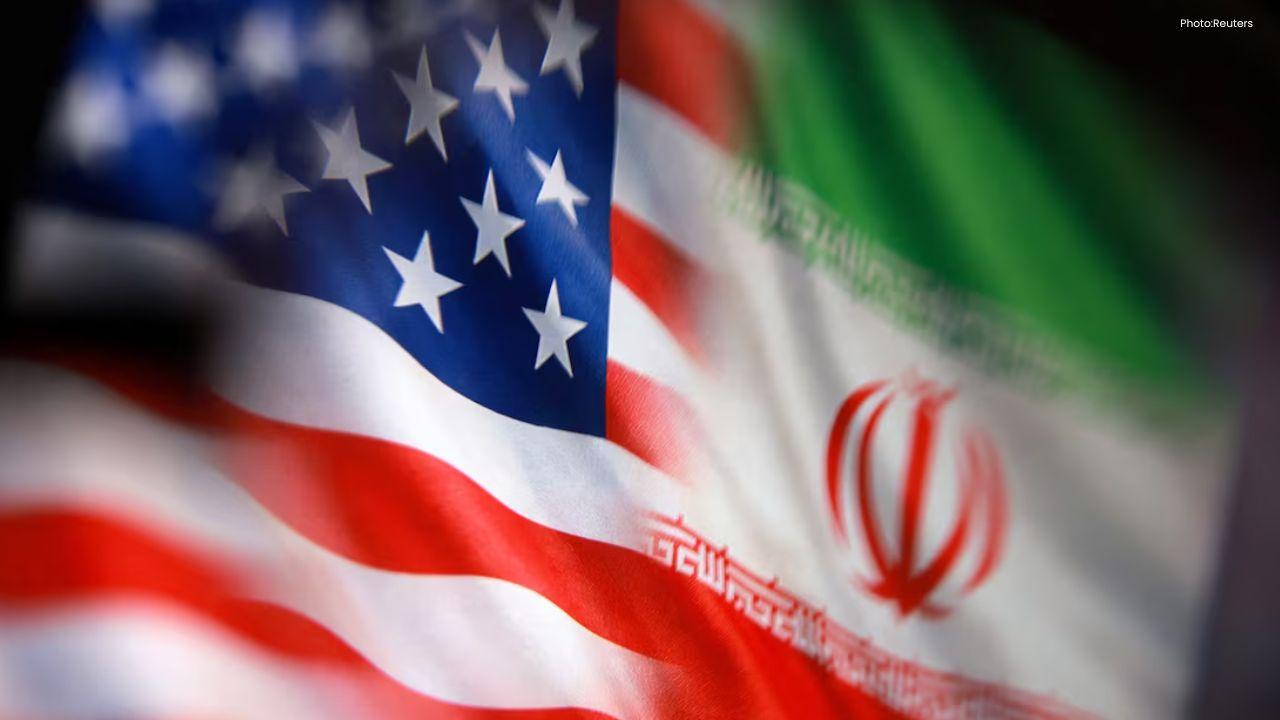
Iran is currently undergoing one of its gravest internal challenges in decades, with nationwide demonstrations questioning the authority of the clerical leadership. This unrest is drawing significant attention from the United States, where President Donald Trump is evaluating his response, weighing military threats against indications that diplomatic discussions could still occur.
Reports indicate that Iran has maintained open communication lines with Washington even as Trump deliberates on a variety of reactions to Tehran’s brutal suppression of protestors. The ongoing protests are regarded as the most substantial challenge to Iran’s ruling regime since the 1979 Islamic Revolution.
The unrest ignited in late December due to soaring prices that rendered daily life increasingly difficult for many Iranians. What began as protests against economic hardships has evolved into widespread calls for the end of clerical governance. Demonstrations have proliferated across urban and rural areas, mobilizing large crowds despite intense security measures.
According to the human rights organization HRANA, at least 646 individuals have died, with over 500 identified as protestors. While these figures remain unverified, various videos and accounts suggest a dire situation. Families of the deceased have reported gathering at cemeteries to voice their dissent against the government.
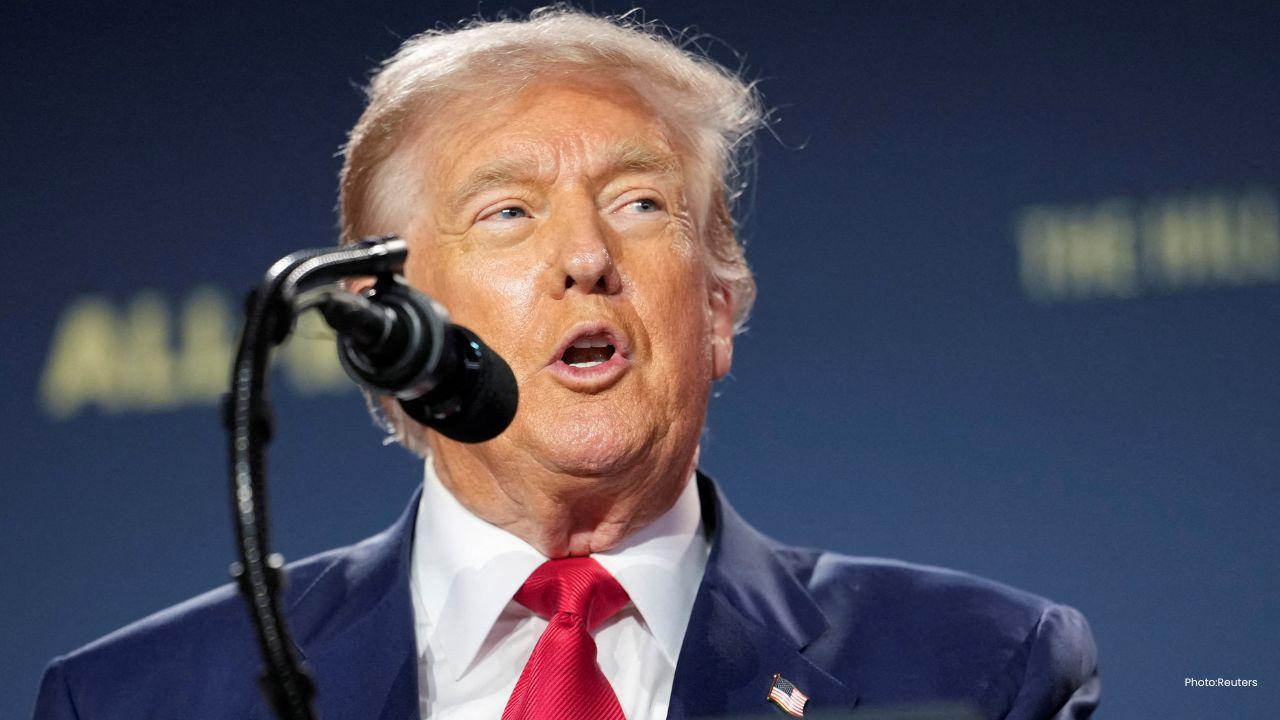
In response, President Trump has issued stern statements and heightened pressure. He has warned that any nation engaging in trade with Iran may face a 25% tariff on exports to the U.S. He has also cautioned Iranian leaders that military action could be on the table should security forces continue to harm protestors.
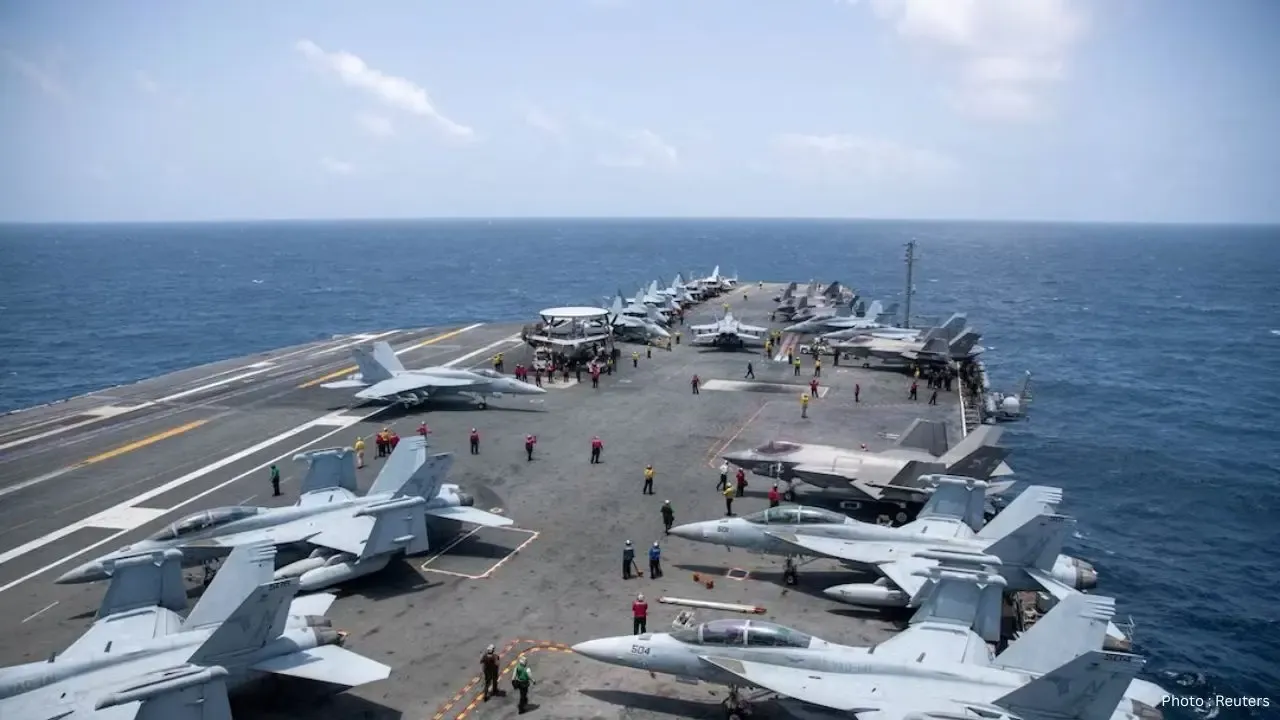
Trump has articulated that diplomatic solutions are his primary preference; however, he has made it clear that he is considering other possibilities, including cyber operations, escalated sanctions, or even military interventions. Any such actions could pose significant risks, particularly since many military installations are situated near civilian populations.
Despite the tough rhetoric, Iranian officials assert that discussions with the U.S. are ongoing. Foreign Minister Abbas Araqchi confirmed that dialogues with U.S. envoy Steve Witkoff have persisted in the lead-up to and following the protests. Nonetheless, he commented that the threats coming from Washington complicate diplomatic efforts.
The Iranian government attributes the civil unrest to foreign provocations, claiming U.S. and Israeli backing for the violence. State media has spotlighted assaults on law enforcement, stating that numerous mosques and ambulances have been torched. Officials maintain that the situation is under control.
Currently, there are no apparent divisions within Iran's leadership, military, or security apparatus. The protest movement lacks a clear leader and comprises various factions, making orchestration challenging yet complicating efforts for suppression.
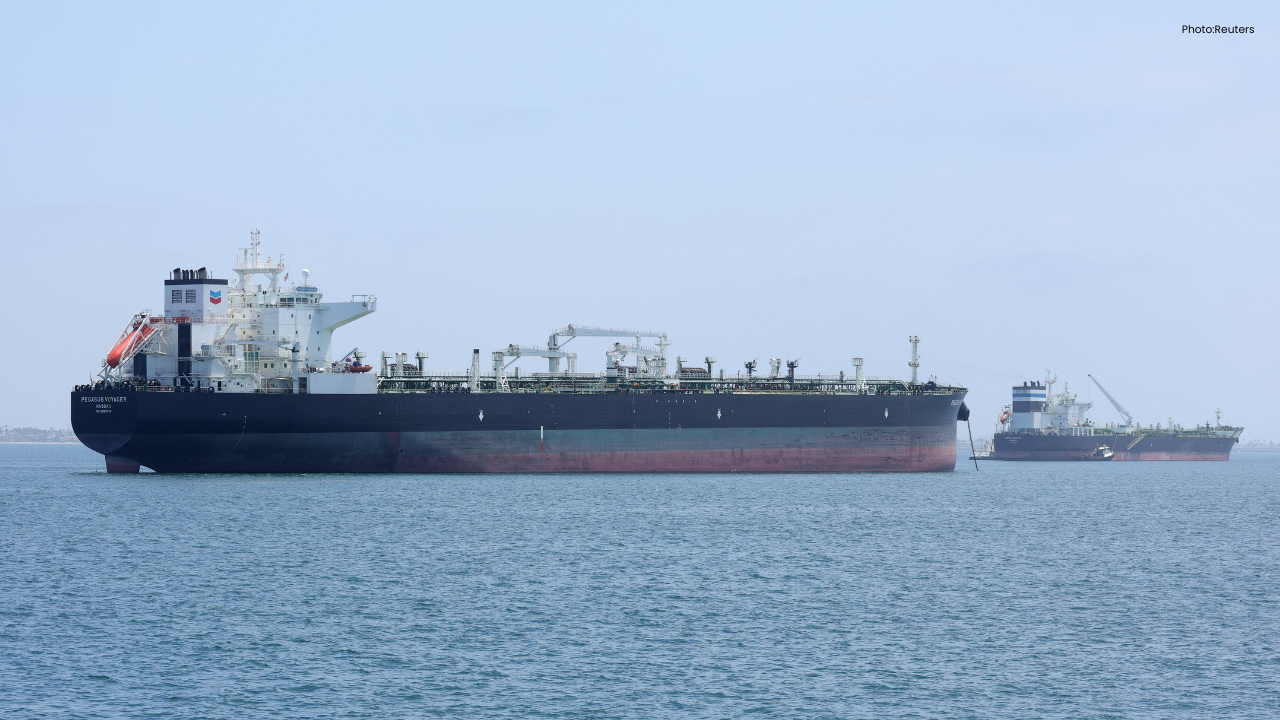
The unrest has raised alarm beyond Iran's borders. Oil prices have surged as markets become apprehensive that violent upheaval and potential U.S. interventions could hamstring Iranian oil exports. Countries like China, a major purchaser of Iranian oil, have openly criticized Washington's imposition of unilateral sanctions.
Iran is also still recuperating from last year’s brief, intense conflict with Israel and the United States, which eroded its military command and diminished its regional clout. These setbacks have further compounded pressures on a regime already grappling with widespread public dissatisfaction.
At present, global observers are keeping a close watch. Trump’s forthcoming decisions could significantly influence Iran's trajectory and regional stability in the Middle East. While channels for dialogue remain open, the volatile mix of protests, threats, and escalating casualty figures creates a precarious scenario.
This moment underscores how domestic turmoil can swiftly escalate into an international crisis. The direction taken will hinge on the decisions made in both Washington and Tehran in the days to come.




George Russell Wins Dutch GP Sprint, Boosts Mercedes Morale
George Russell wins the Dutch GP Sprint from pole as Mercedes teammate Kimi Antonelli extends his F1

Australia 50/3 After Bangladesh Bowled Out for 64 in Second Test
Australia reached 50/3 after Bangladesh were bowled out for 64 in the second Test, with Mitchell Sta

Jordan Burroughs Returns to Wrestling with 2028 Olympic Dream
Jordan Burroughs returns to wrestling with Real American Freestyle as the Olympic champion eyes a po

Lamborghini Catches Fire on Singapore's ECP, Causing Heavy Traffic
A Lamborghini caught fire on Singapore's ECP, causing heavy traffic and bus delays. No injuries were

Bangkok Airport Duty-Free Area Flooded by Pipe Burst
A burst water pipe flooded the duty-free shopping area at Bangkok's Suvarnabhumi Airport on July 16,

Nine Monks Killed in Thailand Pickup Truck Tragedy
An 11-year-old boy driving a pickup truck crashed into monks during a pilgrimage in northeastern Tha