You have not yet added any article to your bookmarks!
Join 10k+ people to get notified about new posts, news and tips.
Do not worry we don't spam!
Post by : Anis Farhan
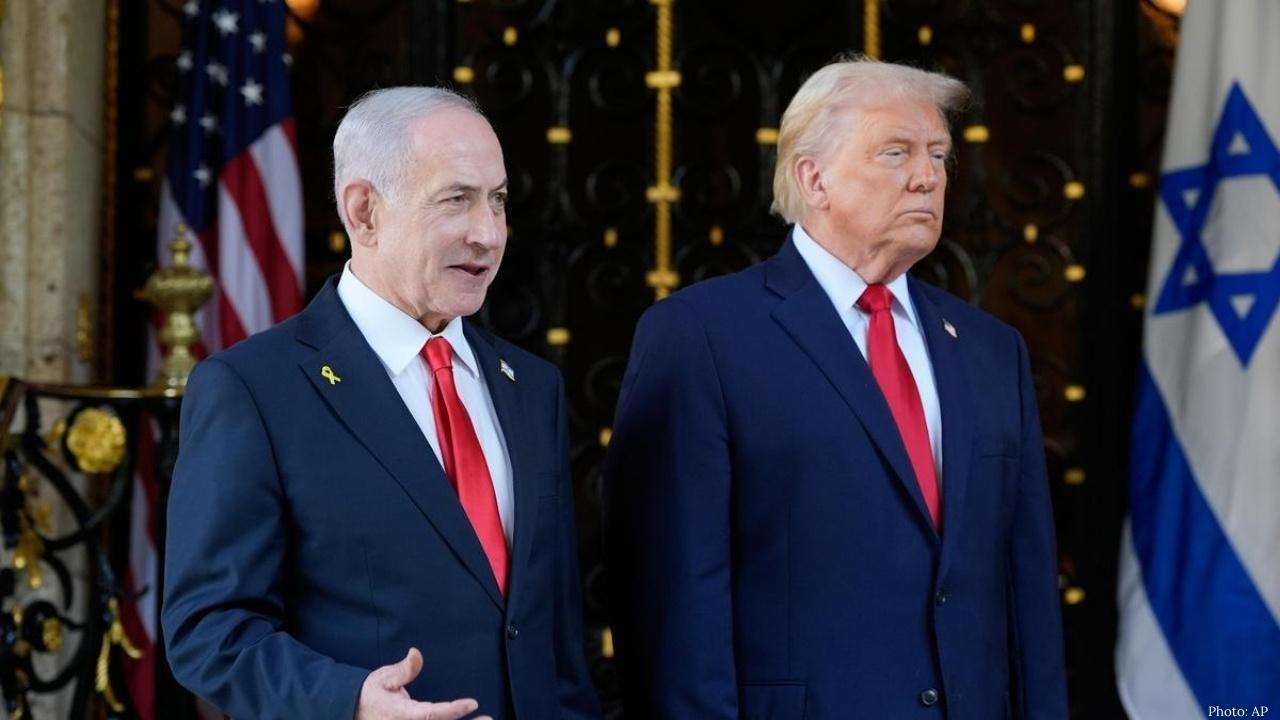
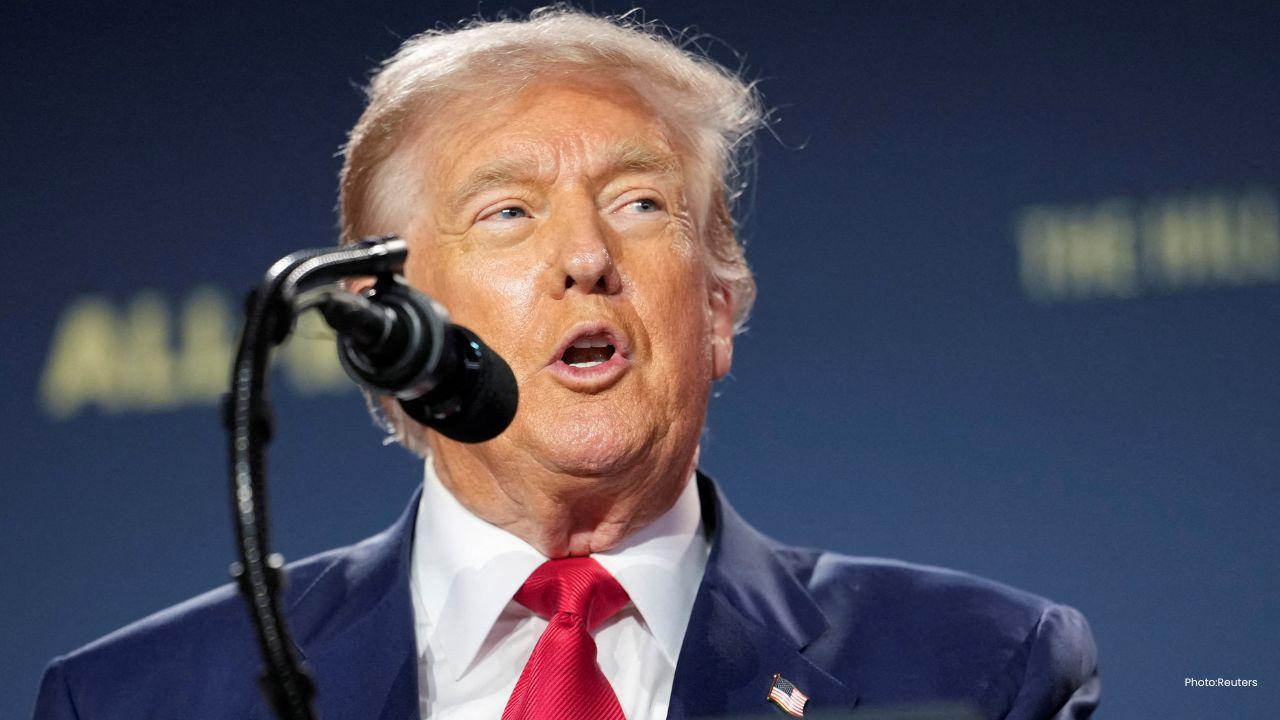
U.S. President Donald Trump confirmed on February 11, 2026, that he insisted negotiations between the United States and Iran should continue, even after a lengthy private meeting with Israeli Prime Minister Benjamin Netanyahu at the White House that produced no definitive agreement on how to proceed. The announcement comes as Washington and Tehran engage in cautious diplomatic talks aimed at curbing Iran’s nuclear ambitions, while Israel has voiced strong security concerns over the scope and terms of such negotiations.
The nearly three-hour meeting — one of several high-level encounters between Trump and Netanyahu since Trump’s return to the White House — highlighted persistent strategic divergences between the two leaders on how best to handle Iran’s nuclear programme and broader regional security issues. Despite Netanyahu’s push for broader terms and Israel’s insistence on including ballistic missiles and support for proxy groups in any negotiations, Trump emphasised continued dialogue as the principal path forward.
In a subsequent social media post after the meeting, Trump described the session as “very good,” but also made it clear that no concrete policy decisions or new commitments were publicly agreed upon. Instead, his principal message was that U.S. talks with Iran would continue in the hope of reaching a deal, though he acknowledged that outcomes were uncertain.
Trump’s phrasing was straightforward: “There was nothing definitive reached other than I insisted that negotiations with Iran continue to see whether or not a deal can be consummated.” He added that continuing diplomacy was his preference, and that if a deal could not be achieved, the U.S. would consider other options in due course.
Netanyahu’s visit focused heavily on urging that the negotiations be expanded beyond nuclear issues to include Iran’s ballistic missile programme and its support for militant groups such as Hamas and Hezbollah — elements that Israel considers central to its national security concerns. However, the public outcome stopped short of endorsing that broader approach.
The backdrop to this White House meeting is a series of indirect negotiations between U.S. and Iranian officials held in Oman, which both sides described as cautiously optimistic but still far from a final agreement. The talks aim to revive discussions on curbing Iran’s nuclear programme, though profound mistrust — rooted in years of conflict and previous breakdowns in diplomacy — continues to complicate progress.
For months, U.S.–Iran discussions have focused narrowly on nuclear issues, with Tehran insisting that dialogue should not include other strategic areas such as missiles or regional policies, while Israel — backed by some U.S. advisors — has pushed for more expansive terms. This underlying tension was reflected in the Trump-Netanyahu meeting, even without public breakthroughs.
During the discussions, Netanyahu stressed Israel’s security imperatives, seeking guarantees that any future agreement with Iran would directly address:
Ballistic missile capabilities of Tehran
Support for militant groups across the Middle East
Broader regional military capabilities beyond just nuclear activities
These concerns stem from longstanding Israeli apprehension that a nuclear agreement limited to uranium enrichment restrictions would leave other dangerous aspects of Iran’s strategic doctrine unaddressed. Israel has publicly argued that without binding limitations on missile development and proxy militias, Tehran’s threat will persist even if nuclear proliferation is reduced.
Despite these emphases from Netanyahu, Trump’s public messaging stressed continuation of diplomacy rather than immediate adoption of Israel’s preferred negotiating scope, leaving key differences unresolved.
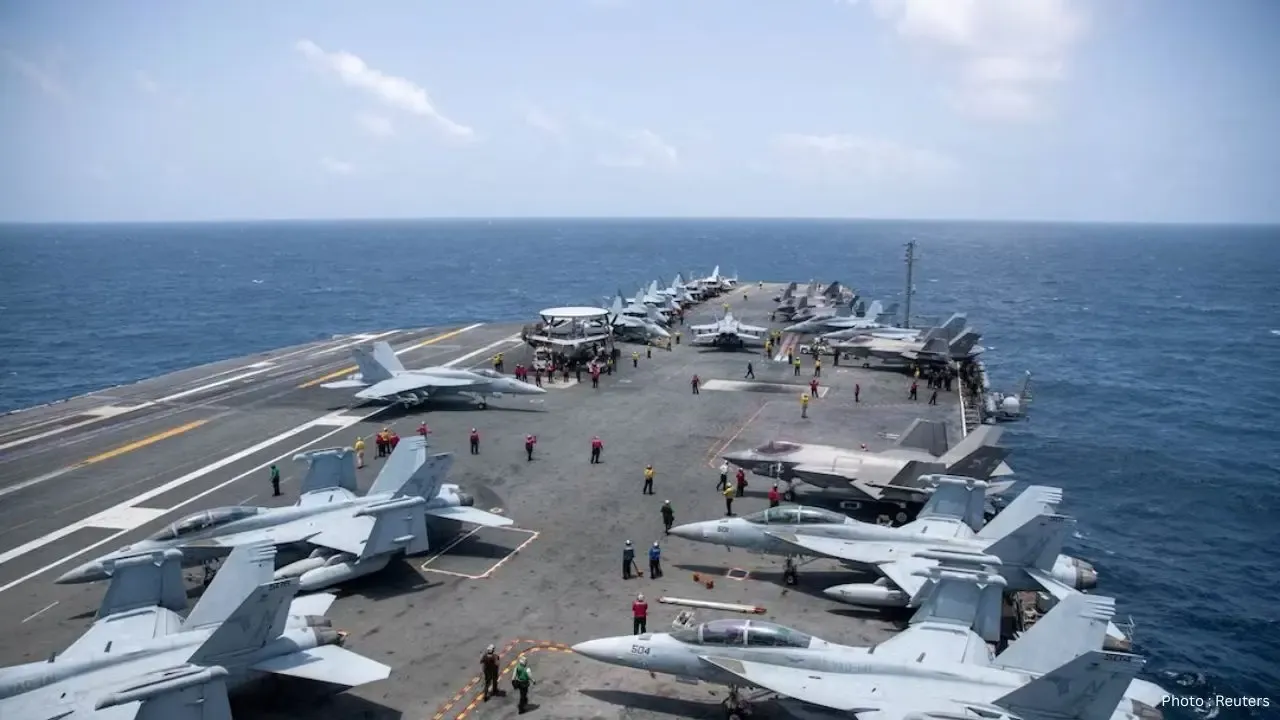
While prioritising diplomacy, Trump has also reiterated that military pressure remains an option if negotiations fail. In separate interviews around the time of the meeting, he stressed that a deal with Iran — one that would eliminate nuclear weapons and missile capabilities — would be preferable, but warned of consequences if diplomacy collapses. The White House has not ruled out other tools, including continued military posturing in the region.
Trump’s cautious framing reflects a longstanding U.S. policy struggle: balancing engagement with deterrence. On one hand, extended talks are seen as a path to avoid escalation and reinforce non-proliferation. On the other, unresolved issues and Iranian resistance to certain negotiating conditions have led U.S. officials to publicly maintain pressure, including the threat of military action if diplomacy breaks down.
Despite differences over negotiation scope, Trump and Netanyahu reaffirmed close coordination on Middle East security issues. Israel remains a core U.S. ally, and discussions with Netanyahu included other regional priorities such as developments in Gaza and supporting broader security cooperation in the context of shared concerns about Tehran’s influence.
At the same time, continuing U.S.–Iran diplomacy has implications far beyond bilateral engagements. A successful deal could reduce tensions across the Middle East, potentially affecting proxy conflicts, economic sanctions, and international security arrangements. Conversely, failure could heighten risks of military escalations and further strain relationships with regional partners.
The insistence by Trump that talks should continue underscores a commitment to diplomatic engagement first, even in the face of steep challenges and divergent priorities among key partners. The mixed outcomes of the Netanyahu meeting — reaffirming ongoing negotiations while acknowledging unresolved disagreements — reflect the precarious balance between pursuing agreements to prevent escalation and addressing the strategic concerns of allied states.
The recent meeting between President Trump and Prime Minister Netanyahu highlighted the complexities at the heart of U.S.–Middle East diplomacy. Trump’s assertion that negotiations with Iran must continue, even without definitive agreements, signals Washington’s ongoing commitment to a diplomatic path in tackling the nuclear challenge. However, the lack of consensus on the scope and substance of those talks — especially around ballistic missiles and regional security — underscores the durable obstacles that remain before any long-term accord can be realised.
As indirect talks progress and both U.S. and Iranian envoys continue engaging, the international community will be watching closely to see whether diplomacy can bridge deep mistrust and develop a framework that satisfies both security imperatives and non-proliferation goals.
This article is based on verified reporting and widely available media sources. It is intended for informational purposes and does not reflect official positions of governments or policy endorsements.







George Russell Wins Dutch GP Sprint, Boosts Mercedes Morale
George Russell wins the Dutch GP Sprint from pole as Mercedes teammate Kimi Antonelli extends his F1

Australia 50/3 After Bangladesh Bowled Out for 64 in Second Test
Australia reached 50/3 after Bangladesh were bowled out for 64 in the second Test, with Mitchell Sta

Jordan Burroughs Returns to Wrestling with 2028 Olympic Dream
Jordan Burroughs returns to wrestling with Real American Freestyle as the Olympic champion eyes a po

Lamborghini Catches Fire on Singapore's ECP, Causing Heavy Traffic
A Lamborghini caught fire on Singapore's ECP, causing heavy traffic and bus delays. No injuries were

Bangkok Airport Duty-Free Area Flooded by Pipe Burst
A burst water pipe flooded the duty-free shopping area at Bangkok's Suvarnabhumi Airport on July 16,

Nine Monks Killed in Thailand Pickup Truck Tragedy
An 11-year-old boy driving a pickup truck crashed into monks during a pilgrimage in northeastern Tha