
You have not yet added any article to your bookmarks!
Join 10k+ people to get notified about new posts, news and tips.
Do not worry we don't spam!
Post by : Shakul
A major debate has emerged in the United States as lawmakers prepare to decide on the renewal of a controversial foreign surveillance program under the Foreign Intelligence Surveillance Act. The provision, known as Section 702, allows intelligence agencies to collect and analyze communications of foreign targets, but it has also raised concerns over the incidental collection of Americans’ data.
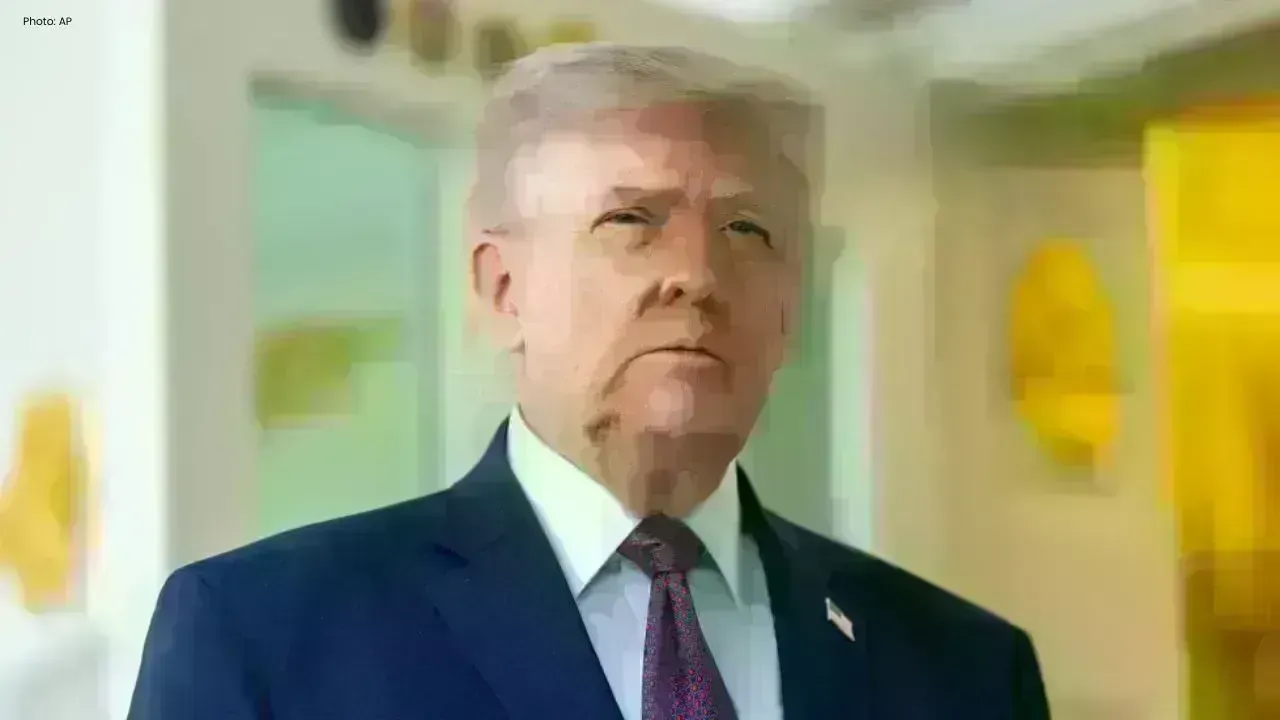
Donald Trump has voiced strong support for extending the program, calling it essential for national security. Speaking from Washington, D.C., Trump emphasized that the surveillance system has played a critical role in protecting the country and gathering intelligence related to global threats.
The law permits agencies such as the CIA, FBI, and National Security Agency to monitor overseas communications without a warrant. However, critics argue that it can also capture conversations involving American citizens who communicate with foreign individuals, raising serious concerns about privacy and civil liberties.
Opponents of the program are demanding reforms, including requiring warrants before authorities can access the communications of Americans. They have also raised concerns about the government’s use of data brokers, which collect and sell personal information, potentially allowing agencies to bypass constitutional protections.
Despite bipartisan criticism, the chances of major reforms appear limited after Trump’s endorsement of the program’s renewal. He has called on lawmakers to extend Section 702 for another 18 months, stating that it provides vital intelligence and supports military operations.
Interestingly, some officials who previously opposed the law have shifted their stance. Tulsi Gabbard, now serving as Director of National Intelligence, has expressed support for the program, citing improved safeguards and oversight measures.
The debate highlights the ongoing tension between national security and civil liberties in the United States. While intelligence agencies stress the importance of surveillance tools in preventing threats, lawmakers and activists continue to push for stronger protections to ensure that citizens’ rights are not compromised.










PM Modi Pays Tribute to Mahatma Gandhi, Urges People to Support Khadi
PM Modi pays tribute to Mahatma Gandhi on Gandhi Jayanti and urges citizens to support Khadi and the

Amazon Seeks to Offload $8 Billion in Nvidia Chips to Investors
Amazon plans to move $8 billion in Nvidia chips to investors, using a new financing model to strengt

Samsung Raises Galaxy S26 Prices as Memory Chip Costs Rise
Samsung raises Galaxy S26 prices in South Korea as rising memory chip costs put pressure on smartpho

Lewis Hamilton Calls Singapore Grand Prix One of F1's Toughest Races
Lewis Hamilton discusses the demanding Singapore Grand Prix and brings Plus44 and Almave to Singapor

Denmark's Pandora Opens World's Largest Jewellery Factory in Vietnam
Pandora opens its largest jewellery factory in Vietnam, expanding global production, strengthening s

Gautam Gambhir Questions Batting-Friendly Pitches After India's Record ODI Chase
Gautam Gambhir questions batting-friendly ODI pitches after India’s record chase, calling for a bett

