
You have not yet added any article to your bookmarks!
Join 10k+ people to get notified about new posts, news and tips.
Do not worry we don't spam!
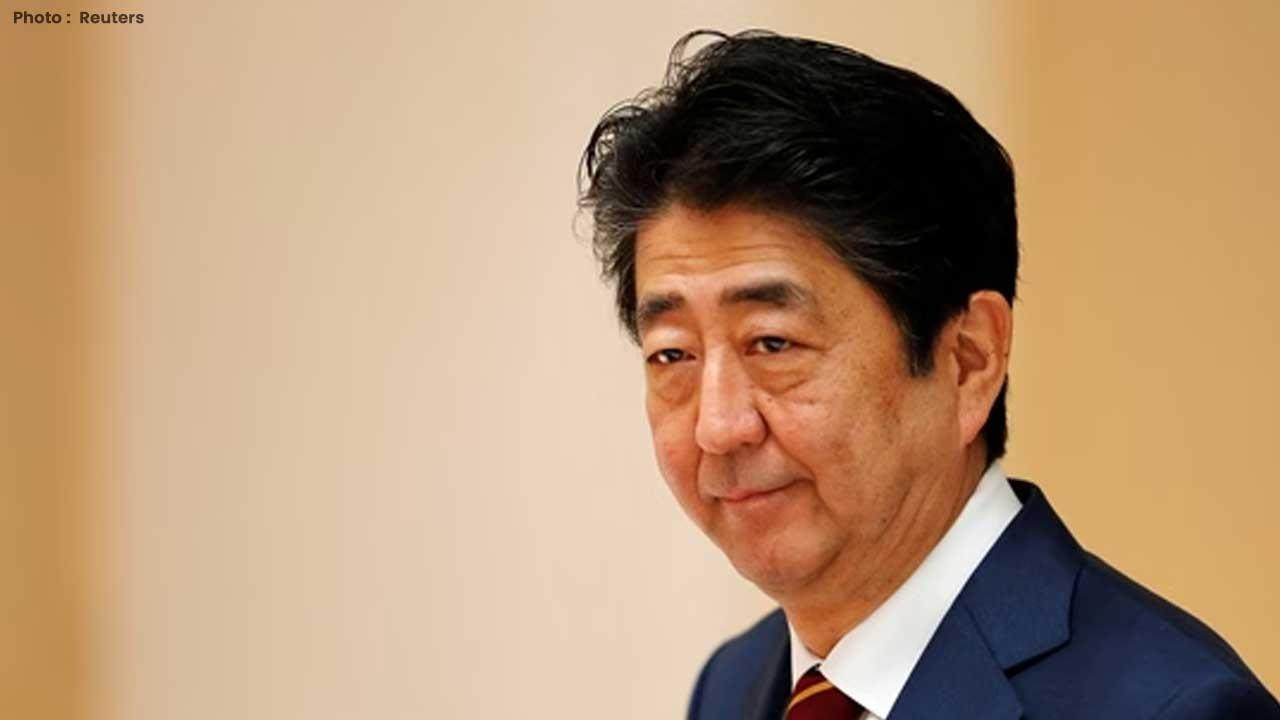
Post by : Rameen Ariff
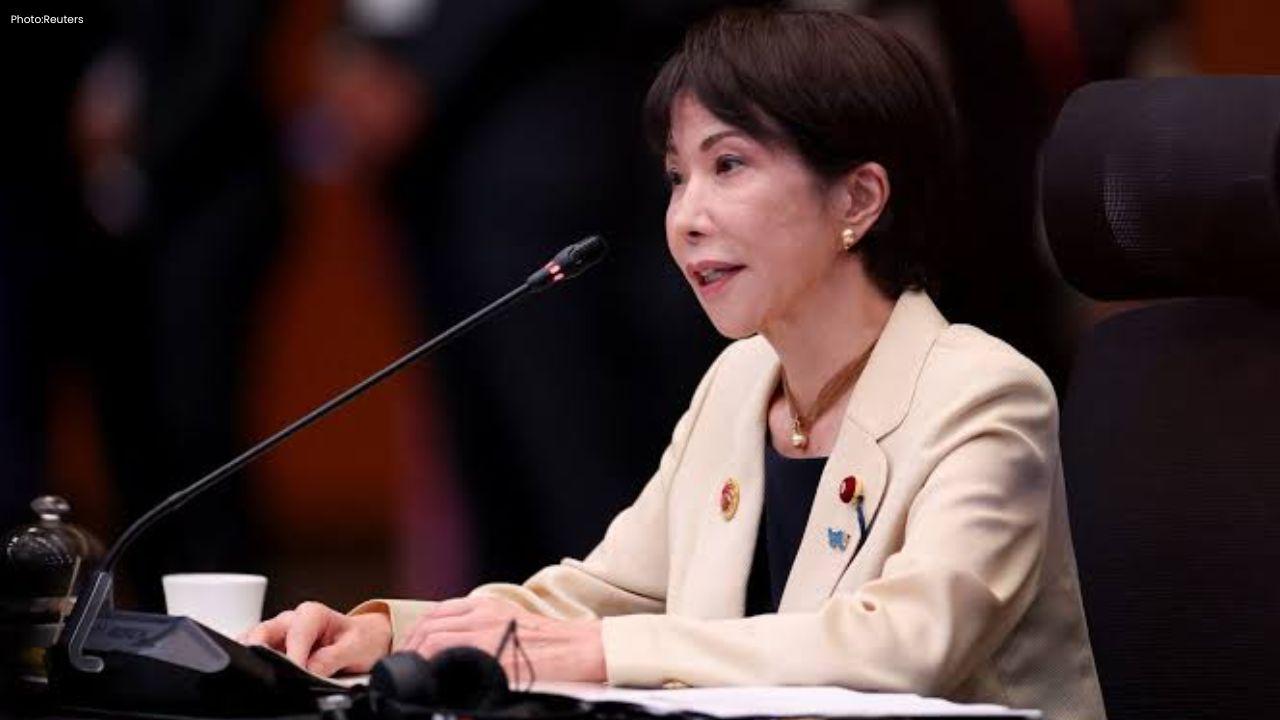
The suspect charged with killing former Prime Minister Shinzo Abe has appeared in court today, marking a pivotal moment in contemporary Japanese history. The proceedings have drawn attention at home and abroad, reviving memories of the July 2022 shooting that shocked Japan. The start of the trial also coincides with a high-profile diplomatic meeting — a summit between Prime Minister Sanae Takaichi and visiting U.S. President Donald Trump, both politically linked to Abe.
Authorities say 45-year-old Tetsuya Yamagami was detained immediately after allegedly firing a homemade firearm at Abe while the former leader spoke at a campaign rally in Nara City. The killing rattled a society known for strict firearm laws and low violent crime. The trial aims to establish motive and to probe wider social issues the case has exposed.
Reports indicate Yamagami resented the Unification Church, blaming it for his family’s financial collapse after his mother donated nearly 100 million yen (roughly $660,000). He reportedly believed Abe’s public encouragement of the group made the ex-premier partially responsible. As the trial unfolds, debate has intensified around political connections with religious movements.
Founded in South Korea in 1954, the Unification Church is noted for mass wedding ceremonies and an international following. Post-assassination disclosures revealed links between the group and more than a hundred lawmakers in the ruling Liberal Democratic Party, provoking public anger and eroding political trust. Prime Minister Takaichi now faces pressure to address these ties while keeping her party intact.
Proceedings began at Nara District Court today at 2 p.m. (0500 GMT). Court schedules list 17 further hearings through year-end, with a verdict anticipated on January 21. Officials say Yamagami plans to admit to the killing but may dispute certain legal counts under Japan’s Firearms and Swords Control Act. Observers warn the case could shape future responses to political violence in Japan.
Public reaction remains intense. Many view the assassination as an assault on Japan’s democratic norms and peaceful image; others acknowledge Yamagami’s reported hardships yet denounce the resort to violence. The trial’s outcome is expected to have lasting effects on security measures, political culture, and the intersection of religion and governance.
As international figures, including Donald Trump, honor Abe’s legacy, Japan faces a period of reflection and potential change — balancing commemoration with a reassessment of its political and social priorities. The trial is thus seen as more than a legal process: it is a national test of justice, conscience and resilience.


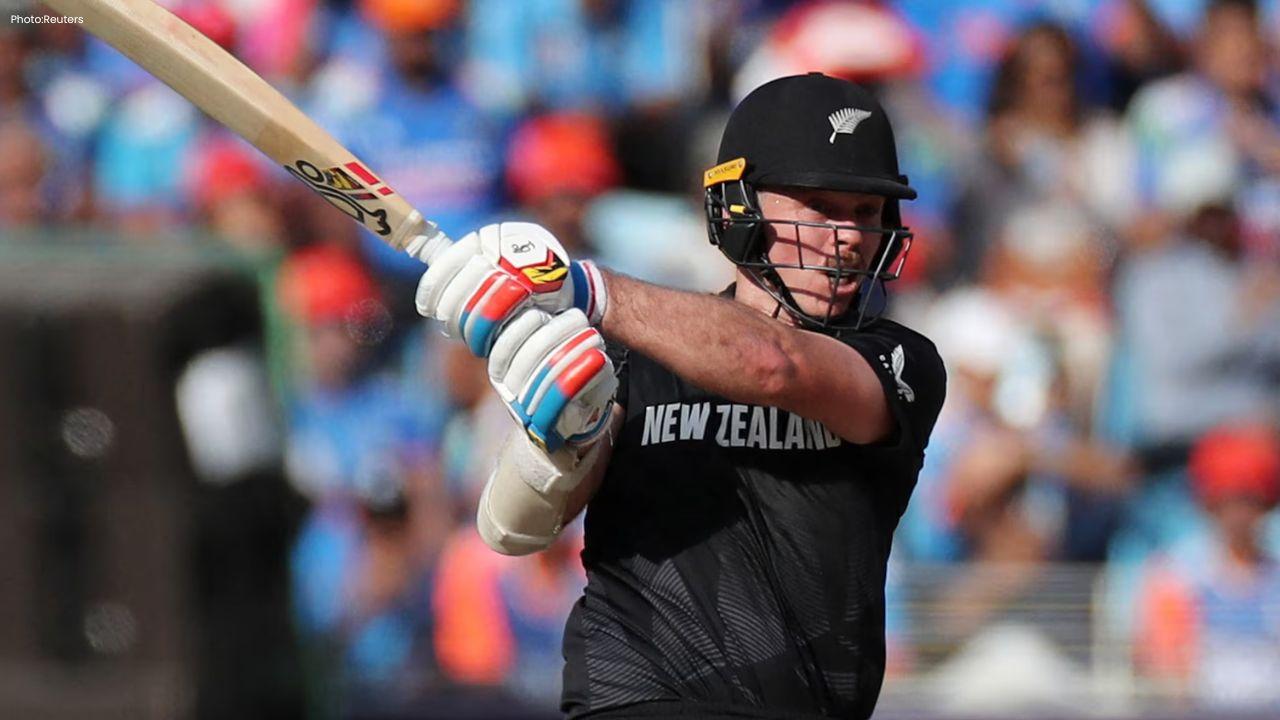



Michael Bracewell Chooses Casual Contract, Targets BBL Opportunity
Michael Bracewell moves to a casual contract as he eyes a BBL opportunity while remaining available

Tuchel Says Alex Scott Can Challenge Declan Rice for England Midfield Spot
Thomas Tuchel says Alex Scott can challenge Declan Rice for an England midfield place after his impr

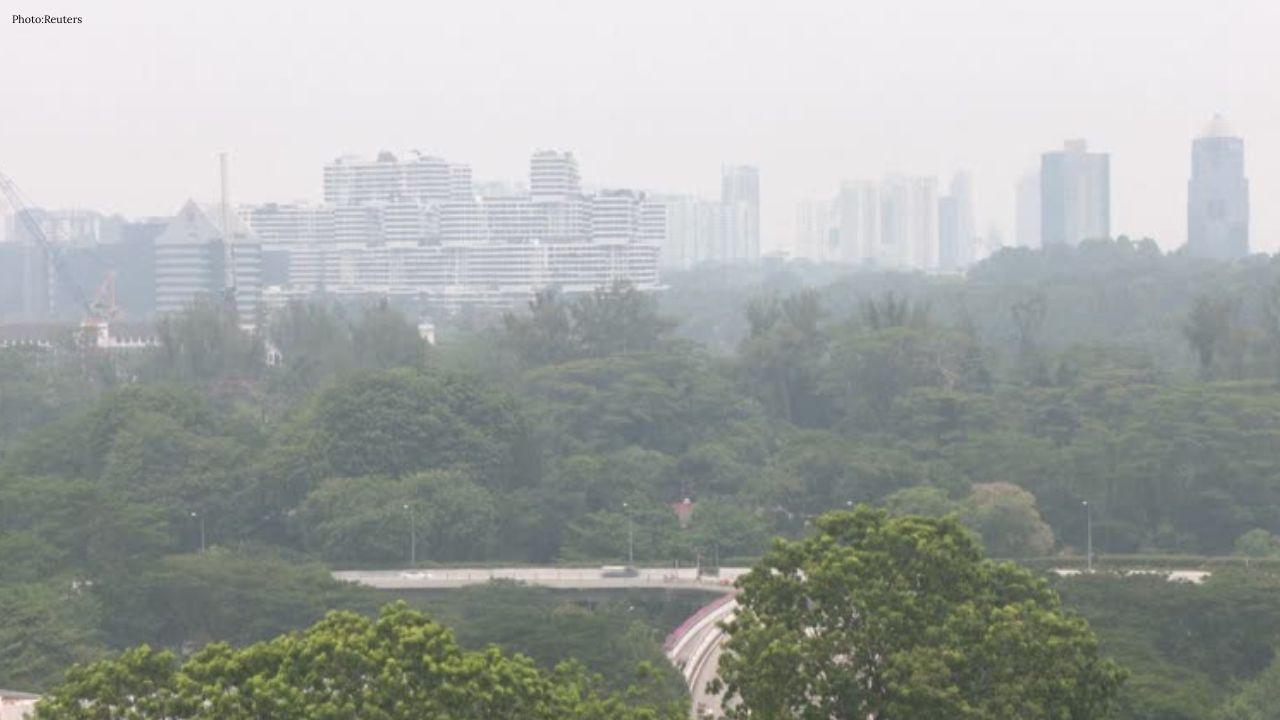
Air Quality Turns Unhealthy in Central and Western Singapore Amid Haze
Singapore haze pushes PSI above 100 in central and western areas as smoke from regional hotspots rai

PM Modi Pays Tribute to Mahatma Gandhi, Urges People to Support Khadi
PM Modi pays tribute to Mahatma Gandhi on Gandhi Jayanti and urges citizens to support Khadi and the

Amazon Seeks to Offload $8 Billion in Nvidia Chips to Investors
Amazon plans to move $8 billion in Nvidia chips to investors, using a new financing model to strengt

Samsung Raises Galaxy S26 Prices as Memory Chip Costs Rise
Samsung raises Galaxy S26 prices in South Korea as rising memory chip costs put pressure on smartpho

