
You have not yet added any article to your bookmarks!
Join 10k+ people to get notified about new posts, news and tips.
Do not worry we don't spam!
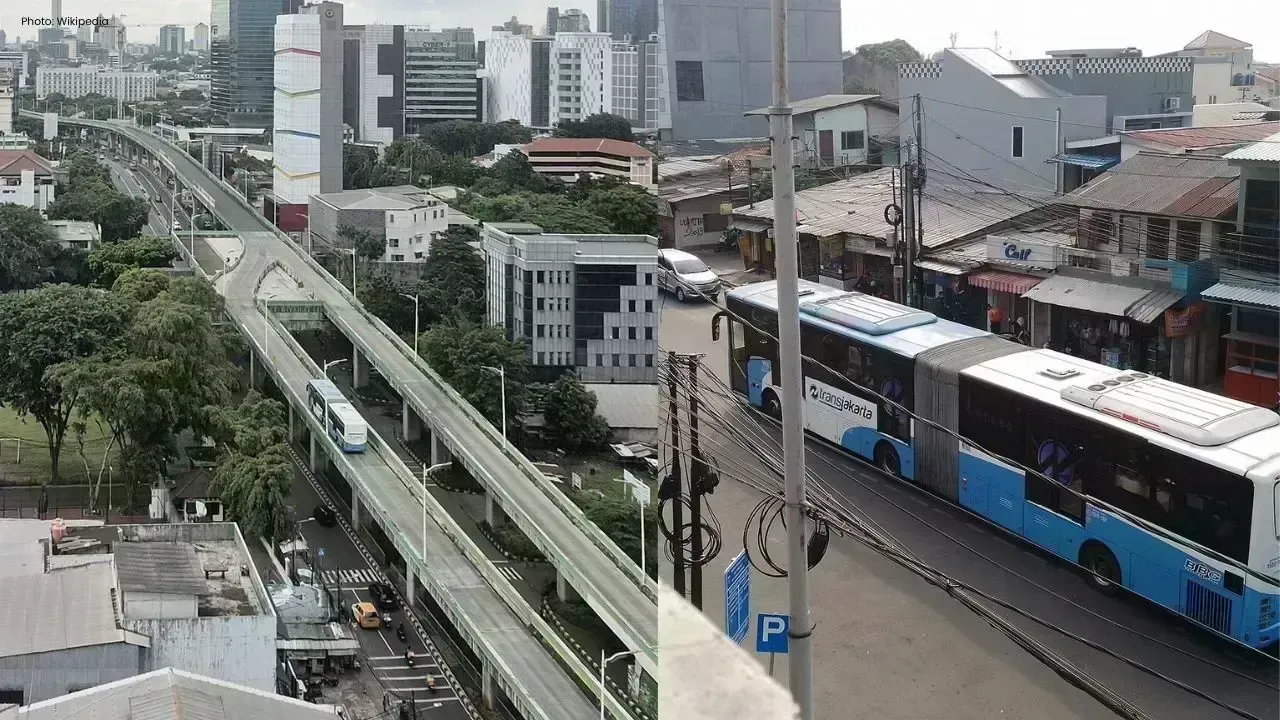
Post by : Shakul
TransJakarta is increasingly being recognized not just as a public transport system but as a powerful economic engine for Indonesia. A recent study highlights how the network contributes significantly to national output while easing the daily burden on commuters in Jakarta.
According to research conducted by the University of Indonesia’s Institute for Economic and Social Research, TransJakarta has generated economic returns far beyond the subsidies it has received. Between 2015 and 2024, the system received Rp 23.1 trillion in subsidies but produced Rp 73.8 trillion in national economic output and Rp 33.9 trillion in added value, demonstrating a strong multiplier effect.
For commuters, the benefits are both immediate and practical. Residents in Jakarta save a notable amount of money each month on transportation, while those traveling from surrounding regions also experience additional savings. This has made public transport a more attractive and cost-effective option compared to private vehicle use.
The findings challenge traditional transport policies in Indonesia that have historically favored fuel subsidies and road expansion. While such policies may provide short-term relief, they often contribute to long-term issues such as traffic congestion, pollution, and increased dependence on imported fuel.
TransJakarta offers a more sustainable alternative by addressing multiple urban challenges simultaneously. The system not only improves mobility but also reduces environmental impact and supports economic activity across sectors.
Beyond direct commuter savings, the network contributes to job creation and improved public health. It is estimated to support tens of thousands of jobs annually while also reducing healthcare costs by lowering emissions and improving air quality in the city.
The success of TransJakarta demonstrates how investing in public transport infrastructure can deliver wide-ranging economic and social benefits. It highlights the need for policymakers to rethink priorities and focus more on integrated transit solutions that support both economic growth and environmental sustainability.










PM Modi Pays Tribute to Mahatma Gandhi, Urges People to Support Khadi
PM Modi pays tribute to Mahatma Gandhi on Gandhi Jayanti and urges citizens to support Khadi and the

Amazon Seeks to Offload $8 Billion in Nvidia Chips to Investors
Amazon plans to move $8 billion in Nvidia chips to investors, using a new financing model to strengt

Samsung Raises Galaxy S26 Prices as Memory Chip Costs Rise
Samsung raises Galaxy S26 prices in South Korea as rising memory chip costs put pressure on smartpho

Lewis Hamilton Calls Singapore Grand Prix One of F1's Toughest Races
Lewis Hamilton discusses the demanding Singapore Grand Prix and brings Plus44 and Almave to Singapor

Denmark's Pandora Opens World's Largest Jewellery Factory in Vietnam
Pandora opens its largest jewellery factory in Vietnam, expanding global production, strengthening s

Gautam Gambhir Questions Batting-Friendly Pitches After India's Record ODI Chase
Gautam Gambhir questions batting-friendly ODI pitches after India’s record chase, calling for a bett

