
You have not yet added any article to your bookmarks!
Join 10k+ people to get notified about new posts, news and tips.
Do not worry we don't spam!
Post by : Anis Farhan
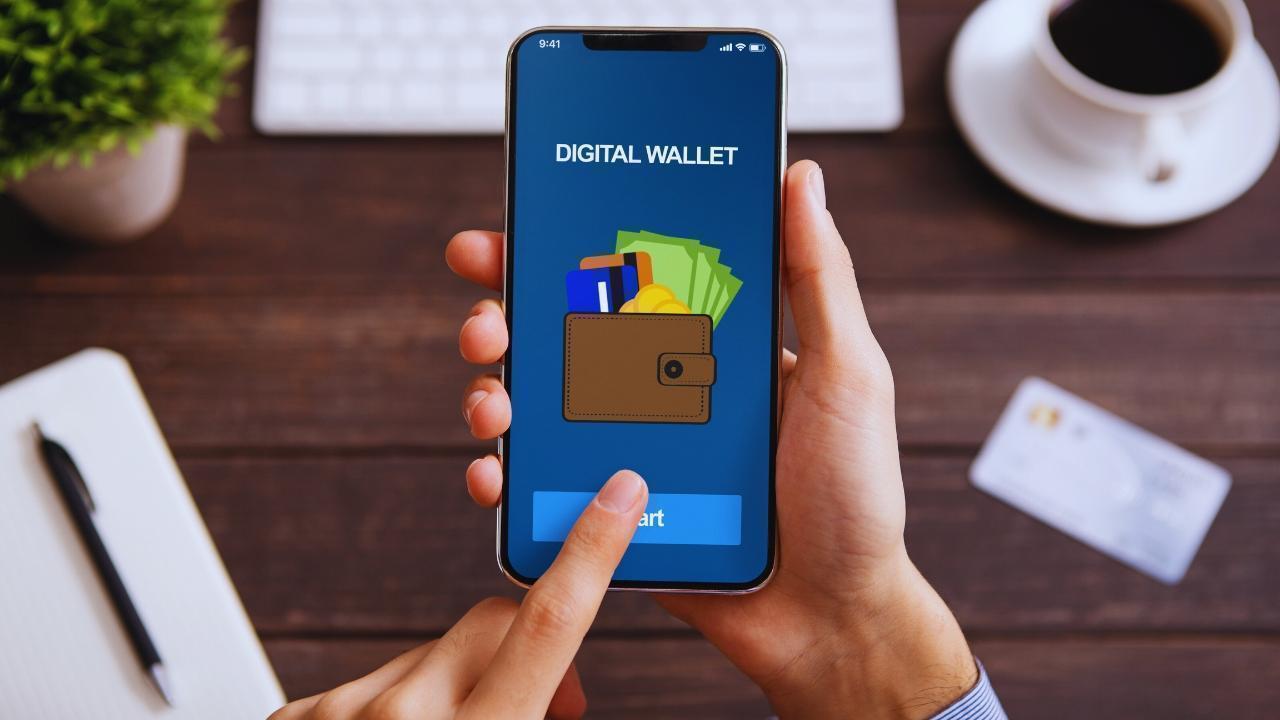
Thailand is taking a bold leap in its economic recovery strategy with the rollout of a digital wallet scheme aimed at injecting consumer confidence and cash flow into the system. Under the plan, every Thai citizen aged 16 and above will receive 10,000 baht (approximately USD 275) in a one-time digital payout, usable only in local businesses within their registered district. The government’s intent is clear: revive domestic consumption, lift SMEs, and steer the country away from persistent stagnation.
The project, which is being led by Prime Minister Srettha Thavisin’s administration, has triggered both hope and skepticism. Supporters argue it could trigger a multiplier effect in the local economy, while critics worry it’s a populist gambit with limited returns. With inflation inching higher and global demand still tepid, Thailand is betting big on stimulus-led growth. But as the scheme rolls out, it’s becoming clear that implementation challenges, fiscal sustainability, and digital readiness may determine whether this policy becomes a success story or a cautionary tale.
Thailand’s economy has struggled to regain momentum following the COVID-19 pandemic. While tourism—a major economic pillar—has recovered partially, domestic consumption has lagged. Household debt is near record highs, wage growth remains modest, and consumer confidence remains fragile. In Q1 2025, GDP growth slowed to 2.1%, well below regional peers like Indonesia and the Philippines.
It’s within this economic context that the digital wallet scheme was introduced as a targeted stimulus tool. By localizing the spending (restricted to small shops in one’s home district) and digitizing the delivery, the policy aims to combine direct aid with fintech modernization. The government hopes to boost liquidity among small businesses while nudging citizens toward a cashless future.
But critics point to limited scope: with usage restricted to specific locations and businesses, and the payout only available for six months, some argue the impact could be short-lived. Additionally, doubts linger about whether people will spend or simply adjust their planned spending to match the 10,000 baht influx—thereby muting its real economic boost.
The policy comes with a hefty price tag—about 500 billion baht (USD 13.5 billion). To fund the scheme, the government has proposed borrowing, drawing from state budgets, and even tapping into the Bank for Agriculture and Agricultural Cooperatives (BAAC). This has sparked concerns about long-term fiscal discipline.
Thailand’s public debt currently hovers around 61% of GDP, below the legal ceiling of 70%, but still a significant jump from pre-pandemic levels. Economists warn that loading more debt for a short-term stimulus may undermine broader fiscal sustainability. The government argues that economic gains will offset debt concerns, projecting an additional 1.2% GDP growth in 2025 due to the policy.
Yet fiscal hawks and opposition lawmakers have demanded greater transparency. Parliament has asked for a clear breakdown of borrowing mechanisms and economic projections. The Thai Chamber of Commerce has also called for stricter tracking of how the stimulus funds are spent, fearing misuse or inefficiencies.
At the heart of the policy is digital distribution—delivering funds via a government-linked app called “Pao Tang,” developed by state-owned Krungthai Bank. Citizens will need to register using national ID and biometric verification, ensuring accurate targeting and reducing fraud.
While Thailand has made significant strides in digital banking and mobile payments over the past five years, concerns remain over digital literacy, especially in rural areas. Questions also persist about whether small, often cash-dependent businesses in districts outside Bangkok are prepared to accept digital payments.
The government has announced training workshops and merchant onboarding programs to bridge the gap. Still, rollout timelines are tight, and there are risks of technical delays or uneven adoption—both of which could undermine confidence in the program.
The digital wallet scheme is not just an economic policy—it’s also a political litmus test for the Srettha administration. The Prime Minister, who came to office in 2023 promising innovation-led growth and grassroots empowerment, is staking political capital on this initiative. Failure to deliver quick wins could damage his coalition’s credibility heading into local and provincial elections in 2026.
So far, public sentiment is cautiously optimistic. In urban areas, digital-savvy consumers welcome the move as a modern approach to stimulus. But in rural provinces, many remain uncertain about digital procedures, eligibility, and how exactly the funds will reach them.
The opposition Move Forward Party has criticized the policy as “vote-buying disguised as reform,” accusing the government of sidestepping structural fixes like tax reform, wage policy, and education investment. Still, they haven’t proposed a concrete alternative to stimulate domestic demand.
Thailand is not the first Southeast Asian nation to explore digital stimulus. Singapore, Indonesia, and Malaysia have all implemented targeted e-voucher or e-wallet subsidies during and after the pandemic. What sets Thailand’s plan apart is its size, localization requirement, and its integration with national digital ID systems.
For regional observers, Thailand’s scheme could serve as a case study on the viability of digital-first public finance tools in a middle-income economy. If successful, it may trigger similar initiatives across ASEAN as governments seek to modernize welfare systems and stimulate local commerce through fintech.
Yet failure could discourage future tech-driven policymaking in a region already wary of cyber threats, data privacy, and financial surveillance concerns. The stakes are high—not just for Srettha’s administration, but for digital governance across the region.
Thailand’s digital wallet scheme represents a bold and complex experiment in modern stimulus policy. While the initiative demonstrates intent and innovation, it remains entangled in logistical challenges, fiscal uncertainty, and execution risks. In a country where economic disparity runs deep and digital infrastructure remains uneven, success will hinge on speed, clarity, and trust.
If the program successfully triggers a boost in household spending and uplifts micro-businesses, it could set a new precedent for digital-age governance. But if it falters—due to poor uptake, technical issues, or political backlash—it may be remembered as an ambitious idea that lacked execution muscle.
For now, all eyes remain on the ground—on wallets, on apps, and on the streets where Thailand’s economic revival will be truly tested.
This article is intended for informational and editorial purposes only. It does not offer economic or financial advice. All views are based on publicly available information and developments up to July 2025.










PM Modi Pays Tribute to Mahatma Gandhi, Urges People to Support Khadi
PM Modi pays tribute to Mahatma Gandhi on Gandhi Jayanti and urges citizens to support Khadi and the

Amazon Seeks to Offload $8 Billion in Nvidia Chips to Investors
Amazon plans to move $8 billion in Nvidia chips to investors, using a new financing model to strengt

Samsung Raises Galaxy S26 Prices as Memory Chip Costs Rise
Samsung raises Galaxy S26 prices in South Korea as rising memory chip costs put pressure on smartpho

Lewis Hamilton Calls Singapore Grand Prix One of F1's Toughest Races
Lewis Hamilton discusses the demanding Singapore Grand Prix and brings Plus44 and Almave to Singapor

Denmark's Pandora Opens World's Largest Jewellery Factory in Vietnam
Pandora opens its largest jewellery factory in Vietnam, expanding global production, strengthening s

Gautam Gambhir Questions Batting-Friendly Pitches After India's Record ODI Chase
Gautam Gambhir questions batting-friendly ODI pitches after India’s record chase, calling for a bett

