
You have not yet added any article to your bookmarks!
Join 10k+ people to get notified about new posts, news and tips.
Do not worry we don't spam!
Post by : Anis Farhan
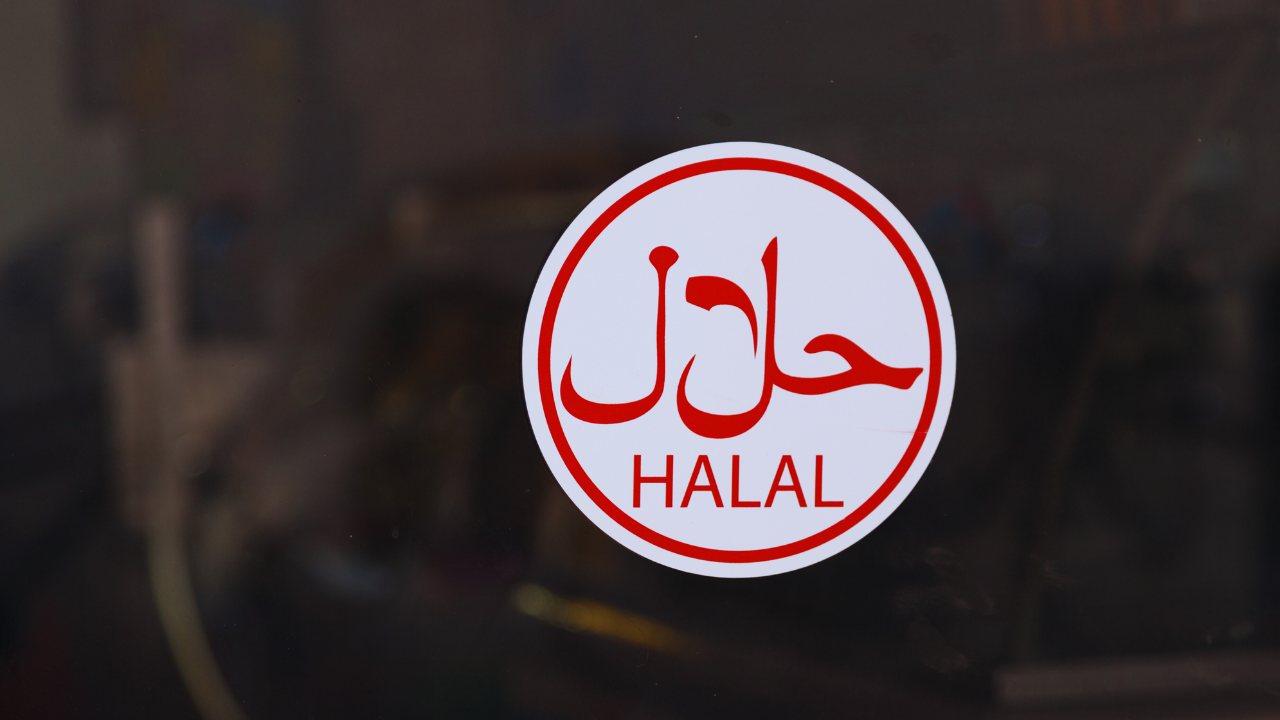
In a calculated push to position itself as a regional leader in the Halal food and product industry, Thailand has signed a series of new bilateral and multilateral trade agreements with Middle Eastern and Southeast Asian countries. The move, announced in late June 2025, is part of Thailand’s long-term vision to capture a larger share of the $3.2 trillion global Halal economy, which spans food, cosmetics, pharmaceuticals, and logistics.
The fresh agreements include expanded access to the United Arab Emirates (UAE), Saudi Arabia, Indonesia, and Malaysia, enhancing the market reach for Thai-certified Halal goods and services. With strong government backing and increasing private sector investment, Thailand is charting an ambitious course toward Halal economic diplomacy.
At the heart of the new strategy is the Thailand-MENA Halal Access Program, a collaborative framework involving Thailand’s Ministry of Commerce, the Halal Science Center at Chulalongkorn University, and trade ministries from Gulf Cooperation Council (GCC) countries.
Key elements of the program include:
Tariff relaxations on processed Halal foods and nutraceuticals for export to the UAE and Oman.
Mutual recognition of Halal certification bodies between Thailand and Saudi Arabia.
Digital export facilitation via Thailand’s new “Halal Trade Gateway” platform.
In parallel, Thailand has secured streamlined intra-ASEAN Halal trade protocols with Indonesia and Malaysia. These agreements reduce regulatory delays and customs scrutiny, especially on fast-moving consumer goods such as snacks, ready-to-eat meals, and herbal supplements.
Thailand’s Halal industry has undergone major institutional strengthening in recent years. The country now has over 1,500 Halal-certified factories and boasts a national Halal logistics standard, making it one of the most organized non-Muslim-majority nations in the sector.
Government support includes:
Subsidies for Halal certification among small food and beverage (F&B) manufacturers.
Expansion of Halal testing laboratories under Thailand’s Food and Drug Administration (FDA).
A $200 million investment commitment to build Halal industrial parks in Songkhla and Nakhon Si Thammarat provinces.
Thailand’s competitive edge lies in combining advanced food processing technology with rigorous compliance protocols, making it an ideal supplier for the high-standard Gulf markets.
Major Thai conglomerates such as Charoen Pokphand Group and Thai Union have announced plans to expand their Halal product lines, particularly in frozen seafood, plant-based meats, and fortified health drinks.
In Q2 2025 alone, Thailand’s Halal exports rose by 18.7% year-on-year, driven by demand spikes in the UAE, Indonesia, and Brunei. Analysts project Halal exports to surpass $10 billion annually by 2027, if the current momentum continues.
A major win came with Thailand securing “preferred supplier” status for Halal school meal programs in Abu Dhabi and Jakarta, giving Thai food manufacturers long-term export contracts.
Despite the growth, Thailand’s Halal sector faces persistent challenges:
Some regional critics have questioned authenticity in certification, especially as export volumes scale rapidly.
Logistics chains in remote provinces still lack cold-chain compliance, risking product spoilage and non-compliance.
There is a growing need to diversify Halal exports beyond food, into categories like cosmetics, hygiene products, and Islamic fintech.
To address these, the government is working closely with the Organization of Islamic Cooperation (OIC) and the Thailand Halal Assembly to develop stricter auditing, traceability, and consumer transparency systems.
Thailand’s Halal expansion is not merely economic—it also reflects a nuanced exercise in soft power and cultural diplomacy. By engaging Muslim-majority trading partners on ethical consumption, standards harmonization, and certification transparency, Thailand is proving that a non-Muslim-majority nation can lead in Halal governance through trust and scientific rigor.
This approach is enhancing Thailand’s regional identity as an inclusive, tech-forward, and reliable Halal exporter, while simultaneously creating opportunities for SMEs, agripreneurs, and rural women-led cooperatives.
As global Muslim consumer preferences evolve toward premium, ethical, and wellness-oriented products, Thailand’s ability to adapt quickly may very well make it the Halal hub of the Eastern Hemisphere.
This article is for informational purposes only and does not constitute legal, trade, or religious certification advice. For regulatory or religious compliance, consult appropriate Halal certification authorities.










PM Modi Pays Tribute to Mahatma Gandhi, Urges People to Support Khadi
PM Modi pays tribute to Mahatma Gandhi on Gandhi Jayanti and urges citizens to support Khadi and the

Amazon Seeks to Offload $8 Billion in Nvidia Chips to Investors
Amazon plans to move $8 billion in Nvidia chips to investors, using a new financing model to strengt

Samsung Raises Galaxy S26 Prices as Memory Chip Costs Rise
Samsung raises Galaxy S26 prices in South Korea as rising memory chip costs put pressure on smartpho

Lewis Hamilton Calls Singapore Grand Prix One of F1's Toughest Races
Lewis Hamilton discusses the demanding Singapore Grand Prix and brings Plus44 and Almave to Singapor

Denmark's Pandora Opens World's Largest Jewellery Factory in Vietnam
Pandora opens its largest jewellery factory in Vietnam, expanding global production, strengthening s

Gautam Gambhir Questions Batting-Friendly Pitches After India's Record ODI Chase
Gautam Gambhir questions batting-friendly ODI pitches after India’s record chase, calling for a bett

