You have not yet added any article to your bookmarks!
Join 10k+ people to get notified about new posts, news and tips.
Do not worry we don't spam!
Post by : Rameen Ariff
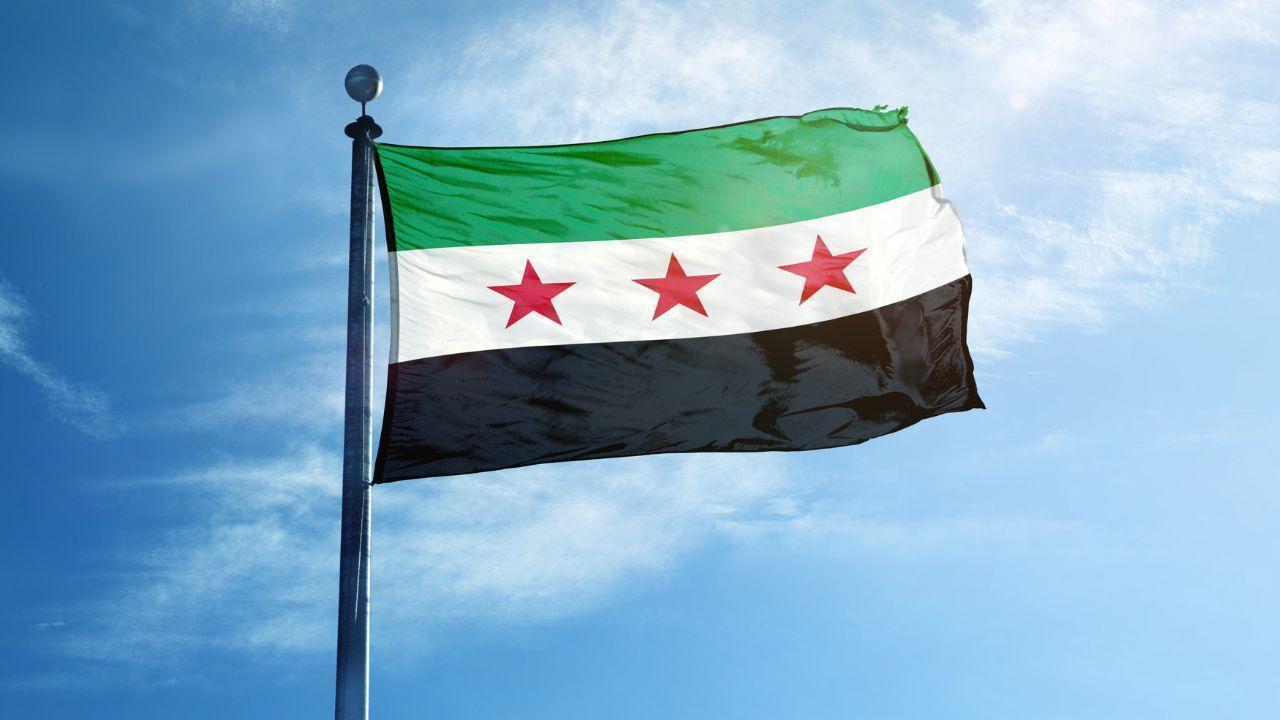
The Suwayda massacre in Syria has revealed the grim reality of the country’s instability after Bashar al-Assad’s regime fell. Armed men have been dragging civilians from their homes, calling them “pigs, dogs, and heretics,” and executing them in shocking scenes captured on video. The Suwayda massacre highlights how the new Syrian government struggles to control armed factions and protect vulnerable communities. Witnesses and verified videos show execution-style killings, parading bodies through streets, and assaults on religious leaders, emphasizing the scale of violence in Suwayda.
The Suwayda massacre is a stark reminder of the dangers civilians face in post-Assad Syria. Videos show armed fighters forcing Druze families off balconies and shooting them in cold blood. Many of the victims were unarmed civilians, although some were Druze men who took up arms in self-defense. Independent monitors estimate that about 2,000 combatants and civilians, mostly Druze, have died in Suwayda. The Suwayda massacre underscores how the fragile new Syrian government led by Ahmed al-Shara is unable to prevent atrocities and control extremist elements.
Sectarian tensions fuel the violence behind the Suwayda massacre. Syria’s complex mix of Sunnis, Shiites, Christians, Druze, and Alawites has long created divisions, with armed groups targeting minorities. The Suwayda massacre escalated after clashes between Druze and Bedouin fighters, with government troops joining the attacks on civilians. The Syrian Observatory for Human Rights reports that Druze fighters also killed at least three civilians and displayed the bodies of government soldiers publicly. The Suwayda massacre demonstrates that sectarian violence continues to destabilize Syria even after Assad’s fall.
The Suwayda massacre also exposes the challenges facing Ahmed al-Shara’s administration. Al-Shara, a former jihadist, had promised to protect minorities and rein in extremist groups, but his forces have failed to prevent attacks on civilians. Following the Suwayda massacre, calls for secession by Druze leaders have intensified, while Kurdish forces in the northeast continue to resist integration into the new government. The Suwayda massacre reflects the deep divisions and lack of security that plague post-Assad Syria.
International observers have condemned the Suwayda massacre, but the violence shows no signs of slowing. Israel reportedly intervened to protect the Druze in certain areas, and Sunni extremists from eastern Syria joined the fighting. After the Suwayda massacre, fears are growing about the safety of religious minorities and the ability of the new Syrian government to restore law and order. The Suwayda massacre serves as a chilling reminder that civilians in Syria remain highly vulnerable amid ongoing conflicts and weak governance.
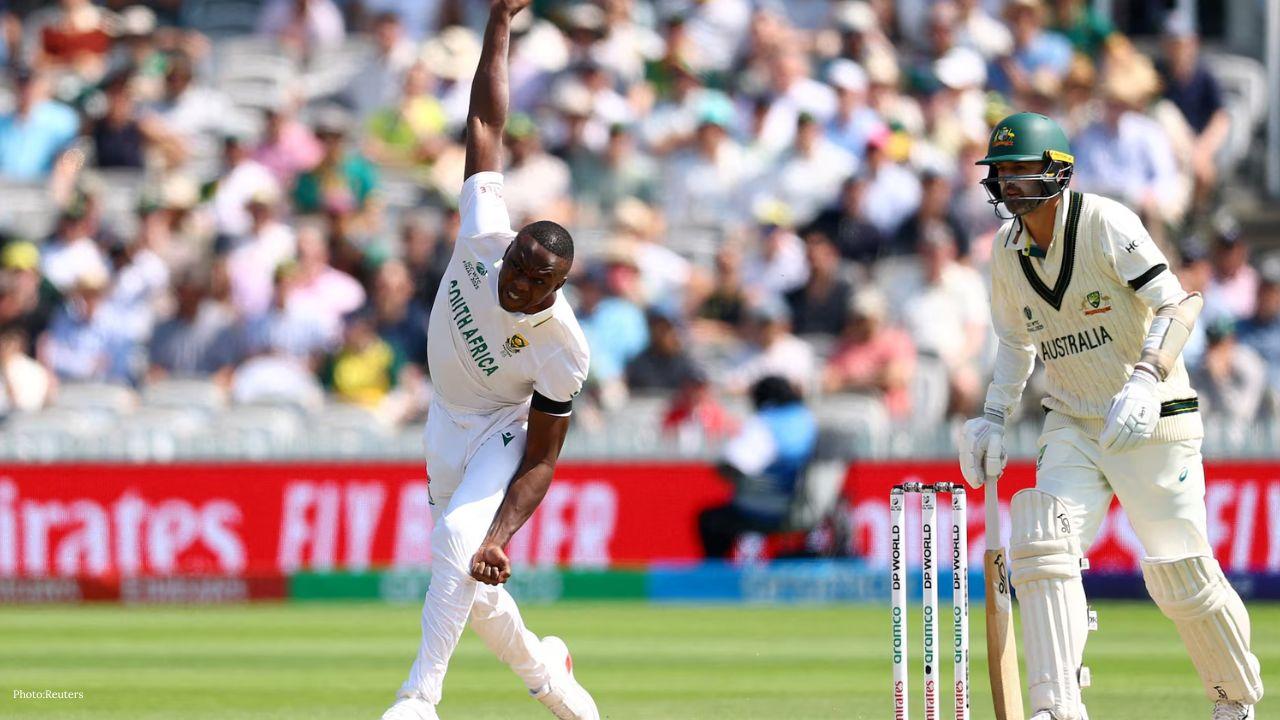






Rabada Misses First Australia Test as South Africa Pick Two Spinners
Kagiso Rabada misses the opener as South Africa vs Australia begins, with Anrich Nortje returning an

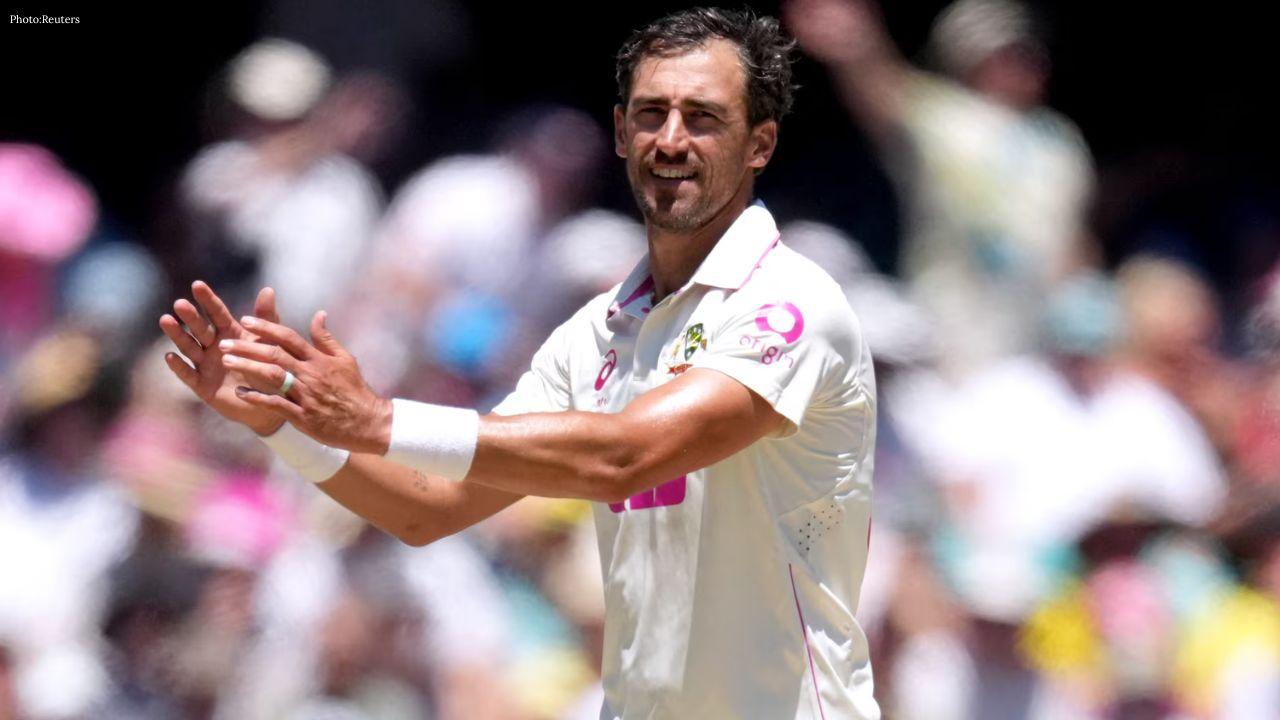
Starc Compares Australia's Tough Year to McIlroy's Major Sweep
Mitchell Starc says Australia winning three away Test series and the World Cup would match Rory McIl

France’s Sesterce Plans $11 Billion AI Data Centre in Finland
Sesterce plans a $11 billion AI data centre in Finland, with major expansion, green energy plans and

Danaher to Launch AI-Powered Autonomous Research Lab in 2027
Danaher plans an AI research lab for 2027, combining robotics and automation to speed up drug discov

Musk Welcomes German Support for Tesla Driver Assistance Tech as EU Approval Push Continues
Elon Musk welcomes Germany's backing for Tesla FSD as the company seeks EU approval amid speed, safe

Microsoft and Nvidia CEOs to Unveil AI Laptop at San Francisco Event
Microsoft and Nvidia showcase a new AI laptop with RTX Spark chips as they push powerful local AI co