You have not yet added any article to your bookmarks!
Join 10k+ people to get notified about new posts, news and tips.
Do not worry we don't spam!
Post by : Anis Farhan
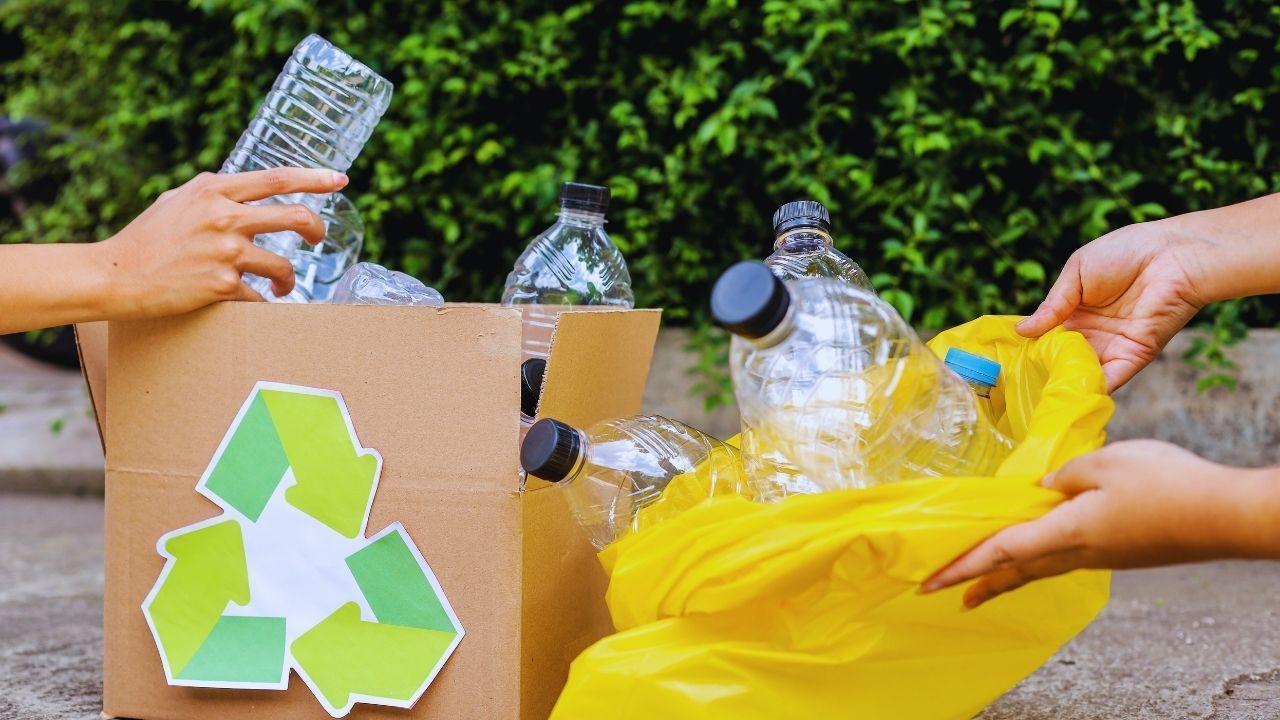
Plastic pollution is one of the greatest environmental challenges of our time. Every year, over 400 million tonnes of plastic are produced globally, and less than 10% of it is effectively recycled. The rest ends up in landfills, rivers, and oceans — choking ecosystems and poisoning food chains. Microplastics are now found everywhere: in the air we breathe, the water we drink, and even inside the human body.
The world’s reliance on plastic — once hailed as a symbol of modern progress — has become a ticking ecological time bomb. Governments, scientists, and industries are now realizing that the solution cannot come from recycling alone; it must include innovation, regulation, and behavioral change. This growing awareness has sparked a global movement toward plastic alternatives and smarter waste management technologies.
For decades, plastic has dominated production because it’s cheap, versatile, and durable. However, its durability is precisely what makes it dangerous — it takes hundreds of years to decompose. As oceans fill with plastic debris and landfills overflow, society is confronting an uncomfortable truth: convenience has come at a catastrophic cost.
The transition away from plastic is not just an environmental issue but an economic one. Businesses that once depended heavily on single-use packaging are now forced to redesign their supply chains and rethink materials. Countries such as India, the UK, and members of the EU have introduced bans or taxes on single-use plastics, pushing companies to adopt eco-friendly substitutes like bamboo, paper, or plant-based bioplastics.
But replacing plastic isn’t easy. Many alternatives still lack durability, scalability, or cost efficiency. Therefore, the future lies in combining innovation with infrastructure — designing materials that are sustainable while building systems that can handle them responsibly.
In recent years, the rise of biodegradable plastics and compostable packaging has given new hope to the sustainability movement. Materials like polylactic acid (PLA), made from corn starch or sugarcane, are gaining popularity as they can decompose under industrial composting conditions.
Bamboo, jute, areca palm leaves, and rice husks are also being used in countries like India and Indonesia to create plates, cups, and packaging materials. They offer a natural alternative to petroleum-based plastics and are renewable by nature.
However, these “green plastics” are not a one-size-fits-all solution. True biodegradability often requires specific conditions that are rarely met in traditional landfills. Therefore, innovation must go hand in hand with waste segregation and composting infrastructure. Without that, even biodegradable materials can contribute to waste if not disposed of correctly.
Traditional recycling systems are plagued with inefficiencies — contamination, sorting errors, and lack of awareness reduce recycling effectiveness. But the rise of artificial intelligence and robotics is revolutionizing the recycling process.
AI-driven sorting machines can now identify, categorize, and separate different types of waste with remarkable accuracy. Using optical sensors and machine learning, these systems recognize materials by their shape, color, or even chemical composition. This automation increases efficiency and reduces the human labor required in recycling facilities.
Chemical recycling is another breakthrough. Unlike mechanical recycling (which can degrade material quality), chemical recycling breaks down plastic into its basic molecular components, allowing it to be reused like virgin material. Companies across Europe and Asia are investing in these technologies to create closed-loop systems — where waste becomes raw material again, reducing the need for new plastic production.
The circular economy model is at the heart of modern waste management innovation. It promotes the idea that waste should not exist — instead, every product should be designed for reuse, repair, and recycling. The linear “take-make-dispose” system is being replaced by a circular one that keeps resources in use for as long as possible.
Corporations like Unilever, Nestlé, and Coca-Cola are investing heavily in reusable packaging systems, returnable containers, and refill stations. This shift is also empowering startups that specialize in zero-waste solutions, helping consumers reduce single-use dependency through bulk shopping and sustainable lifestyle products.
Circularity also extends to urban planning. Smart cities are now integrating waste segregation bins with sensor-based alerts, ensuring timely collection and reducing overflow. By transforming waste into energy, biofuel, or new materials, cities are demonstrating that sustainability and progress can coexist.
Asia, particularly Southeast Asia and India, has become both the frontline and the laboratory of the waste crisis. With rapid urbanization and population growth, managing plastic waste is a pressing challenge. Yet, it’s also where some of the most innovative solutions are emerging.
In Indonesia, startups are turning seaweed into biodegradable packaging films that dissolve in water. India has pioneered roads made from recycled plastic waste — durable, weather-resistant, and sustainable. Singapore’s waste-to-energy plants convert non-recyclable waste into electricity, powering thousands of homes.
These homegrown innovations are proof that sustainable change doesn’t always require expensive global interventions — local creativity and community participation can also lead the way. When citizens, governments, and businesses collaborate, waste management becomes not just a necessity but an opportunity for growth and innovation.
Technology alone cannot solve the waste problem. Human behavior plays an equally crucial role. The effectiveness of recycling and sustainable material use depends heavily on public awareness and participation. Segregating waste at the source — into biodegradable and non-biodegradable categories — is the foundation of any successful waste management system.
Educational campaigns, school programs, and media initiatives have begun to shape eco-conscious habits among younger generations. Urban communities are now forming recycling clubs, composting groups, and waste banks that reward individuals for responsible disposal. The shift from consumerism to conscious consumption is slowly taking root, redefining sustainability as a lifestyle rather than a luxury.
Businesses are increasingly being held accountable for their environmental footprints. Extended Producer Responsibility (EPR) laws, which make companies responsible for collecting and recycling their packaging waste, are gaining momentum worldwide. This model encourages manufacturers to design products that are easier to recycle or reuse, reducing long-term environmental harm.
Governments, too, are stepping up. Bans on single-use plastics, incentives for eco-friendly packaging, and stricter landfill regulations are reshaping the global waste management landscape. Public-private partnerships are driving infrastructure development for waste collection, sorting, and recycling — turning environmental policy into practical, measurable progress.
Despite the progress, several hurdles remain. The cost of developing biodegradable materials and setting up advanced recycling systems is still high, especially in developing economies. Many regions lack proper waste collection and segregation infrastructure, leading to contamination that renders recycling ineffective.
Moreover, the global economy is still heavily tied to fossil fuels, meaning that plastic remains cheaper than most sustainable alternatives. Until renewable materials become more cost-competitive, widespread adoption will remain limited. Lastly, changing public mindset takes time — habits formed over decades cannot be overturned overnight.
The journey toward sustainable waste management is not about eradicating plastic overnight but about transforming our relationship with it. The key lies in integration — combining innovation with education, policy, and corporate accountability.
In the near future, we may see packaging that biodegrades like fruit peels, smart bins that sort waste automatically, and households that produce zero garbage. Schools might teach sustainability as a life skill, while cities could run entirely on circular systems where nothing truly goes to waste.
Such a world may seem ambitious, but it’s not impossible. With every innovation — whether it’s AI-powered recycling or seaweed-based packaging — humanity moves closer to closing the loop. The planet’s health depends on how quickly we embrace these changes and treat waste not as garbage, but as a resource waiting to be reborn.
This article is a creative editorial overview of current sustainability and waste management trends. It is intended for general informational purposes and does not represent the views of any specific organization or government body.








George Russell Wins Dutch GP Sprint, Boosts Mercedes Morale
George Russell wins the Dutch GP Sprint from pole as Mercedes teammate Kimi Antonelli extends his F1

Australia 50/3 After Bangladesh Bowled Out for 64 in Second Test
Australia reached 50/3 after Bangladesh were bowled out for 64 in the second Test, with Mitchell Sta

Jordan Burroughs Returns to Wrestling with 2028 Olympic Dream
Jordan Burroughs returns to wrestling with Real American Freestyle as the Olympic champion eyes a po

Lamborghini Catches Fire on Singapore's ECP, Causing Heavy Traffic
A Lamborghini caught fire on Singapore's ECP, causing heavy traffic and bus delays. No injuries were
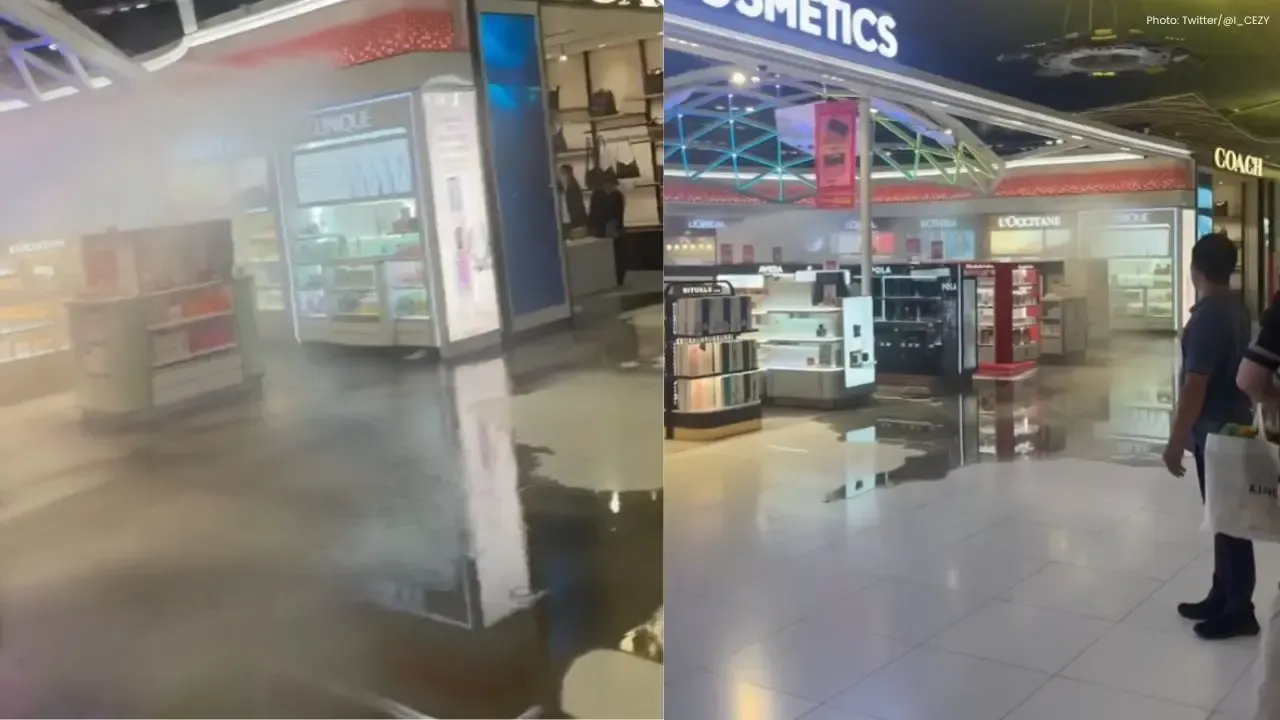
Bangkok Airport Duty-Free Area Flooded by Pipe Burst
A burst water pipe flooded the duty-free shopping area at Bangkok's Suvarnabhumi Airport on July 16,
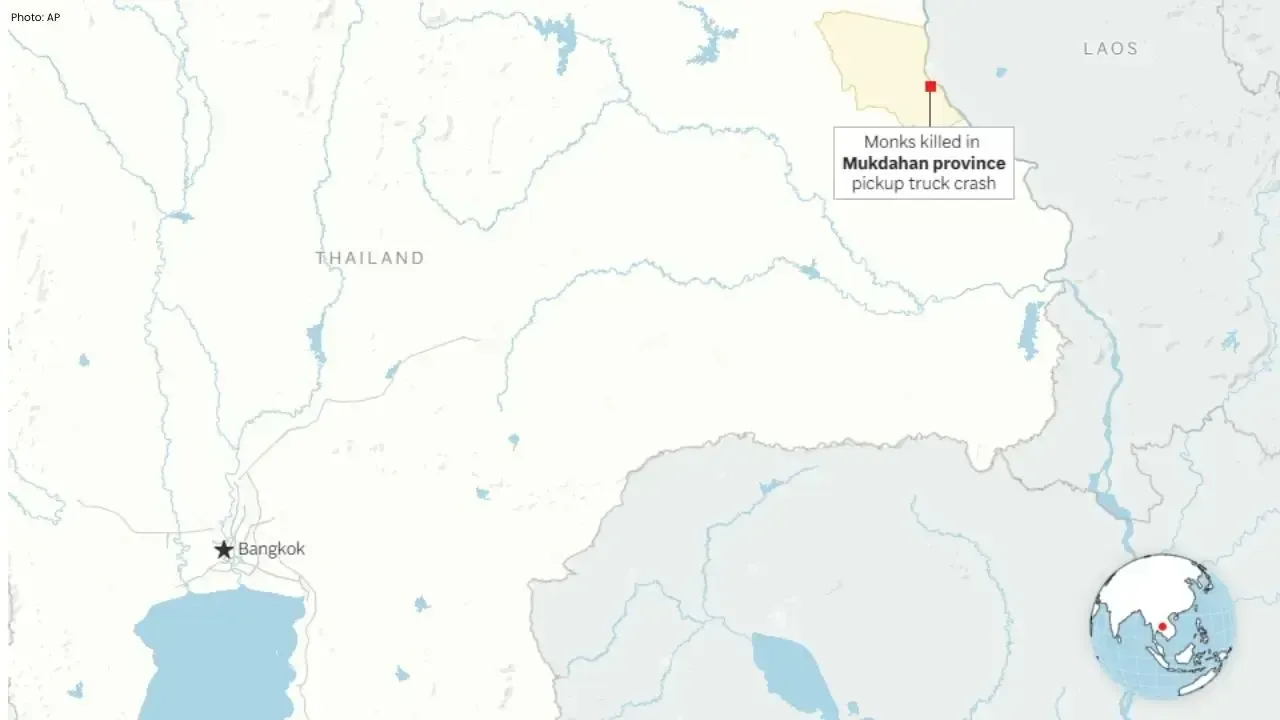
Nine Monks Killed in Thailand Pickup Truck Tragedy
An 11-year-old boy driving a pickup truck crashed into monks during a pilgrimage in northeastern Tha