You have not yet added any article to your bookmarks!
Join 10k+ people to get notified about new posts, news and tips.
Do not worry we don't spam!
Post by : Anis Farhan
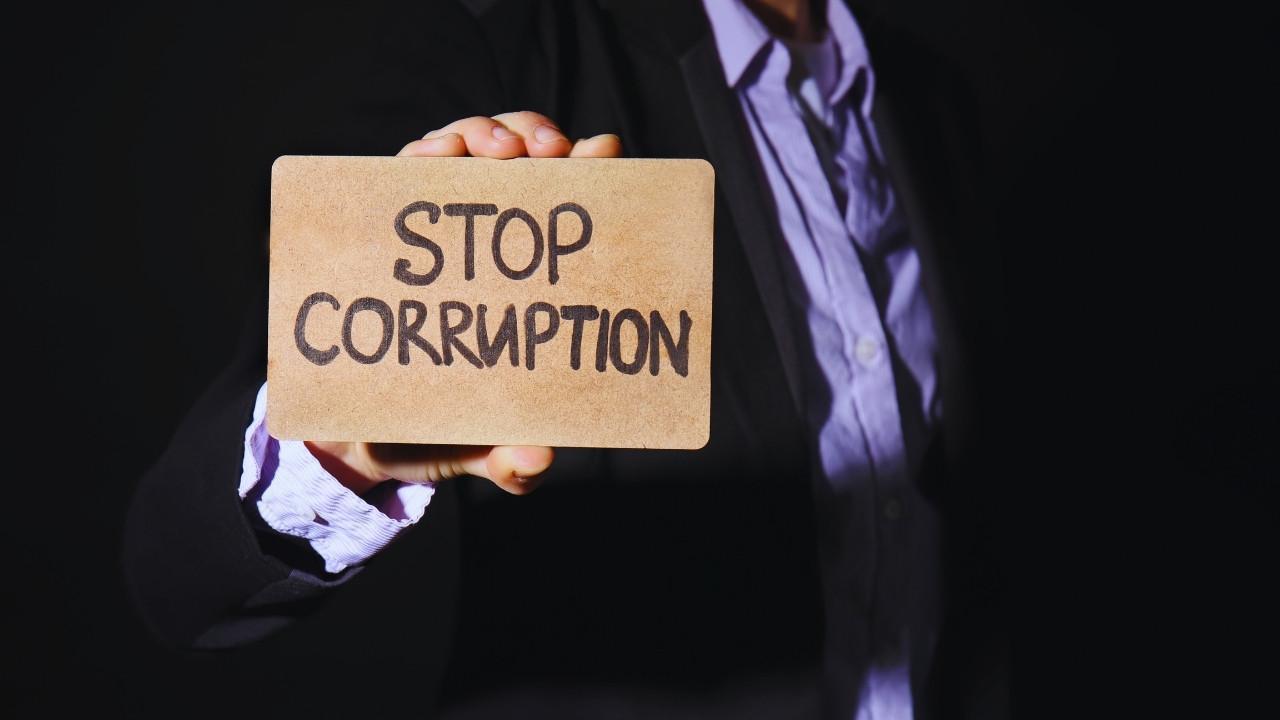
In 2015, the 1Malaysia Development Berhad (1MDB) scandal emerged as one of the most significant financial corruption cases in modern history. Billions of dollars were allegedly siphoned from Malaysia’s state investment fund through a network of shell companies, foreign accounts, and political connections. The scandal not only toppled a long-standing government but also placed Malaysia under global scrutiny.
As countries across Southeast Asia grapple with their own corruption challenges, Malaysia’s 1MDB experience offers crucial lessons. From political accountability to financial transparency, the scandal has left a lasting mark on the country’s governance landscape and serves as a cautionary tale for the wider region.
Investigations revealed that up to $4.5 billion was misappropriated from the fund, implicating high-level officials, businessmen, and international financial institutions.
The scandal stretched beyond Malaysia’s borders. Financial regulators in the United States, Switzerland, Singapore, and other countries investigated illicit money flows linked to 1MDB. Luxury real estate, yachts, and even Hollywood film productions were tied to the misappropriated funds.
The scandal directly implicated former Prime Minister Najib Razak, whose administration came under fire for lack of transparency and misuse of power. Public outrage culminated in Malaysia’s historic 2018 general election, where voters ousted the ruling coalition for the first time in six decades.
Indonesia has faced multiple corruption scandals, including misuse of state funds, judicial bribery, and procurement fraud. The country’s Corruption Eradication Commission (KPK) remains central in tackling systemic corruption.
Thailand has struggled with high-profile cases linked to military spending and infrastructure contracts. Political instability often exacerbates corruption, as competing factions use state resources for influence.
Vietnam has seen rising scandals involving state-owned enterprises and financial mismanagement. The government has launched anti-corruption drives, but the scale of economic fraud remains concerning.
The misuse of public development funds in the Philippines, popularly known as the “pork barrel scam,” highlighted how corruption can hinder economic progress and public trust.
These examples show that while corruption varies in scale and form, Southeast Asia continues to struggle with systemic governance challenges.
Public outrage and grassroots movements played a central role in holding leaders accountable. The scandal demonstrated how voter mobilization can force political change, even in systems long dominated by entrenched elites.
The case highlighted the need for strong, independent institutions capable of investigating and prosecuting corruption without political interference. Malaysia has since attempted to strengthen anti-corruption bodies, though challenges remain.
Given the international nature of illicit money flows, global cooperation was vital. The U.S. Department of Justice and other agencies played crucial roles in tracing funds and prosecuting offenders, showing the importance of cross-border collaboration.
The 1MDB scandal revealed risks associated with opaque investment vehicles. Malaysia has since introduced stronger financial reporting, parliamentary oversight, and anti-money laundering measures to prevent repeat incidents.
Malaysia’s Anti-Corruption Commission (MACC) was given more autonomy and resources to investigate financial crimes.
Policies were introduced to encourage whistleblowers to expose misconduct without fear of retaliation.
High-profile prosecutions, including that of Najib Razak, signaled a shift toward accountability, though critics argue that legal processes remain lengthy and politically influenced.
Civil society organizations, media outlets, and universities increasingly promote anti-corruption awareness and governance ethics.
Anti-corruption reforms cannot succeed without strong political will. Malaysia’s electoral shift in 2018 demonstrated how leadership changes can push reforms forward.
Corruption scandals undermine investor confidence. Malaysia’s reforms, however gradual, aim to rebuild trust and signal commitment to clean governance.
Citizen activism, media scrutiny, and independent watchdogs are vital in pushing governments to act.
Regional cooperation through bodies like ASEAN can enhance anti-corruption frameworks, ensuring illicit funds cannot simply cross borders to avoid detection.
Corruption remains deeply entrenched across Southeast Asia, but the 1MDB scandal proved that change is possible. Malaysia’s experience shows that sustained public pressure, institutional reforms, and international cooperation can bring accountability even at the highest levels.
While challenges remain, the lessons from Malaysia’s painful experience could inspire broader reforms across the region. Ultimately, tackling corruption requires a combination of strong laws, independent enforcement, and a determined citizenry unwilling to accept impunity.
This article provides an analysis of corruption trends and lessons learned from Malaysia’s 1MDB case. It is intended for informational purposes only and does not provide legal or financial advice. Readers should refer to official government and legal sources for authoritative updates.






George Russell Wins Dutch GP Sprint, Boosts Mercedes Morale
George Russell wins the Dutch GP Sprint from pole as Mercedes teammate Kimi Antonelli extends his F1

Australia 50/3 After Bangladesh Bowled Out for 64 in Second Test
Australia reached 50/3 after Bangladesh were bowled out for 64 in the second Test, with Mitchell Sta

Jordan Burroughs Returns to Wrestling with 2028 Olympic Dream
Jordan Burroughs returns to wrestling with Real American Freestyle as the Olympic champion eyes a po

Lamborghini Catches Fire on Singapore's ECP, Causing Heavy Traffic
A Lamborghini caught fire on Singapore's ECP, causing heavy traffic and bus delays. No injuries were

Bangkok Airport Duty-Free Area Flooded by Pipe Burst
A burst water pipe flooded the duty-free shopping area at Bangkok's Suvarnabhumi Airport on July 16,
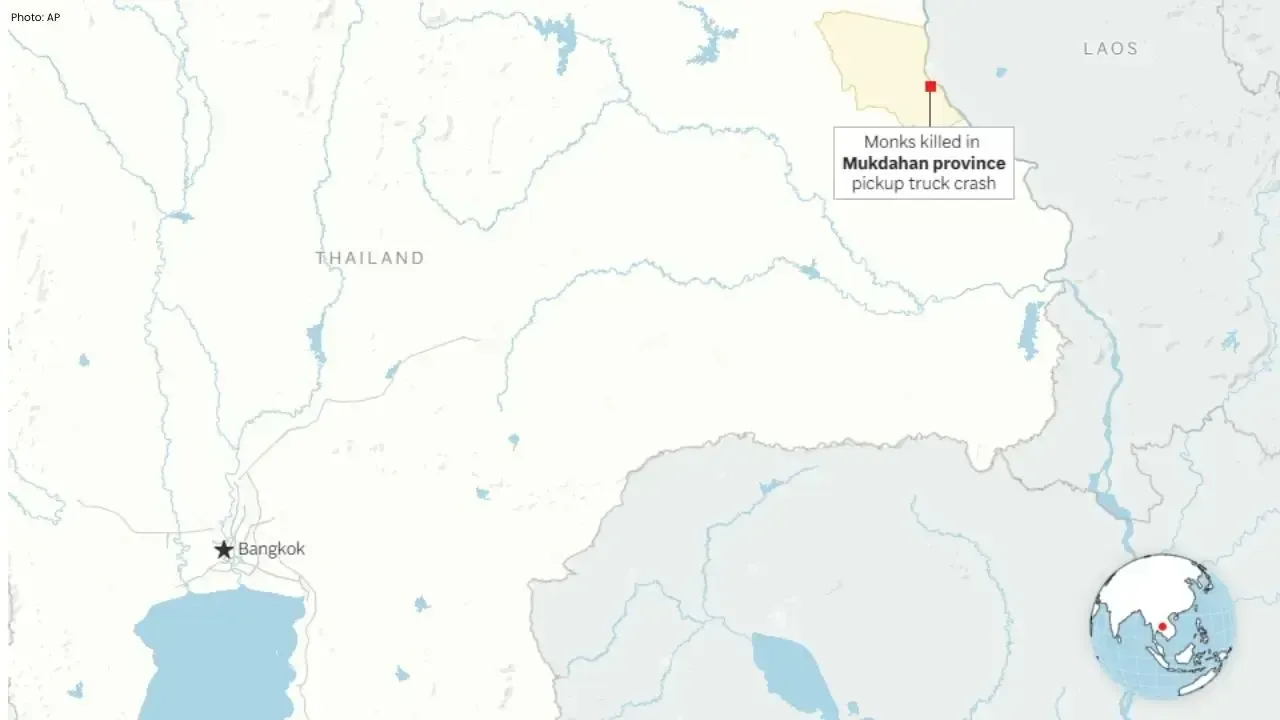
Nine Monks Killed in Thailand Pickup Truck Tragedy
An 11-year-old boy driving a pickup truck crashed into monks during a pilgrimage in northeastern Tha