
You have not yet added any article to your bookmarks!
Join 10k+ people to get notified about new posts, news and tips.
Do not worry we don't spam!
Post by : Saif Rahman
In the context of escalating tensions in the Middle East, South Korea is contemplating a deeper involvement in international initiatives aimed at securing shipping lanes in the Strait of Hormuz. This consideration follows extensive defense dialogues between South Korean and U.S. representatives in Washington.
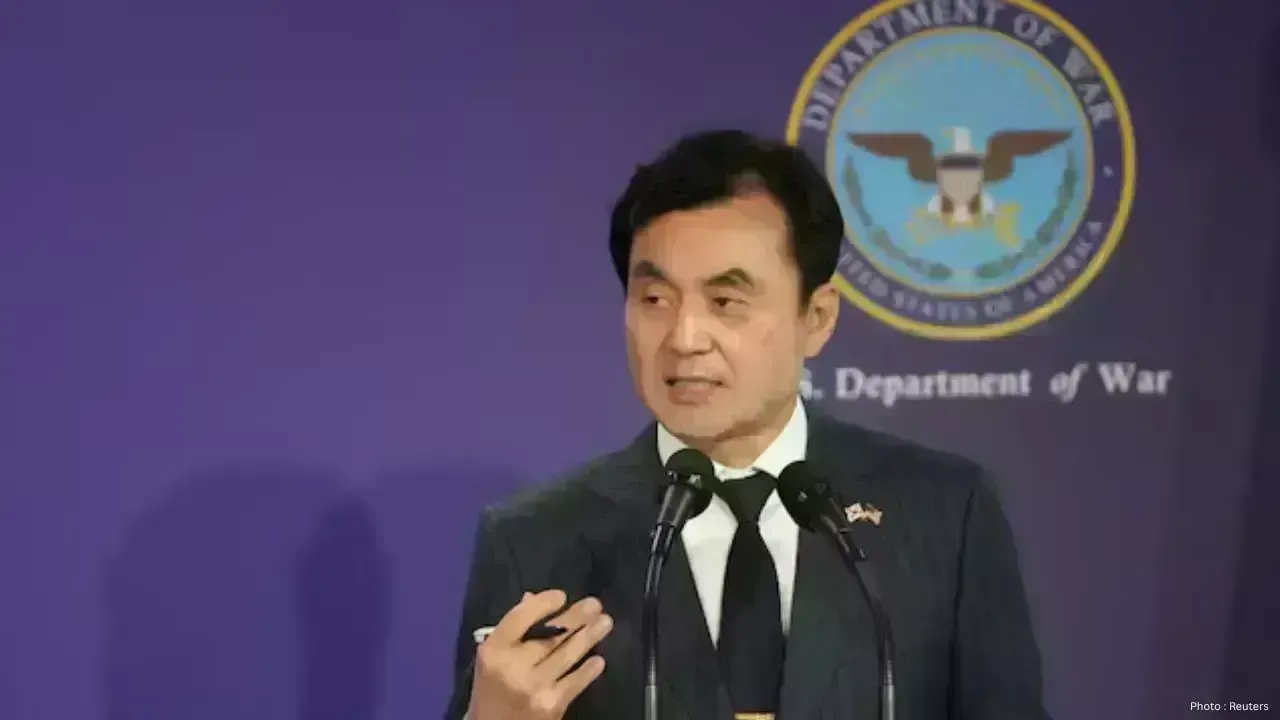
South Korean Defense Minister Ahn Gyu-back indicated that Seoul is evaluating various options for contributing to international security missions in the Strait of Hormuz through a phased method. He clarified, however, that no definitive commitment has been made regarding direct military engagement.
The Strait of Hormuz serves as a crucial conduit for global oil and gas supplies, with disruptions potentially triggering significant repercussions for fuel prices and international trade.
The urgency of the situation heightened after a South Korean vessel was reportedly assaulted near the Strait last week. In response, South Korean authorities strongly denounced the attack and initiated an investigation to identify those responsible. This incident has amplified calls for Seoul to take a more proactive stance against the increasing security threats in the area.
Reports indicate that South Korea might first extend support through political coordination, intelligence sharing, personnel aid, and possibly military resources. Officials emphasized that any escalated military involvement would necessitate legal clearance and thorough internal evaluation.
The U.S. has been pressing allies to collaborate in maintaining safe global shipping routes, particularly as Middle Eastern tensions continue to mount. During discussions with U.S. Defense Secretary Pete Hegseth, South Korean officials reaffirmed this urgency.
With a substantial portion of its energy imports sourced from the Middle East, South Korea views the situation as critical. Disruptions in oil shipments through the Strait of Hormuz could have a direct impact on the nation’s economy, fuel prices, and overall energy independence.
At the same time, Seoul is taking a cautious approach toward deeper military involvement outside the Korean Peninsula, aiming to balance its U.S. alliance with domestic political sentiments and regional security concerns.
This development highlights the interconnectedness of global conflicts, with Middle Eastern tensions resonating across Asia, Europe, and additional regions due to the reliance of modern economies on stable trade pathways and energy supplies.
The ongoing talks signify the rising international anxiety surrounding Gulf region security, prompting multiple nations to explore measures for safeguarding shipping operations and averting wider disruptions to global markets.
While South Korea has not yet declared its intent for direct military participation, the potential for phased involvement underscores the gravity with which governments are addressing the current challenges around the Strait of Hormuz.
#world news #Global News #World Update #Global Updates #Political










PM Modi Pays Tribute to Mahatma Gandhi, Urges People to Support Khadi
PM Modi pays tribute to Mahatma Gandhi on Gandhi Jayanti and urges citizens to support Khadi and the

Amazon Seeks to Offload $8 Billion in Nvidia Chips to Investors
Amazon plans to move $8 billion in Nvidia chips to investors, using a new financing model to strengt

Samsung Raises Galaxy S26 Prices as Memory Chip Costs Rise
Samsung raises Galaxy S26 prices in South Korea as rising memory chip costs put pressure on smartpho

Lewis Hamilton Calls Singapore Grand Prix One of F1's Toughest Races
Lewis Hamilton discusses the demanding Singapore Grand Prix and brings Plus44 and Almave to Singapor

Denmark's Pandora Opens World's Largest Jewellery Factory in Vietnam
Pandora opens its largest jewellery factory in Vietnam, expanding global production, strengthening s

Gautam Gambhir Questions Batting-Friendly Pitches After India's Record ODI Chase
Gautam Gambhir questions batting-friendly ODI pitches after India’s record chase, calling for a bett

