You have not yet added any article to your bookmarks!
Join 10k+ people to get notified about new posts, news and tips.
Do not worry we don't spam!
Post by : Anis Farhan
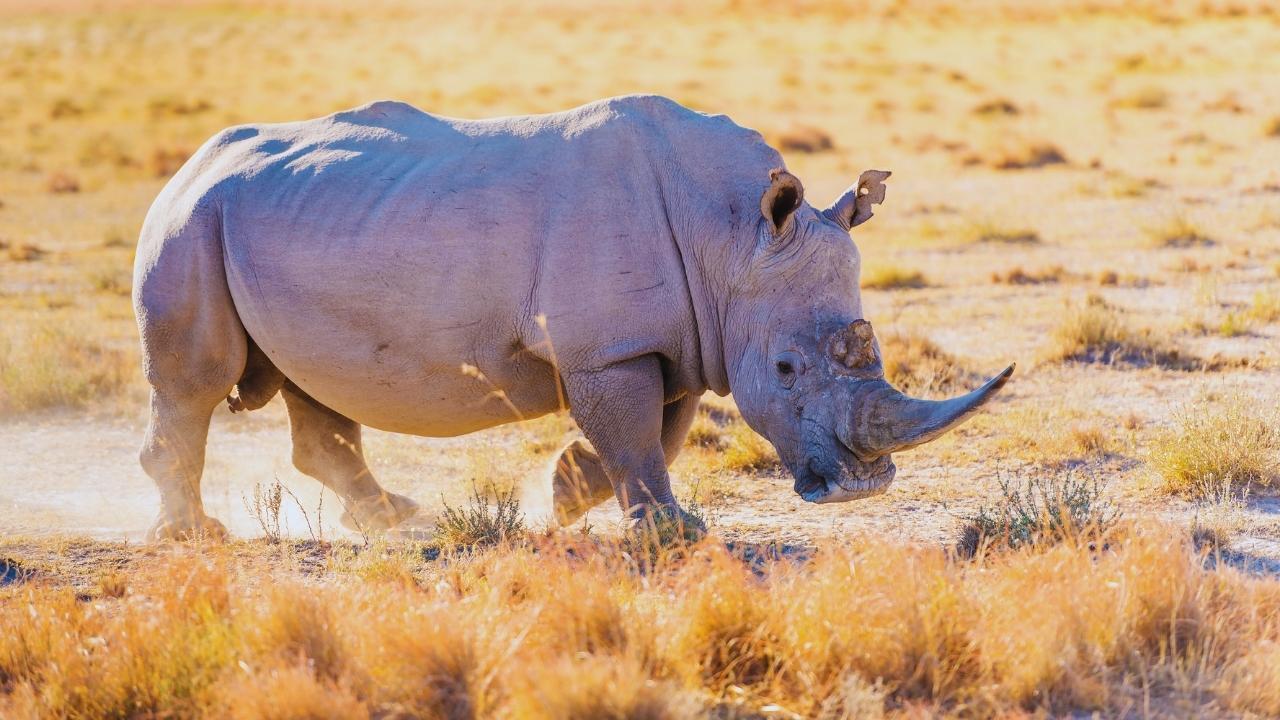
World Rhino Day serves as a poignant reminder of the delicate balance between conservation successes and the persistent threats faced by rhino populations. In South Africa, home to a significant portion of the world's remaining rhinos, this day highlights both the achievements and the hurdles in safeguarding these majestic creatures.
South Africa is home to approximately 16,000 to 18,000 rhinos, encompassing both black and white species. The country hosts nearly half of the global black rhino population and 12,000 to 13,000 of the world's remaining white rhinos. These figures underscore South Africa's pivotal role in global rhino conservation efforts.
Recent statistics indicate a positive trend in reducing rhino poaching. In 2024, South Africa recorded 420 rhino killings, a 16% decrease from the previous year. This decline is attributed to enhanced anti-poaching measures, including dehorning programs and increased surveillance efforts.
However, the first quarter of 2025 witnessed over 100 rhino killings, with 65 occurring in national parks. This alarming toll, averaging more than one rhino per day, highlights the persistent threat posed by poaching activities.
Despite ongoing challenges, various conservation initiatives have yielded positive outcomes. The Dinokeng Game Reserve, for instance, employs advanced anti-poaching strategies such as drones, AI surveillance, and K-9 units to protect its rhino population.
Additionally, the Peace Parks Foundation has successfully reintroduced nearly 50 rhinos to Mozambique's Zinave National Park, resulting in the birth of eight calves.
While progress is evident, experts caution that the fight against rhino poaching is far from over. The persistence of criminal syndicates and the high demand for rhino horn necessitate continued vigilance and innovation in conservation strategies.
Engaging local communities in conservation efforts is crucial for the long-term success of rhino protection initiatives. Educational programs, community-based monitoring, and sustainable livelihood projects can empower local populations to actively participate in safeguarding rhino habitats and combating poaching activities.
Rhino conservation is a global endeavor that requires international cooperation and support. Collaborative efforts among governments, non-governmental organizations, and international bodies are essential in sharing knowledge, resources, and strategies to combat rhino poaching and habitat loss.
Advancements in technology play a pivotal role in modern conservation efforts. The use of drones, satellite imagery, and AI-powered surveillance systems enhances monitoring capabilities, enabling rapid response to poaching incidents and better protection of rhino populations.
Robust legal frameworks and stringent enforcement are vital in deterring rhino poaching and trafficking. Strengthening wildlife protection laws, increasing penalties for poaching-related offenses, and enhancing border security can disrupt illegal trade networks and reduce rhino mortality rates.
Rhinos contribute significantly to local economies through eco-tourism and related industries. Protecting rhino populations not only preserves biodiversity but also supports sustainable economic development in regions where rhinos are a major attraction for tourists.
Maintaining genetic diversity within rhino populations is crucial for their long-term survival. Conservation programs that focus on translocation, breeding, and habitat restoration help ensure healthy, viable populations capable of adapting to environmental changes.
Habitat loss and fragmentation pose significant threats to rhino populations. Conservation efforts must prioritize habitat preservation, restoration, and connectivity to provide rhinos with safe and sustainable environments.
Ongoing research and monitoring are essential in understanding rhino behavior, health, and population dynamics. Scientific studies inform conservation strategies and help assess the effectiveness of implemented measures.
Raising public awareness about the plight of rhinos and the importance of conservation can garner support and drive action. Advocacy campaigns, educational initiatives, and media coverage play pivotal roles in mobilizing communities and influencing policy decisions.
The future of rhino conservation hinges on continued commitment, innovation, and collaboration. By addressing challenges, leveraging technology, and fostering global partnerships, there is hope for securing a future where rhinos thrive in their natural habitats.
As South Africa observes World Rhino Day, it reflects on both the progress made and the challenges that remain in rhino conservation. While strides have been taken to reduce poaching and enhance protection efforts, the battle is ongoing. Collective action, sustained commitment, and international cooperation are imperative to ensure the survival of rhinos for generations to come.
This article is for informational purposes only and reflects the state of rhino conservation as of September 22, 2025. Conservation efforts are dynamic and subject to change based on various factors.










George Russell Wins Dutch GP Sprint, Boosts Mercedes Morale
George Russell wins the Dutch GP Sprint from pole as Mercedes teammate Kimi Antonelli extends his F1

Australia 50/3 After Bangladesh Bowled Out for 64 in Second Test
Australia reached 50/3 after Bangladesh were bowled out for 64 in the second Test, with Mitchell Sta

Jordan Burroughs Returns to Wrestling with 2028 Olympic Dream
Jordan Burroughs returns to wrestling with Real American Freestyle as the Olympic champion eyes a po

Lamborghini Catches Fire on Singapore's ECP, Causing Heavy Traffic
A Lamborghini caught fire on Singapore's ECP, causing heavy traffic and bus delays. No injuries were

Bangkok Airport Duty-Free Area Flooded by Pipe Burst
A burst water pipe flooded the duty-free shopping area at Bangkok's Suvarnabhumi Airport on July 16,

Nine Monks Killed in Thailand Pickup Truck Tragedy
An 11-year-old boy driving a pickup truck crashed into monks during a pilgrimage in northeastern Tha