You have not yet added any article to your bookmarks!
Join 10k+ people to get notified about new posts, news and tips.
Do not worry we don't spam!
Post by : Anis Farhan
Sleep has long been a vital yet overlooked pillar of health. In today’s fast-paced world, work pressure, screen exposure, and lifestyle choices have created a global sleep deficit. Experts estimate that nearly one-third of adults fail to get the recommended 7–9 hours per night, leading to fatigue, decreased cognitive function, and long-term health risks like heart disease, obesity, and diabetes.
As sleep deprivation becomes an epidemic, technology has stepped in with a range of solutions designed to monitor, optimize, and even enhance rest. Sleep optimization devices now promise to not just track sleep but actively improve its quality—offering a potential revolution in personal health management.
Sleep optimization devices can be broadly categorized into wearables, bed-integrated technologies, and environmental sensors.
Wearables include smartwatches, fitness bands, and specialized sleep trackers that monitor heart rate, breathing patterns, and movement throughout the night. They provide users with detailed sleep reports, often highlighting periods of deep, light, and REM sleep. Many devices also offer gentle alarms that wake users during lighter sleep phases, theoretically reducing grogginess.
Smart mattresses integrate sensors and adaptive technologies to monitor sleep posture, body temperature, and pressure points. Some models adjust firmness or temperature in real-time to optimize comfort and reduce disturbances. These mattresses claim to enhance REM sleep duration and decrease tossing and turning, promising a restorative night without conscious effort.
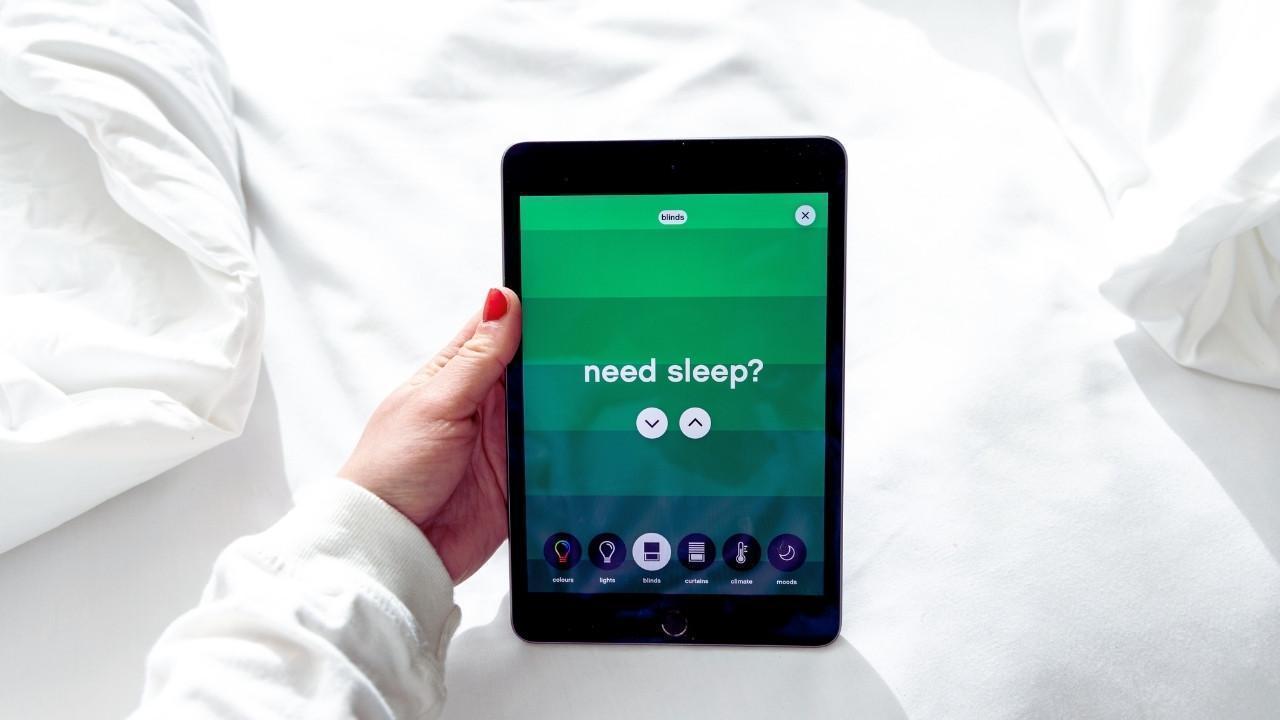
Environmental sensors track bedroom conditions, including ambient light, temperature, humidity, and noise. They work alongside apps or smart home systems to create a sleep-friendly environment, sometimes automating curtains, lighting, and white-noise generators based on real-time data.
Understanding whether sleep optimization devices work requires examining the science of sleep. Sleep occurs in cycles—light, deep, and REM stages—each playing a distinct role in physical restoration, cognitive function, and emotional processing.
Wearables and smart devices rely on actigraphy, which uses motion detection to infer sleep stages. Some advanced trackers include photoplethysmography (PPG) to monitor heart rate variability, which correlates with sleep quality. Bed-integrated sensors may also measure respiration rate and micro-movements to detect restless periods.
However, experts caution that while these metrics provide valuable insights, they are not perfect substitutes for polysomnography, the gold-standard sleep study conducted in clinical settings. Factors like mattress firmness preference, personal comfort, and stress levels cannot always be quantified by sensors alone.
Despite limitations, sleep tech offers multiple benefits:
Awareness and Accountability: By tracking sleep patterns, users gain concrete insights into their habits, often prompting healthier bedtime routines.
Behavioral Feedback: Many devices provide actionable recommendations—suggesting earlier bedtimes, reduced screen exposure, or temperature adjustments.
Chronic Condition Monitoring: Sleep trackers can detect irregularities in breathing, heart rate, or movement, potentially flagging sleep apnea or restless leg syndrome for medical attention.
Enhanced Sleep Environment: Automated lighting, temperature control, and noise masking can reduce disturbances and help maintain circadian rhythm.
Optimized Wake-Up: Smart alarms timed to lighter sleep phases aim to minimize morning grogginess and improve daily productivity.
Users report improved sleep satisfaction, reduced wake-ups, and greater awareness of habits, making sleep optimization devices a useful adjunct for lifestyle improvement.
While promising, these devices are not foolproof.
Accuracy Concerns: Actigraphy-based trackers can misinterpret periods of stillness while awake as sleep, or active movements during light sleep as waking, leading to inconsistent data. Even advanced heart rate monitoring cannot fully capture the nuanced architecture of sleep.
Over-Reliance Risk: Constant tracking can create anxiety around sleep, ironically worsening insomnia in some users. Known as “orthosomnia,” this condition reflects the paradox where people sleep less because they are preoccupied with tracking their sleep metrics.
Cost and Accessibility: High-end smart mattresses and integrated bedroom systems can cost thousands of dollars, limiting adoption for many households. While wearables are more affordable, they still require technical literacy and smartphone integration.
Data Privacy: Sleep trackers collect sensitive health information, raising questions about data storage, security, and potential misuse by third parties. Users must weigh convenience against privacy risks.
Artificial intelligence has amplified the capabilities of sleep optimization devices. Machine learning algorithms analyze patterns over weeks or months, generating predictive insights and personalized recommendations.
For example, AI can correlate sleep quality with lifestyle factors such as exercise, diet, and screen time, suggesting modifications to improve rest. Some apps use AI to create custom white-noise patterns or meditation sequences aimed at reducing stress and enhancing deep sleep.
The integration of AI also facilitates long-term monitoring, allowing healthcare providers to identify subtle trends or irregularities that might otherwise go unnoticed. This approach holds promise for patients with chronic sleep disorders, enabling remote, data-driven interventions.
As of 2025, the global sleep tech market is projected to surpass $80 billion, fueled by increasing awareness of sleep health and rising disposable incomes. Millennials and Gen Z are particularly drawn to wearable trackers, while older adults show growing interest in smart mattresses and sleep environment systems.
Eco-conscious consumers are also influencing product design, with demand rising for non-toxic materials, sustainable production, and energy-efficient devices. Brands that combine technological innovation with wellness and environmental responsibility are gaining a competitive edge.
Corporate wellness programs have embraced sleep tech as well, providing employees with trackers or access to sleep optimization apps. Companies recognize that better-rested employees show higher productivity, lower absenteeism, and improved mental health.
Sleep specialists agree that devices are tools, not replacements for healthy habits. Core recommendations include:
Maintaining consistent sleep schedules
Limiting caffeine and alcohol before bedtime
Reducing exposure to blue light from screens
Creating a dark, quiet, and cool sleep environment
Devices can complement these habits by providing data and environmental optimization, but they cannot substitute for lifestyle discipline or clinical treatment when necessary.
Emerging technologies promise even more sophisticated interventions:
Neurofeedback Sleep Devices: Monitoring brain waves in real-time to enhance deep sleep stages.
Adaptive Bedding Systems: Beds that dynamically adjust temperature, firmness, and support based on nightly sleep data.
AI-Powered Sleep Coaching: Personalized programs that integrate diet, exercise, stress management, and environmental adjustments.
Non-Invasive Sleep Therapy: Light and sound therapies designed to synchronize circadian rhythms and reduce insomnia symptoms.
These innovations suggest that sleep tech will become increasingly holistic, combining biometrics, AI, and environmental control to maximize restorative rest.
Sleep optimization devices represent a major advancement in personal health technology. They raise awareness, provide actionable insights, and create environments conducive to better rest. However, they are not magical solutions. True sleep improvement still depends on lifestyle, stress management, and, where necessary, medical intervention.
For those willing to integrate technology thoughtfully, sleep devices can enhance rest, reduce fatigue, and improve overall well-being. The future lies in a balance between tech-driven insights and conscious lifestyle choices, ensuring that our nights are as productive as our days.
This article is for informational purposes only. It summarizes the capabilities, trends, and scientific basis of sleep optimization devices. Readers should consult healthcare professionals for personalized advice on sleep disorders or medical conditions.










George Russell Wins Dutch GP Sprint, Boosts Mercedes Morale
George Russell wins the Dutch GP Sprint from pole as Mercedes teammate Kimi Antonelli extends his F1

Australia 50/3 After Bangladesh Bowled Out for 64 in Second Test
Australia reached 50/3 after Bangladesh were bowled out for 64 in the second Test, with Mitchell Sta

Jordan Burroughs Returns to Wrestling with 2028 Olympic Dream
Jordan Burroughs returns to wrestling with Real American Freestyle as the Olympic champion eyes a po

Lamborghini Catches Fire on Singapore's ECP, Causing Heavy Traffic
A Lamborghini caught fire on Singapore's ECP, causing heavy traffic and bus delays. No injuries were

Bangkok Airport Duty-Free Area Flooded by Pipe Burst
A burst water pipe flooded the duty-free shopping area at Bangkok's Suvarnabhumi Airport on July 16,

Nine Monks Killed in Thailand Pickup Truck Tragedy
An 11-year-old boy driving a pickup truck crashed into monks during a pilgrimage in northeastern Tha