You have not yet added any article to your bookmarks!
Join 10k+ people to get notified about new posts, news and tips.
Do not worry we don't spam!
Post by : Anis Farhan
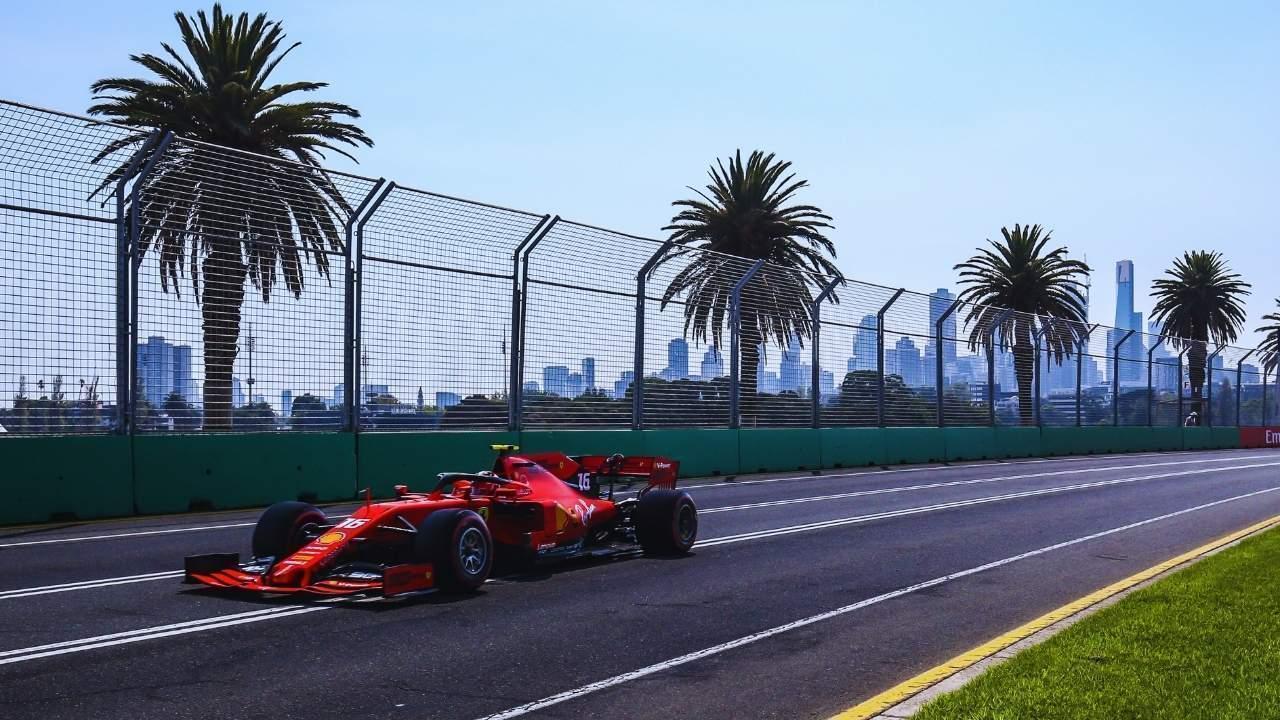
Formula 1 is synonymous with speed, precision, and adrenaline. Drivers push the limits of human capability, navigating circuits at speeds exceeding 200 miles per hour. Yet, the sport’s inherent dangers have historically resulted in serious injuries and fatalities. Over the decades, F1 has made monumental strides in safety, combining engineering, medical research, and regulatory innovation to protect its athletes.
From cockpit protection to circuit layouts, the sport has continuously adapted. Innovations such as the Halo cockpit protection system, advanced crash barriers, and improved track designs have dramatically reduced risks, saving lives without compromising the thrill of racing.
Safety in F1 has progressed through several stages:
Early Years (1950s–1970s): Minimal safety equipment; fatalities were unfortunately common. Cars lacked seat belts, roll cages, or fire-resistant suits.
Introduction of Crash Helmets & Fire Suits (1970s–1980s): Protective gear became mandatory, dramatically reducing the severity of injuries.
Monocoque Chassis Design (1980s): Cars adopted a single-shell structure, distributing crash forces more effectively and enhancing driver survival.
Medical & Regulatory Oversight (1990s): The FIA implemented rigorous safety protocols, including on-site medical teams and standardized crash testing.
Today, these incremental changes form the backbone of a sophisticated safety ecosystem that is continuously refined with emerging technologies.
Perhaps the most visible and debated safety innovation of recent years is the Halo device.
Purpose: Protects drivers’ heads from debris, flying tires, and collision impacts.
Design: A titanium ring mounted over the cockpit, capable of withstanding several tons of force.
Impact: Since its introduction in 2018, the Halo has saved multiple drivers from potentially fatal accidents, including high-profile incidents at circuits like Spa-Francorchamps and Monaco.
Controversy: Initially criticized for aesthetics, drivers quickly acknowledged its life-saving potential.
The Halo represents the intersection of safety and engineering ingenuity, proving that protective measures can coexist with high-performance racing.
Modern F1 cars incorporate multiple structural features to absorb and dissipate energy during crashes:
Front and Rear Crash Structures: Designed to crumple progressively, reducing the force transmitted to the driver.
Side Impact Protection: Strengthened sidepods and carbon-fiber panels shield drivers from lateral collisions.
Wheel Tethers: Steel cables keep wheels attached during accidents, preventing dangerous projectiles on the track.
These components, combined with lightweight materials like carbon fiber composites, optimize protection without sacrificing speed.
Safety is not limited to the car; track design plays a crucial role:
Run-off Areas: Extended gravel traps, asphalt run-offs, and energy-absorbing barriers give drivers room to recover from errors.
TecPro Barriers: These modular barriers dissipate impact forces more effectively than traditional tire walls.
Track Layout Adjustments: High-risk corners have been redesigned to reduce collision likelihood, while safer escape routes are incorporated for every circuit.
Marshaling and Signaling: Improved communication systems and strategically placed marshals ensure rapid response to accidents.
By integrating vehicle and track safety, F1 has created a safer environment for both drivers and spectators.
F1 has also revolutionized medical response:
On-Site Medical Centers: Every circuit is equipped with state-of-the-art medical facilities and helicopters ready for immediate evacuation.
Driver Monitoring: Sensors track heart rate, G-forces, and other vital signs, allowing for early detection of potential health risks.
Rapid Response Protocols: Teams follow strict FIA protocols for injury assessment and extraction from wrecked vehicles.
These medical advances ensure that even in the event of severe accidents, drivers receive world-class care within minutes.
Technology and data analysis are central to F1 safety improvements:
Crash Simulations: Computational models simulate collisions to test new car structures and barrier designs.
Telemetry Analysis: Real-time data from cars during races and testing helps engineers identify weak points and optimize safety features.
Virtual Reality Training: Drivers and marshals use VR to practice emergency scenarios and evacuation protocols.
By leveraging data and simulations, F1 continuously iterates on both car and track safety without relying solely on trial-and-error.
Enhanced safety measures also contribute to performance:
Psychological Assurance: Knowing that Halo devices, tethers, and energy-absorbing structures are in place allows drivers to push limits with reduced fear.
Consistency in Training: Safer environments promote more effective practice sessions and skill development.
Longer Careers: Improved safety reduces career-threatening injuries, allowing drivers to compete at high levels for more years.
Safety innovations thus not only protect lives but also elevate the sport’s overall competitiveness and appeal.
While F1 safety has improved dramatically, challenges remain:
High-Speed Crashes: Extreme velocity incidents still pose significant risk, necessitating continuous innovation.
Cost Constraints: Advanced safety technologies are expensive, requiring balance with team budgets and regulations.
Integration with Performance: Engineers must ensure safety features do not compromise aerodynamics or speed excessively.
Future directions include AI-assisted crash prediction, adaptive barrier systems, and further lightweight yet ultra-strong materials for vehicle construction.
F1 is no longer just a sport of speed and skill; it is a laboratory of innovation where driver safety is paramount. From the life-saving Halo device to advanced track design, crash structures, and medical innovations, F1 demonstrates that engineering and human ingenuity can coexist with high-octane racing.
As the sport continues to evolve, safety will remain a cornerstone, allowing drivers to push boundaries with confidence while minimizing risk. Formula 1 proves that the pursuit of speed and the preservation of life are not mutually exclusive but are best achieved together.
This article is intended for informational purposes, highlighting safety innovations in Formula 1. It does not represent the editorial stance of Newsible Asia.








George Russell Wins Dutch GP Sprint, Boosts Mercedes Morale
George Russell wins the Dutch GP Sprint from pole as Mercedes teammate Kimi Antonelli extends his F1

Australia 50/3 After Bangladesh Bowled Out for 64 in Second Test
Australia reached 50/3 after Bangladesh were bowled out for 64 in the second Test, with Mitchell Sta

Jordan Burroughs Returns to Wrestling with 2028 Olympic Dream
Jordan Burroughs returns to wrestling with Real American Freestyle as the Olympic champion eyes a po
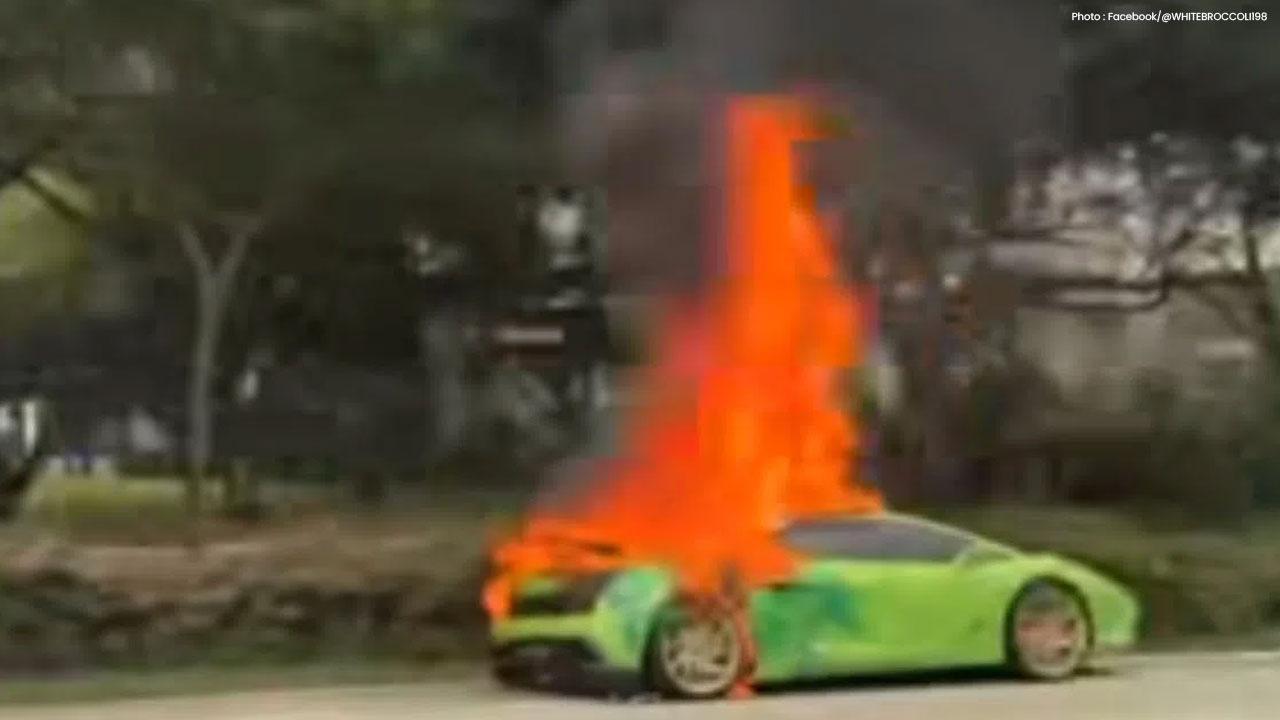
Lamborghini Catches Fire on Singapore's ECP, Causing Heavy Traffic
A Lamborghini caught fire on Singapore's ECP, causing heavy traffic and bus delays. No injuries were

Bangkok Airport Duty-Free Area Flooded by Pipe Burst
A burst water pipe flooded the duty-free shopping area at Bangkok's Suvarnabhumi Airport on July 16,

Nine Monks Killed in Thailand Pickup Truck Tragedy
An 11-year-old boy driving a pickup truck crashed into monks during a pilgrimage in northeastern Tha